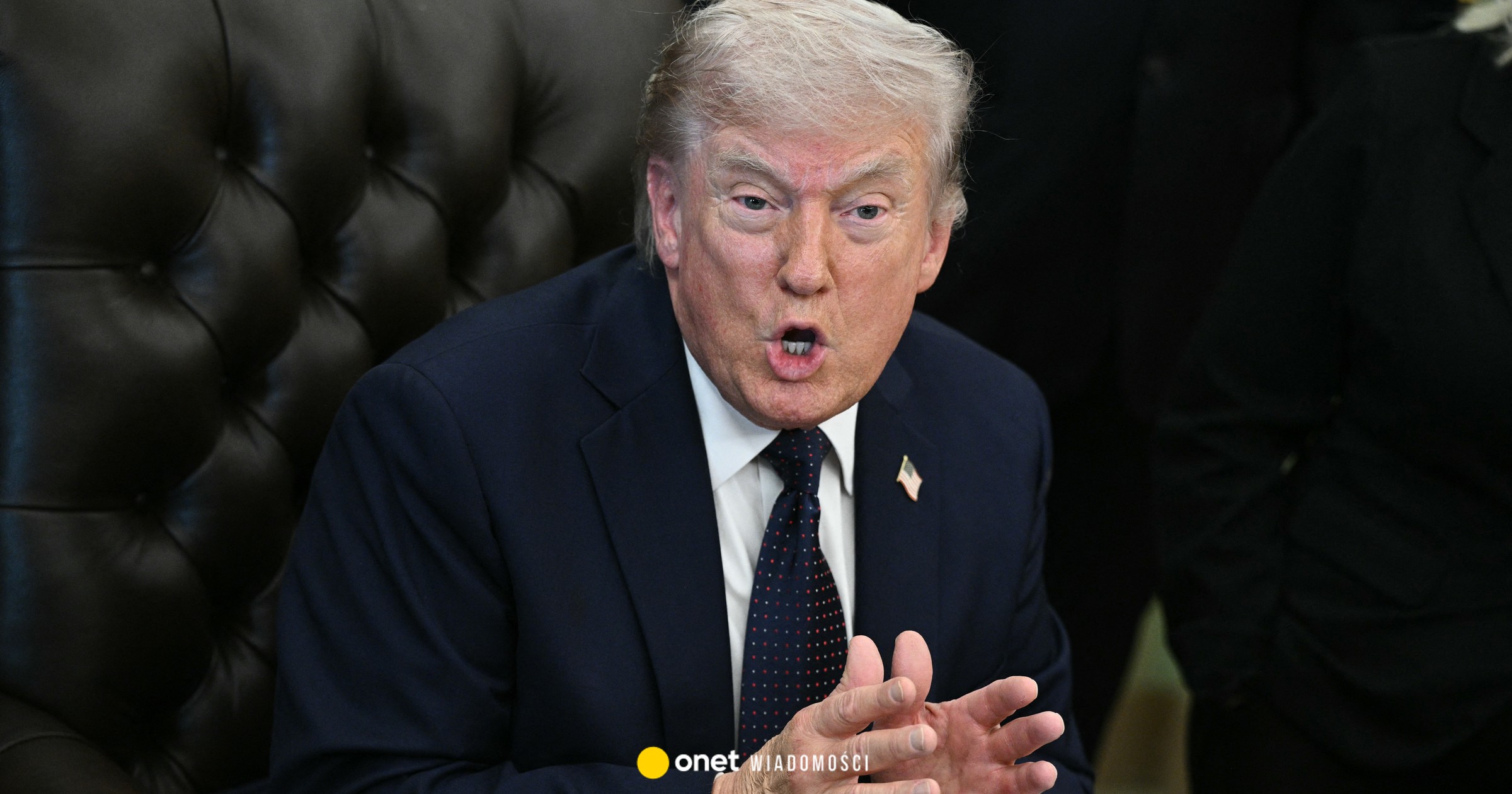
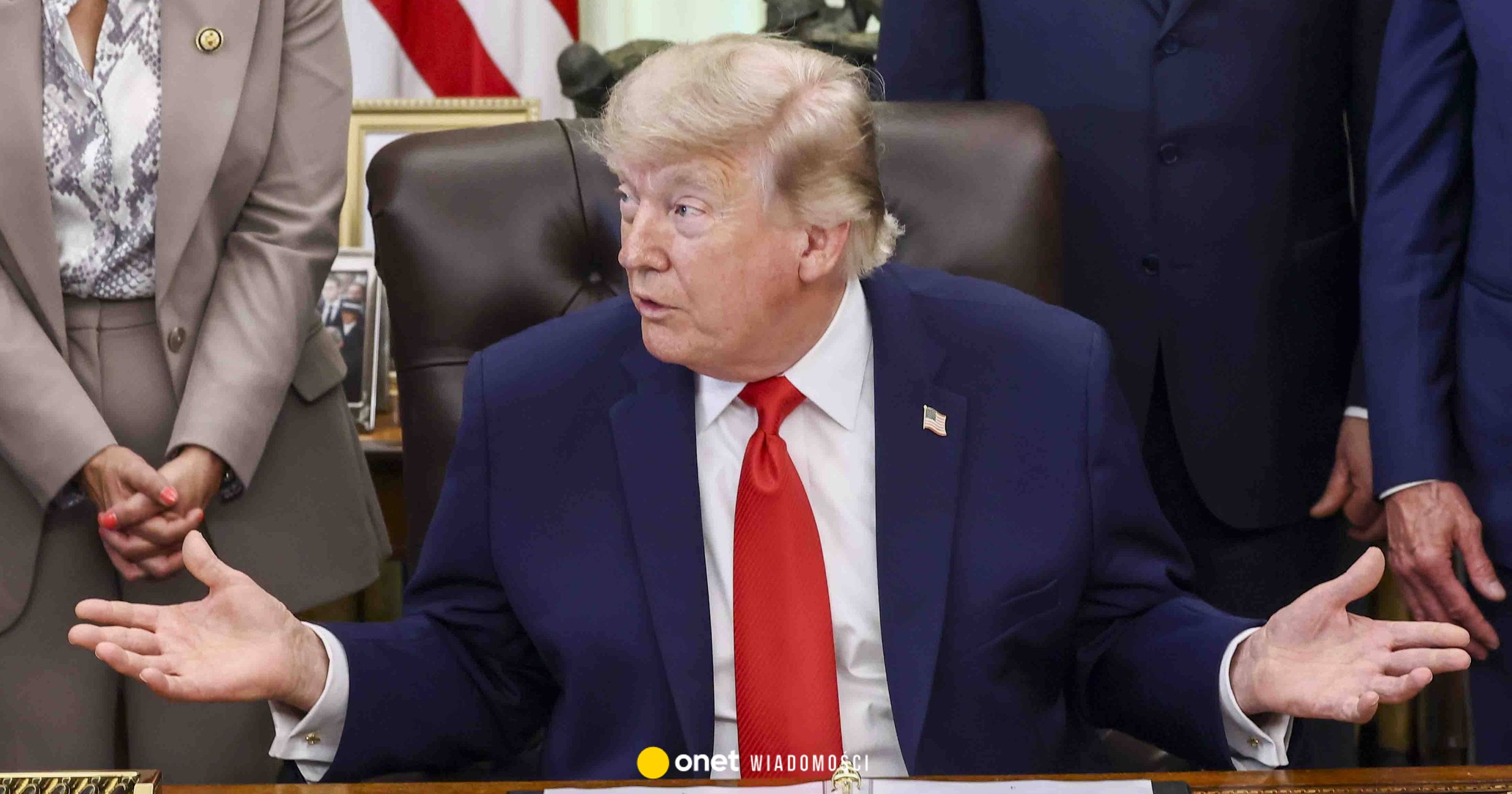
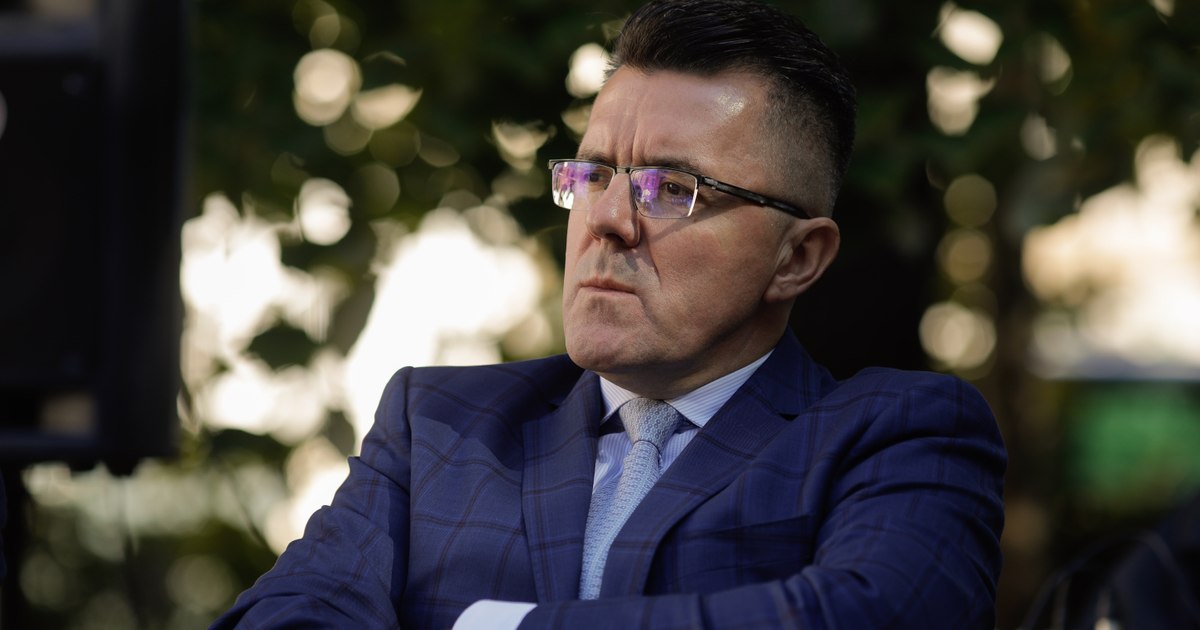
This is not the first time during the war with Iran that Friedrich Merz sharply criticized Donald Trump. “The Americans clearly have no strategy,” the German chancellor said Monday before students in Marsberg, North Rhine-Westphalia. In his opinion, the United States is “humiliated by the Iranian authoritiesespecially by the so-called Islamic Revolutionary Guard Corps.
Merz publicly puts his domestic policy ahead of his relationship with the US president. However, unlike British Prime Minister Keir Starmer and his Spanish counterpart Pedro Sanchez, he got away with the German Chancellor's comments.
However, there is more behind Washington's tough stance towards its own NATO allies than just irritation over a different stance on the war with Iran.
The White House, and especially the Pentagon, are paying attention to the long-term readiness of European NATO allies increasing national defense budgets. And in this respect, both the British and the Spanish are falling short of expectations — unlike Germany, which the Trump administration has hailed as its model student.
— Germany is probably the ally with which we cooperate most closely. In a sense, Germany has crossed the Rubicon, a senior representative of the US Department of Defense tells Die Welt. — If we want to reduce dependence on the United States and at the same time strengthen the transatlantic alliance, you have to do what the Germans do – he adds.
The task now is to fill possible gaps in military capabilities “in the most cooperative and constructive way possible.”
German leader
Last week, Berlin specially sent Secretary of State Geza von Geyr to Washington to present a “general military defense concept” to the US State Department and the Pentagon. Just a day earlier, Defense Minister Boris Pistorius presented at the Bendlerblock the first military strategy in the history of the Federal Republic. This week, Inspector General Carsten Breuer heads to Washington for interviews.
Elbridge Colby, as undersecretary for policy and top civilian adviser to Secretary of Defense Pete Hegseth, praised the German strategy document. “Germany is taking the lead. After years of disarmament, Berlin is significantly increasing its efforts,” Colby wrote on X.
German military strategy means clear and credible course towards “NATO 3.0”. By this last concept, Colby, who largely developed the current US National Defense Strategy, means a new chapter for the alliance.
In mid-February, Colby stated during a NATO meeting in Brussels that “from now on, Europe must take priority responsibility for its conventional defense.” The United States, on the other hand, will prioritize “those areas and challenges” in which “only American power can play a decisive role.” This is strategic pragmatism and “makes us all stronger and safer.”
The US is increasing the pressure
There is a pattern behind the Germans' explicit praise. The Pentagon has long been demanding greater efforts from its allies in the Indo-Pacific region, which means: more money for its own defense – with reference to the obligation of European NATO member states to allocate 5 percent. GDP for defense. The same pattern is now being repeated in Europe, where many Europeans believe The United States is trying to divide its allies.
At the EU summit in Cyprus last week, Berlin, Rome and other governments demonstratively sided with Spain.
Spain is for the American administration red clothsince during the summit in The Hague in the summer of 2025, Madrid did not want to agree to increase the contribution to 5%. As Prime Minister Sanchez denies the US armed forces the use of bases and overflight rights as part of the mission in Iran, Trump's entourage is considering, according to a Friday report by Reuters, suspension of membership in the defense alliance.
Britain is also to be punished for its lack of support from Trump's point of view. Washington is allegedly considering changing its position on British claims over the Falkland Islands, Reuters reported, citing internal emails. The Pentagon did not deny their authenticity. London reacted extremely sharply and immediately declared that sovereignty over the islands belonged to Great Britain.
How serious Trump's threats are remains to be seen. For example, the US president cannot independently exclude a NATO member because the NATO treaty does not provide a legal basis for this. A representative of the Pentagon confirms to the newspaper “Die Welt” that the pressure from the American administration is likely to increase.
— President Trump was very clear. Defense Secretary Hegseth also made himself clear. We have a serious problem. “So it's going to be important that within the administration we present options to the president and the secretary on how we can communicate this and explain it,” the source said. At the same time, Washington sees this as an opportunity to accelerate the transition to a stronger and more balanced NATO.