2026-04-28 18:41, updated 2026-04-28 19:07
publication
2026-04-28 18:41
update
2026-04-28 19:07
The conflict with Iran has entered the phase of a new Cold War, with no end in sight; The US will have to leave significant forces in the region for many months, and energy prices will not drop, Axios commented on Tuesday, citing sources in President Donald Trump's administration.
The portal's interlocutors fear that the United States has become a party to a “frozen conflict.” One source cited by Axios estimates that six months before the president's midterm congressional elections, “a frozen conflict is the worst thing for Trump – politically and economically.”
However, in the opinion of the portal This impasse could turn into a “hot war” at any moment” because both Iran and America are waiting for the enemy to back down or – despite the ceasefire – start shooting first.
Bomb or radical sanctions? The US administration is debating
For now, the president is hesitating whether to launch new attacks on Iran or to hope that the “maximum economic pressure” tactic, which would encourage Tehran to start talks on abandoning its nuclear program, will bring any results.
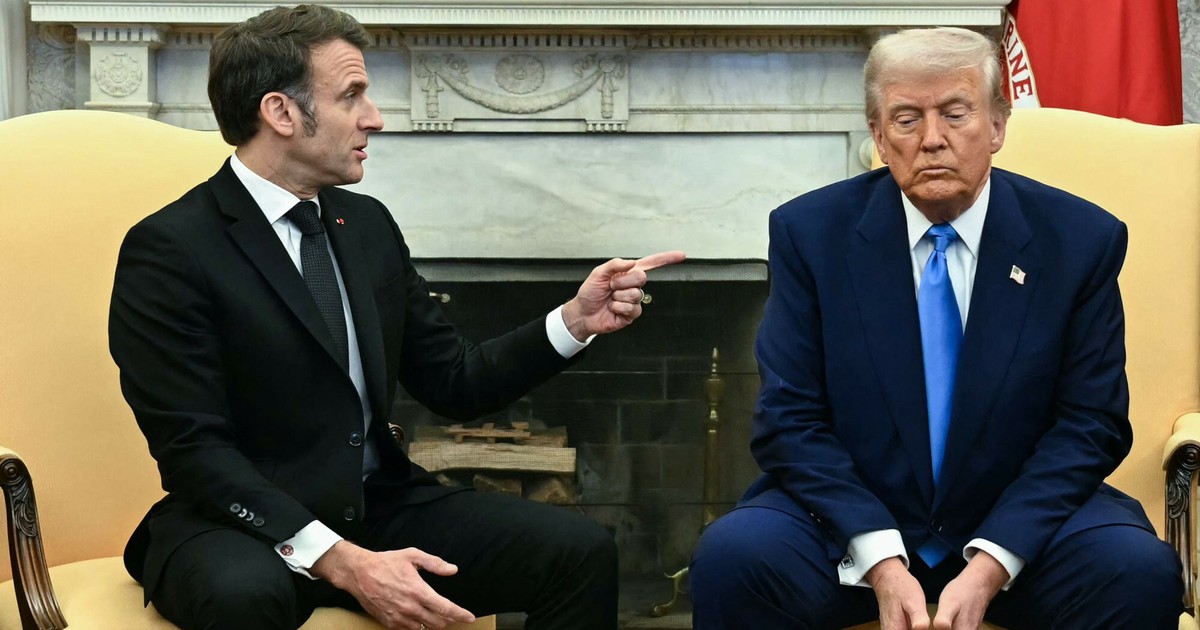
One of Trump's advisers told the website that the president believed that Iran 'only understands bombs'but he consults various people, including those outside his office, in search of a way out of the impasse.
Among the politicians the president is asking for advice is Republican Sen. Lindsey Graham, otherwise a close Trump ally.
Graham recommends further military operations to get out of the stalemate situation: “Mr. President, please stand your ground for the good of the nation and the world. It is the Iranian regime and its behavior that is the problem, not you,” the senator wrote on Monday on the X platform and called on Trump to reject Tehran's latest proposal for negotiations.
Advisors are divided, and Donald Trump is looking for a way out of the stalemate
Iran has presented the United States with a de-escalation plan that focuses on resolving the Strait of Hormuz crisis and the US naval blockade first. It would involve agreeing a long-term ceasefire or permanently ending the war, but the condition would be to suspend talks on Iran's nuclear program.
Other presidential advisers insist on increasing pressure on Tehran by tightening the sanctions regime so that Iran will be unable to export or store oil and, as a result, will be forced to close its oil wells, which would result in colossal losses.
However, Axios points out that some experts believe that even such pressure will not persuade Iran to make far-reaching concessions.
On Friday, the Al-Jazeera television website reported, citing oil market analysts and diplomats, that Iran is still making money on the export of the raw material, and it also has the political will to wait out these restrictions, so it can withstand them, while the patience of the US may run out.
The US and Israel attacked Iran on February 28, which responded by striking the Persian Gulf countries and virtually closing the Strait of Hormuz, and the US blocked Iranian ports shortly thereafter. The ceasefire in this conflict has been in force since April 8. (PAP)
fit/ mal/