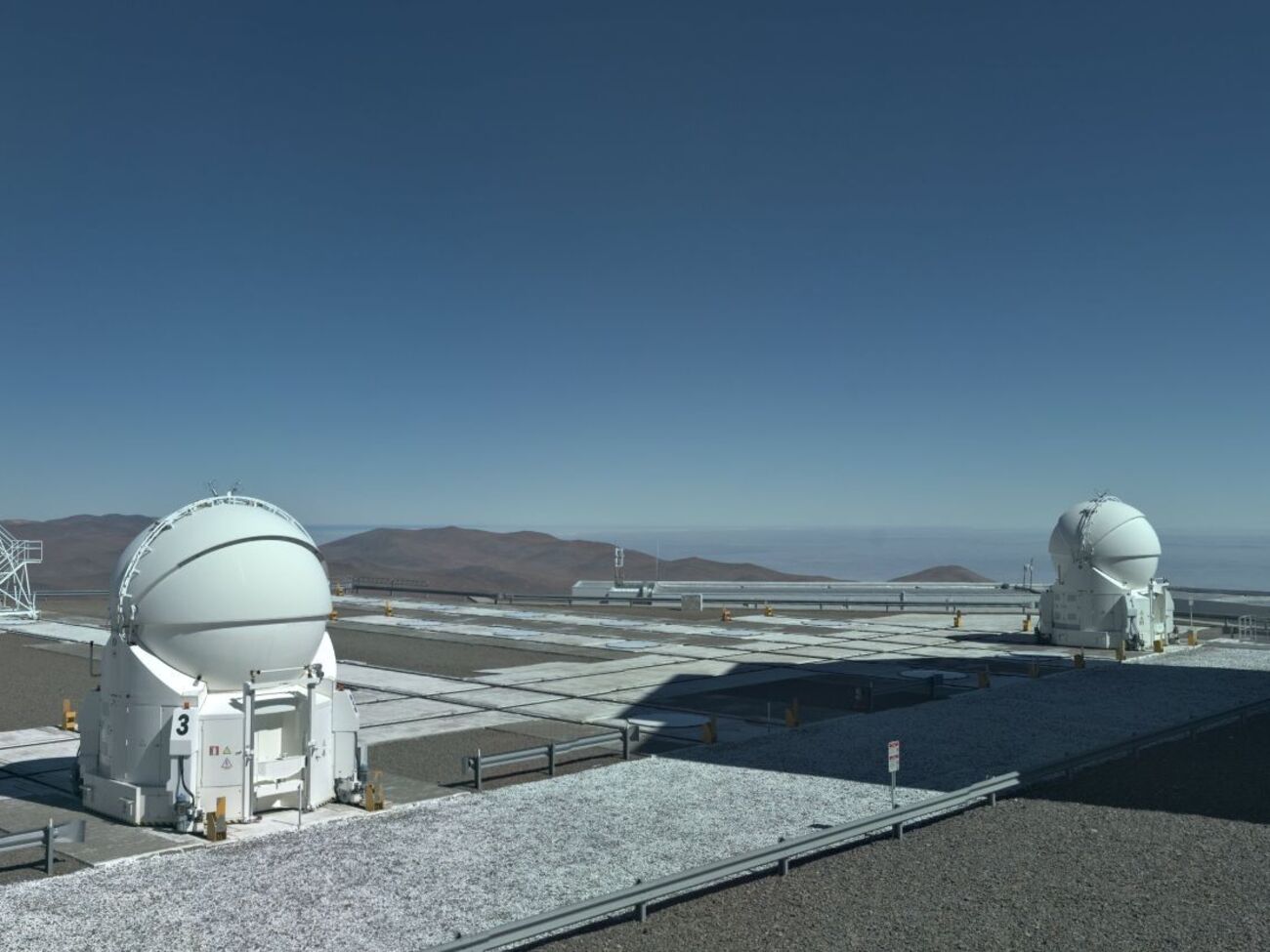
The unique dark skies of Chile's Atacama Desert, considered one of the best places in the world for astronomical observation, are under threat due to rising light pollution and industrial development in the region. The Associated Press wrote about this on April 26.
The Atacama is known for its dry climate, high altitude and more than 300 clear nights a year. Thanks to these conditions, about 30 major astronomical sites are located here, including the Paranal Observatory, which is operated by the European Space Agency. They also plan to build the most powerful optical telescope in history, costing $1.5 billion. Once launched in 2030, it should become the most powerful optical telescope in the world and help in the search for planets suitable for life.
However, experts fear that the development of the mining industry, the construction of wind farms and the expansion of infrastructure could destroy the conditions necessary for observing space. Even low levels of artificial light, dust, vibration and atmospheric changes can significantly reduce the effectiveness of telescopes.
Of particular concern was the project to build an energy complex just 10 km from the Paranal Observatory. After protests from scientists and Nobel laureates, the project was canceled, but experts say that Chile's current legislation does not sufficiently protect astronomical zones.
“If you put a very powerful telescope near a city, it doesn’t matter if it’s 40 meters in diameter, it will work like a small telescope,” said astronomer Itziar de Gregorio-Monsalvo.
Scientists recall that similar problems have led to the closure of scientific facilities in Chile in the past due to environmental pollution and industrial activity.