Eight months ago, our family of six packed up our life in New Jersey and moved to Chicago – my husband, our children (6 and 4), and our tiny, energetic Maltipoo dog, Ace, who experiences the world with so much joy.
In February, I was still getting to know the city. I was still learning its rhythm, the specific severity and beauty of a Chicago winter. February 18 was like a small miracle: one of those rare, sunny days when the air turns mild enough to remind us that spring will indeed come—finally.
I had a busy work day, meeting after meeting and the usual juggling of deadlines and picking up the kids from school. But one meeting ended early and suddenly I had a rare, unexpected moment of free time. Enough for a real walk, not the quick lap I usually did with Ace between calls. This walk, however, turned out to be far from the calming break I had expected.
Read also in BUSINESS INSIDER
My dog and I ventured a little further than usual – from my neighborhood of Bucktown to nearby Wicker Park. The sun warmed my face and the old and new houses created a beautiful contrast. I was listening to a voicemail from a friend, and I was going through the to-do list in my head, already calculating when I would have to come back to pick up my children from kindergarten and kindergarten. It was a small moment of respite in a very full life.
I was walking down a quiet residential street, surrounded by a nice mix of old and new houses and buildings with beautiful gardens and old trees. I was stopped by three people – two men and a woman, all in black suits, carrying clips and bundles of leaflets. They looked formal in that vague but convincing way.
“Hi,” one of them said brightly. “We are special education teachers and we are collecting money for the family of a student who died. Would you like to donate something?”
I hesitated for a split second, but I was distracted, mid-thought, already somehow involved in this interaction. Of course, I thought. It's terrible. I can give something. It seemed like one of those small, decent gestures you could do in the middle of a busy day.
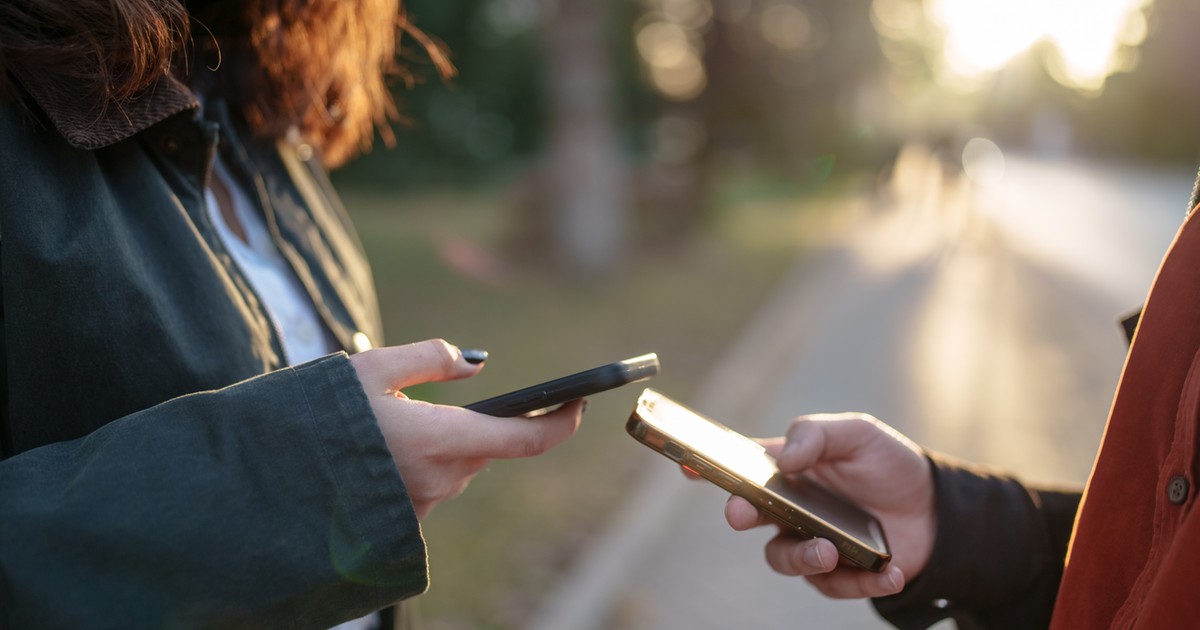
I donated via Apple Pay on their phone and entered my name on their form. I said I'd give $20. As I held up the phone to pay, they kept me engaged in conversation – more cards, handshakes, small talk – while they worked their own phone. They were extremely grateful, thanked me, shook my hand and even crouched down to pet my dog. One of them laughed that he didn't actually like dogs, but he liked mine. It's fitting because Ace is very friendly.
See also: We asked the flipper whether he believed his activities were moral. “I don't want to be a spokesman for pathology”
The charge was not $20, but $5,000. hole. Three times
As soon as I left, I felt something strange – a distinct flash of anxiety. I pulled out my phone and opened the banking app, more out of instinct than logic.
It wasn't $20. It was 5 thousand. hole. Three times. 15 thousand hole.
On the most beautiful day in months, in a neighborhood that was just starting to feel like home, my heart literally dropped. Oh shit.
I also had a meeting with a potential new client in 30 minutes. In a hurry, with shaking hands, I called the police, my husband, my mother, and the bank that issued the card I used to try to transfer the $20. for the family of the deceased child.
I reported the fraud – still shaky, still hoping it was some kind of mistake that could be quickly undone. Nine days later the reply came: rejected.
I called the bank. And again, and again. Each time, waiting forever for the connection, telling the story from the beginning, trying to sound calm, reasonable and not cry.
Eventually the case was reopened—not as a fraud case, but as a billing dispute. Their justification: I authorized the payment. I wanted to pay $20. The problem, they said, was not that the transaction took place, but rather its amount.
15 thousand hole. however, it is still on my bill, almost two months later. Every time I open the app, I feel it again – a wave of fear.
See also: This is how Poles go bankrupt. “The oldest was 94 years old”
The police told me I wasn't the only one
When I called the police, they said things like this happen all the time. That these groups move, that they are skilled, that they know exactly how to catch people in a moment of distraction or good will. They suggested I take a photo if I saw them again.
I keep thinking about it – how ordinary it all seemed. As I am, by any reasonable criteria, a competent, cautious, somewhat skeptical adult. I manage a home, a career, and thousands of daily decisions. And yet, in a few distracted minutes on a sunny afternoon, I gave them everything they needed.
There's something about the story they chose – a dead child, special education – that still moves me. As a mother, I felt something immediate, human, terrifying, indisputable. And then there was that “warm” feeling: the eye contact, the handshakes, the thanks, the way they enthusiastically petted Ace, laughed, made contact. Just thinking about it still makes me sick.
I'm still dealing with emotions – and a $15,000 bill. hole.
I'm a writer, so writing things down is my way of processing and understanding the world. I'm still at it, still adding more bank calls to my calendar (ugh), between deadlines and my daughter's ballet lessons.
I wonder why I said yes so quickly. How the story of a child's death cut through everything else.
I don't have an elegant punch line yet – just this persistent sense of how fragile such moments are, how easily care and distraction and trust can blur into one. How most people are truly, deeply good – and how sometimes that's exactly what scammers count on.
The above text is a translation from American edition of Business Insider