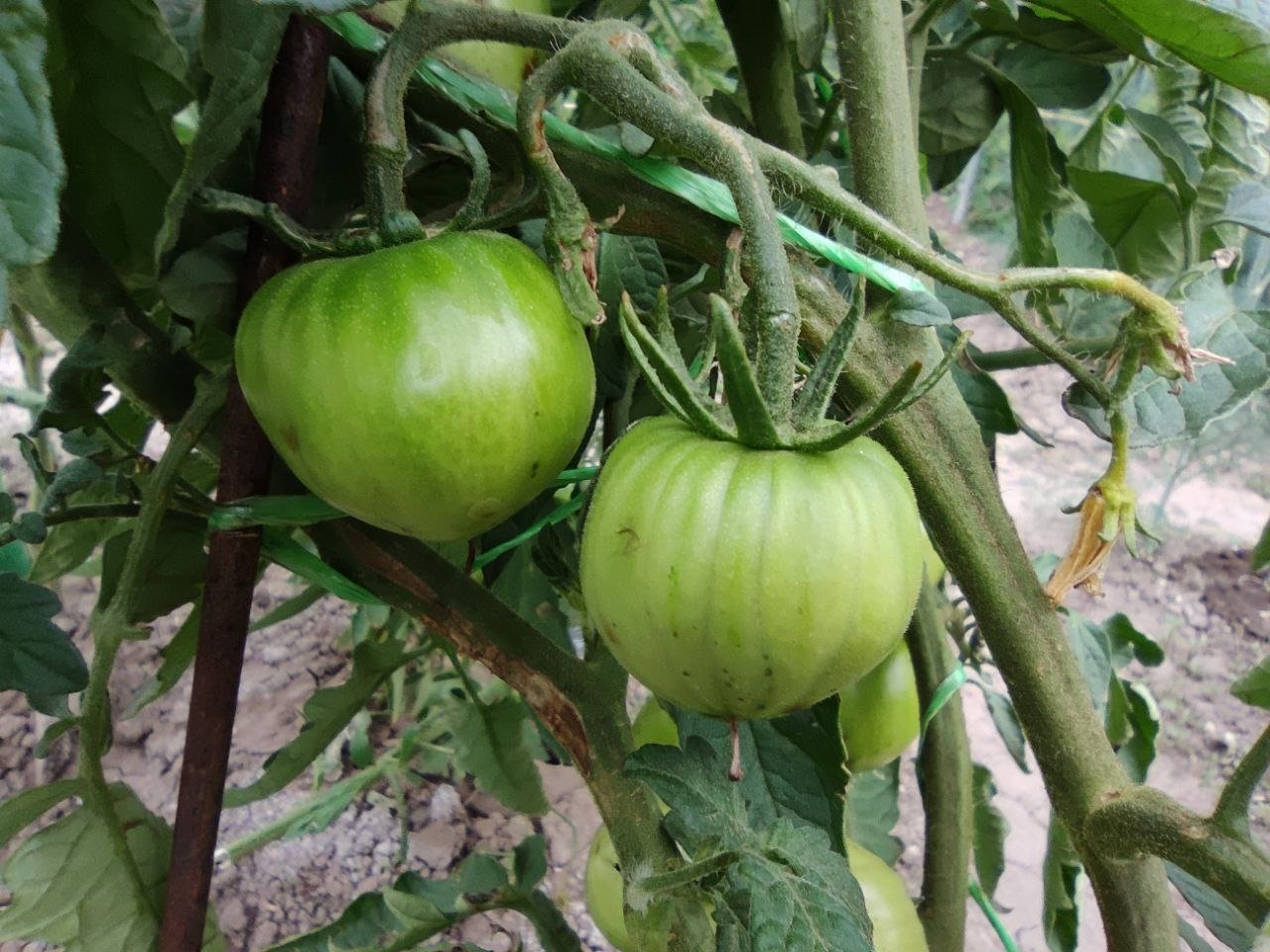
Tomatoes are perhaps one of the most favorite crops in summer cottages. However, few people understand that their yield is influenced not only by watering and fertilizing, but also by who grows in the neighborhood. If you choose the right companion plants, you can reduce the risk of disease, improve pollination, and even speed up the growth of bushes. What crops really help tomatoes become stronger, experienced summer resident Veronika Polivkina told in her blog (12+).
Basil
It not only makes the taste of the fruit more intense, but also perfectly repels pests, and also reduces the risk of fungal diseases. A classic neighborhood that has been proven over the years.
Garlic
Works as a natural protector. It helps curb the development of late blight, repels aphids and spider mites, and generally improves the health of the garden bed. It is especially useful to plant it around the perimeter of tomato plantings.
Onion
Another reliable neighbor with protective properties. It repels many pests, reduces the likelihood of diseases, and at the same time almost does not compete with tomatoes for nutrition. It is perfect for mixed beds.
Carrot
Tomatoes and carrots have a very good relationship. They have different root systems, so they hardly compete for resources, but they allow efficient use of space and soil. Often these crops are grown together.
Marigold
True natural protection against pests. Marigolds repel nematodes, reduce the number of harmful insects and even improve soil structure. They are great to plant along the edges of a tomato bed.
Salad and greens
Very useful neighbors for tomatoes. They do not interfere with the tomatoes, they quickly produce a harvest and also protect the soil from drying out. They are especially good in the early stages of bush growth.
What not to plant next to tomatoes
But you shouldn’t plant potatoes next to tomatoes – they have common diseases. Eggplants are also bad neighbors: they compete for food and attract the same pests. Corn creates unnecessary shadow and also takes away resources. But cabbage requires a completely different diet and humidity, so it has no place next to tomatoes. The wrong neighborhood, unfortunately, noticeably reduces the yield.