“The food in dhabas has improved significantly since the outbreak of the Iran war,” said Shivani Sharma, a resident of Gurgaon, a satellite city of Delhi. — Everyone cooks with coal now and the dishes benefit from it. They have that smoky smell and it's tastier, she added.
Across India, dhabas, street eateries and restaurants are switching en masse to coal. The owners had no choice when the authorities restricted the sale of bottled gas to small businesses after the outbreak of the war in Iran. The reserves were earmarked for household use.
Cooking with coal takes longer and is more labor-intensive than with gas, but is currently cheaper and allows you to maintain the current prices of dishes.
Gas is twice as expensive as coal
“For a long time we perceived coal as something burdensome. But today it is our greatest ally in surviving (the crisis),” explains Atharv Jadhav from the Misal House restaurant in Pune, central India, in the Indian Express. “We buy coal for 35-40 rupees (approx. PLN 1.35-1.54) per kilogram. We consume 15-20 kg of coal per day which costs us less than 800 rupees i.e nearly half the cost of daily gas consumption“- he emphasizes.
Shivani talks about a laundromat in her neighborhood that still uses charcoal irons. “We used to joke that it was outdated and it would be better to switch to electric irons, but now it makes sense,” he notes.
“Electricity is mainly driven by coal,” says Reshmi Vasudevan, a Delhi-based expert on climate change and renewable energy. He points out that nearly three quarters of electricity still comes from coal.
“The share of electricity generated from coal will probably decline by several percent annually. Renewable energy and alternative sources will grow, but it will take India 25 years to reduce the share of coal in energy production from 70 percent to 30 percent,” says Rohit Chandra, a scientist from the Delhi University of Technology, in an interview with the Financial Times. Reuters reported that demand for electricity in India is expected to grow by 8% annually.
Coal is still black gold
Coal is called black gold in India. The government estimates the size of the deposits at approximately 400 billion tons, which is enough for 100-150 years of extraction. According to Indian authorities, the extraction of this raw material has doubled in the last decade to over 1 billion tons per year.
“So far, progress in the development of renewable energy and sources other than coal gives no reason to believe that, at least in the next 10 years, the absolute volume of coal extraction will decline,” says Rohit Chandra, who has been involved in the coal industry for 15 years.
In 2020, Prime Minister Narendra Modi's government ended the monopoly of the state-owned company Coal India and allowed private companies to tender for coal deposits. Over 100 mining licenses have been granted so far.
Open pit mines dominate in India
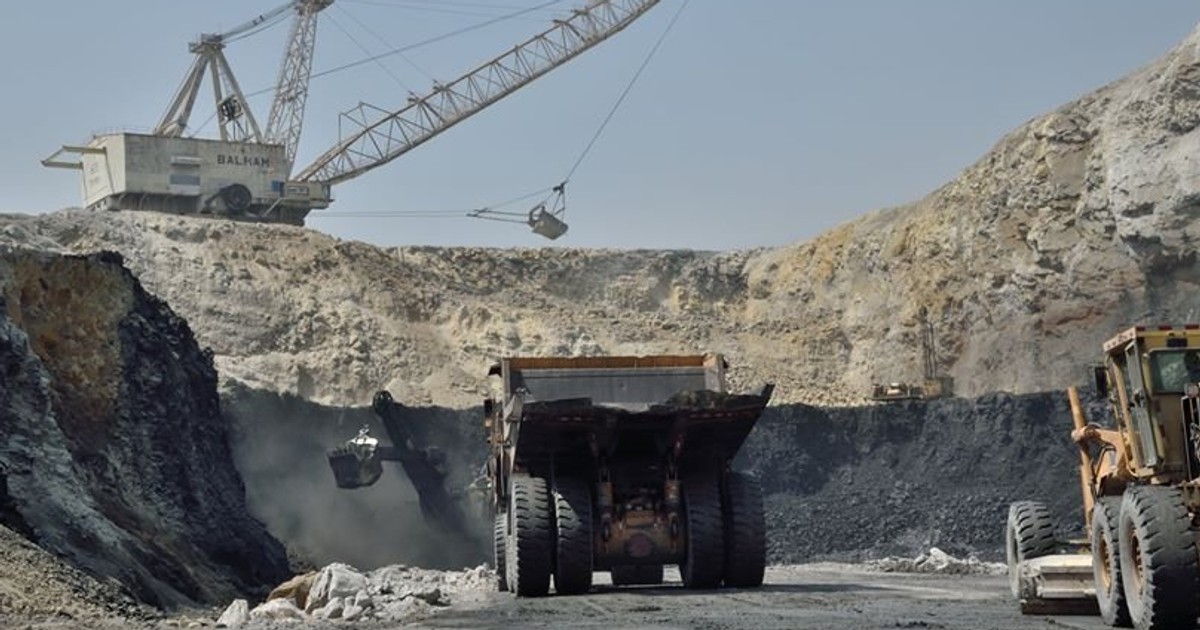
Mining Minister Kishan Reddy announced that by 2029-2030, 100 million tonnes of coal will be mined in underground mines. Open pit mines dominate in India. In a press release from May 2024, the Ministry boasted that The Gevra mine is the second largest open-pit mine in the worldand Kusmunda – the fourth.
Expert Vasudevan points out that the impact of these mines on the local community is catastrophic. The locals are suffering from dust that pollutes the air and groundwater around the mines, and are being forcibly evicted without adequate compensation. At the same time, same Coal India employs approx. 220,000 people. people. Rohit Chandra estimates that up to 20 million people will work in coal-related industries.
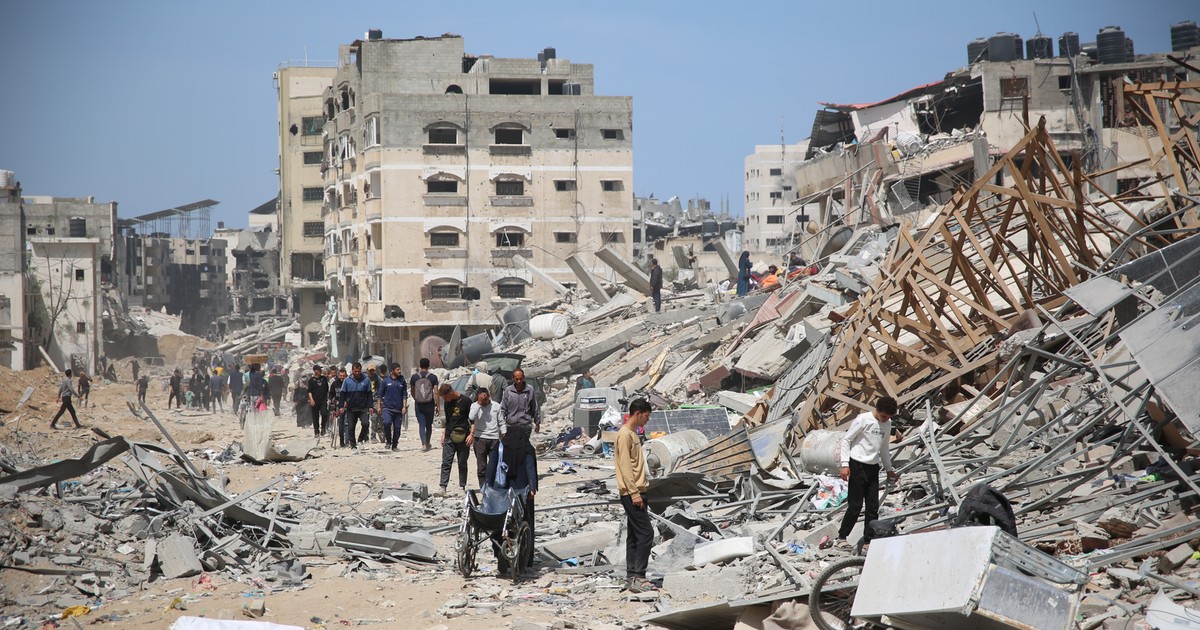
When Iran attacked the Ras Laffan gas fields in Qatar on March 18, coal became even more important. India does not have significant gas deposits, and almost half of its imports come from Qatar. Liquefied gas is mainly used in the production of artificial fertilizers and, among others, in the steel industry and cement production.
Coal gasification
The solution is to be coal gasification, Minister Reddy announced production of 100 million tons of gas using this technique by 2030. India is also to use coal furnaces in the steel industry and cement plants, which, however, is up to one third less efficient than gas.
Reconstruction of the installation in Ras Laffan is expected to take 3-5 years. During this time, India needs to find alternative suppliers from outside the Middle East and focus on alternative solutions.
“We are currently observing the second major energy supply shock,” the Indian portal Moneycontrol.com quotes Samantha Dart, head of commodity research at the investment bank Goldman Sachs.
“If you're in Asia, going through (shock) again, you may change your long-term strategy: relying on coal longer and more, building renewable energy sources faster and reducing your dependence on gas,” Dar estimates.