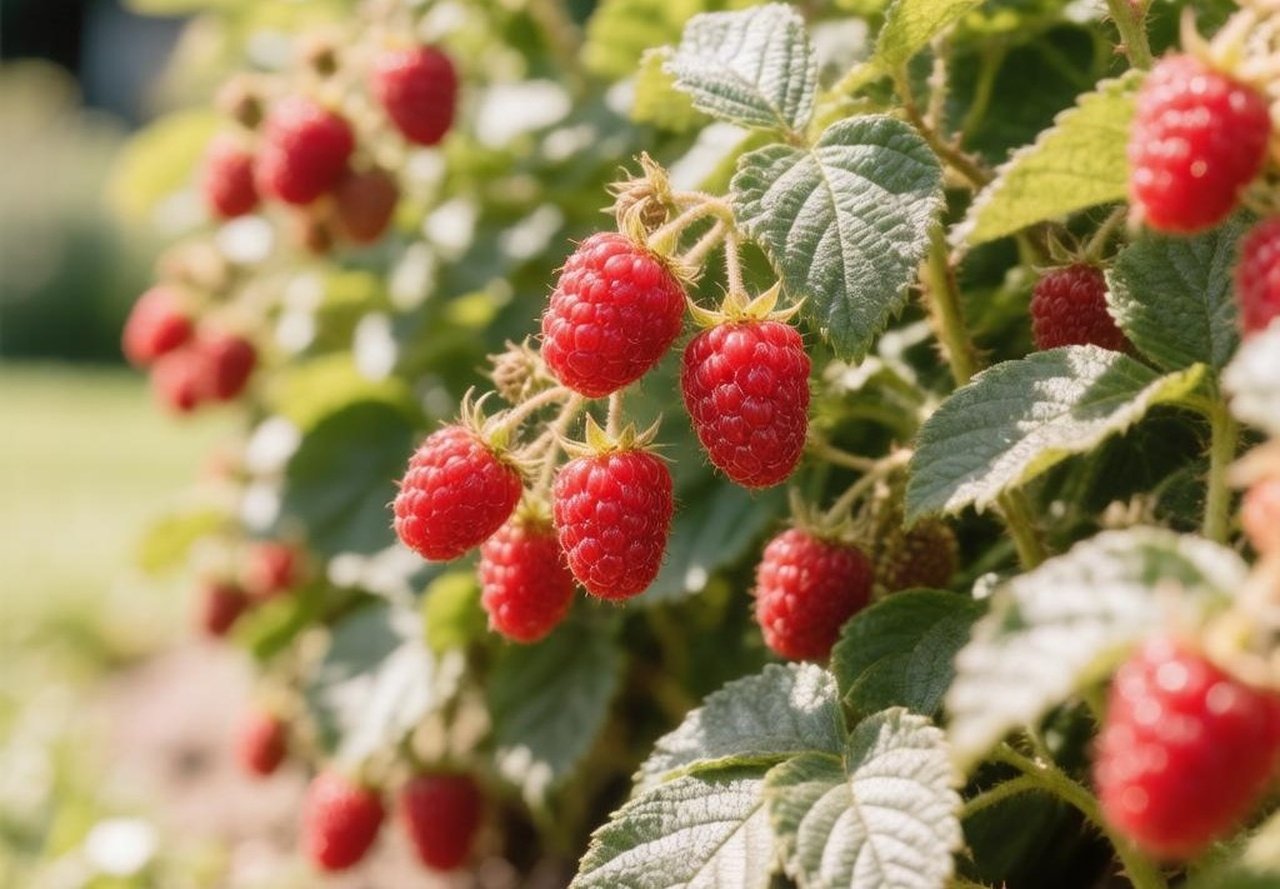
The end of April is a decisive stage for those who are waiting for sweet and large raspberries. Treatment these days protects young shoots from stem flies and mites, and also builds resistance to fungal diseases. If you want the bushes not to stretch out and the branches to bend under the weight of a clean harvest, it’s time to choose the right care.
What you will need:
- Ammonium nitrate for nitrogen replenishment and stimulation of the growth of young shoots.
- Boric acid to strengthen the ovary, prevent flower shedding and improve the taste of berries.
- Wood ash or potassium magnesia to strengthen roots, increase immunity and protect against rot.
How to process:
- Carry out the first treatment in the last days of April, when the air warms up steadily to +5 degrees, and the buds have not yet opened.
- Clear the tree trunk circle of last year's leaves, remove broken and frozen shoots, sprinkle ammonium nitrate at the rate of 15–20 g per linear meter of row and lightly embed into the soil.
- After 5–7 days, prepare a solution of boric acid: 1 g of powder per 1 liter of warm water, stir thoroughly and spray the bushes on young leaves. This will strengthen the ovary and reduce the risk of flowers falling off.
- Sprinkle the tree trunk circles with a thin layer of wood ash or apply potassium magnesium according to the instructions. This will improve the soil structure, increase the sweetness of the berries and create a barrier to slugs and larvae.
After 7–10 days, the buds will begin to actively bloom, the young stems will become dense and green. By June, flowering will take place on time, and by mid-summer the berries will be large, fragrant and truly sweet.
Question and answer:
What is the optimal temperature for processing raspberries at the end of April?
Spraying and fertilizing are carried out on a windless day at temperatures from +5 to +15 degrees. In hot weather, the solution quickly evaporates; in cold weather, nutrients are less readily absorbed by the roots.
How to protect raspberries from pests without copper-containing preparations?
In addition to nitrogen fertilizing, loosening the soil to a depth of 8–10 cm before processing helps. The larvae rise to the surface and die from contact with the drug and temperature changes.
What to do if the leaves darken after applying saltpeter?
Darkening of leaf edges may indicate excess nitrogen. Feeding is stopped, the soil is generously shed with warm water to wash away excess salt, and the next watering is carried out after 10–14 days.