2026-04-25 06:00
publication
2026-04-25 06:00
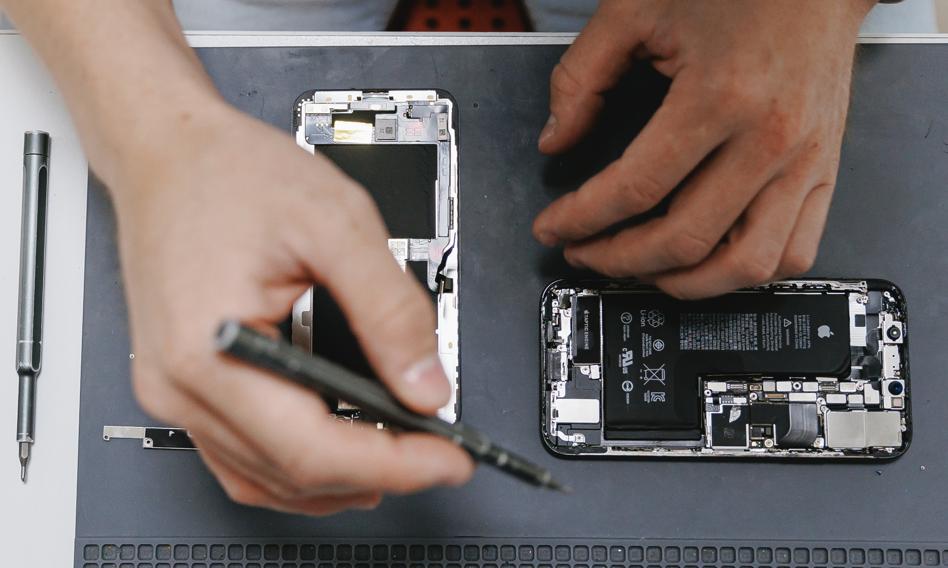
After chargers, it was time for batteries. The European Union is introducing further pro-consumer regulations on the electronic devices market, including telephones and smartphones. From 2027, all devices will have to have an easily replaceable battery, which means that some companies must radically change the approach to designing their products.
All equipment that will be placed on the EU market from February 2027 must have a structure that allows for independent replacement of batteries or accumulators without the need to go, for example, to a showroom. This applies to all devices, from smartphones through Apple or Meta glasses to electric bikes. If the company does not comply with these guidelines, it may be forced to withdraw its products or even face a sales ban in the European Union.
A portable battery should be considered removable by the end-user if it can be removed using commercially available tools and without the need to use specialized tools (unless they are provided free of charge), proprietary tools, heat energy or solvents to dismantle it, the EU wrote in Regulation (EU) 2023/1542.
How are EU rules changing Apple, Samsung and Nintendo devices?
Companies got to work. Nintendo is already planning to produce a special version of the Switch 2 console with a replaceable battery for Europe. In the iPhone 16 series, Apple introduced an easily removable back panel and battery. Samsung has made it easier for users to replace Galaxy smartphones by significantly reducing the use of glue and adhesives. They encountered limitations that were difficult to overcome, among others: manufacturers of wireless earphones that still have glued-in batteries.
Companies are also expected to include instructions for self-replacement. At the same time, they may also require the use of specific, but available, tools. This makes it possible to introduce special repair kits.
The “right to repair” in practice
In 2023, Brussels introduced a regulation aimed at minimizing the number of thrown away batteries that could just as easily be recycled. Thus, he wants to reverse the flow of the river that allowed DIY enthusiasts to replace batteries using tools generally available at home (most often, a Phillips screwdriver was sufficient). However, over time, tech giants found that batteries took up too much space, so they began to “bury” them deep inside devices.
There are exceptions to the EU “right to repair”. in the form of specialized medical equipment or devices intended for use under water, and here there is an opening for manufacturers of e.g. smartphones who can improve water resistance and, consequently, bypass the need to enable independent battery replacement.
This is also an element of a broader European Union campaign, the first stage of which in June 2025 introduced “durability” requirements. Phones must retain at least 80 percent. battery capacity after 800 charges.
ed. aw