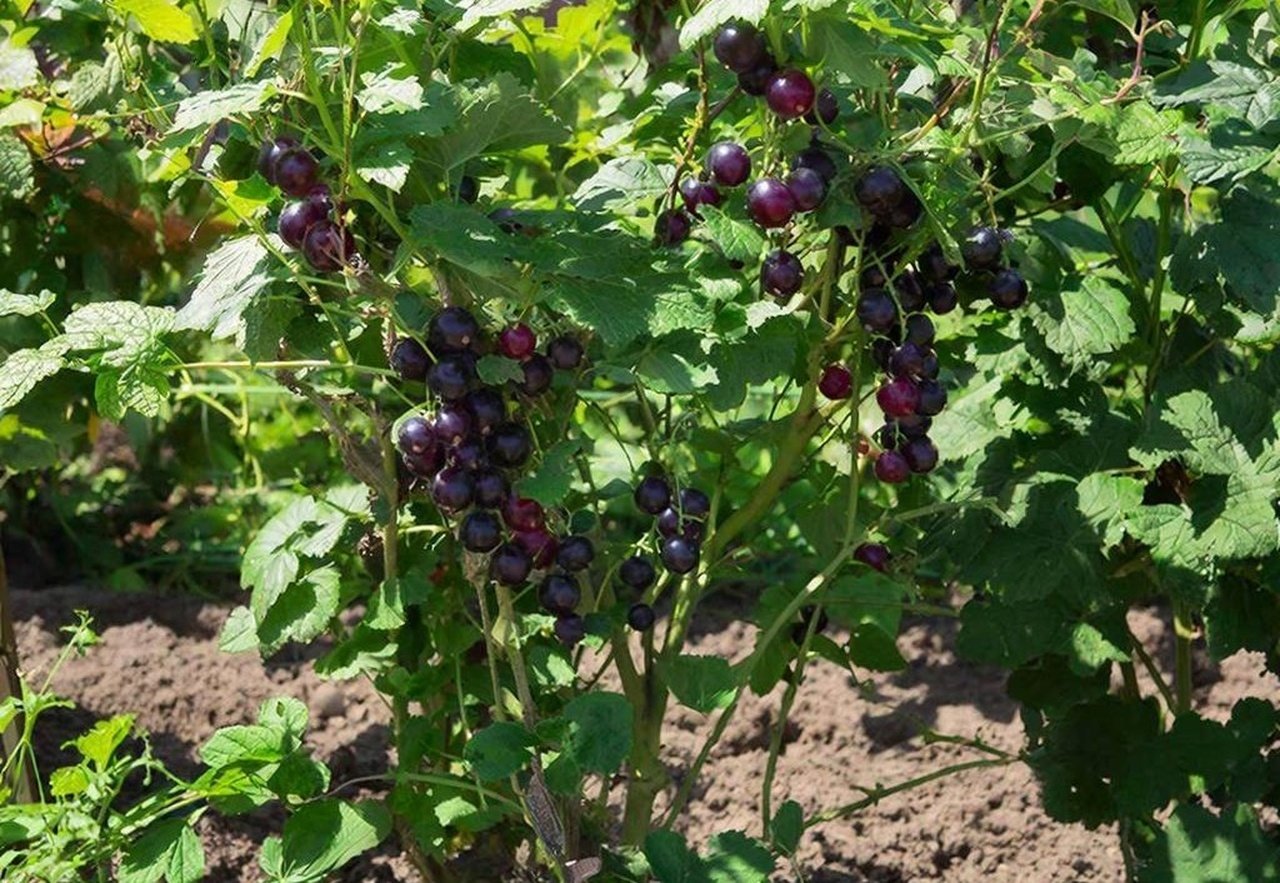
April is a key month for those who want to get a bountiful currant harvest. Timely processing during this period protects the buds from mites and aphids, and also creates a base for large and sweet berries. If you want to collect not just a handful, but full buckets, it’s time to figure out how to process the currants in April.
What you will need:
- Copper sulfate or Bordeaux mixture for the prevention of anthracnose and protection against powdery mildew.
- Ammonia to repel kidney mites and light nitrogen fertilizing.
- Wood ash to strengthen the immunity of bushes, deoxidize the soil and protect against sawflies.
How to process:
- Carry out the first treatment in early April, as soon as the snow melts and the buds swell.
- Remove old mulch, cut out dry and damaged branches, spray the bushes with a solution of copper sulfate according to the instructions, paying attention to the base of the shoots.
- After 7-10 days, pour the currants with a solution of ammonia at the rate of 2 tablespoons per 10 liters of water. This will repel waking pests and provide the plant with available nitrogen for shoot growth.
- Sprinkle the tree trunk circles and row spacing with a thin layer of wood ash. This will protect against slugs and larvae, improve soil structure and reduce the risk of developing fungal diseases.
Within a week, the buds will begin to actively bloom, the leaves will become rich green and elastic. By the end of May, the bushes will be strong and healthy, flowering will take place on time, and the berries will be large, aromatic and truly sweet.
Question and answer:
Is it possible to mix copper sulfate with ammonia?
The components are added separately at weekly intervals. Copper works as a fungicide, and nitrogen from ammonia stimulates growth. When mixed at the same time, the effectiveness of both products decreases.
How much ash should be applied to one currant bush?
For currants, 1–2 cups of sifted ash per bush is enough. It is spread over moist soil and lightly covered with a hoe. Excess ash can alkalize the soil and interfere with the absorption of microelements.