In public statements, Donald Trump displays the same loud confidence that has defined his political style. Behind the scenes, however, according to some officials and those close to him, the president is facing real uncertainties, in an unprecedented context for him: a prolonged military conflict.
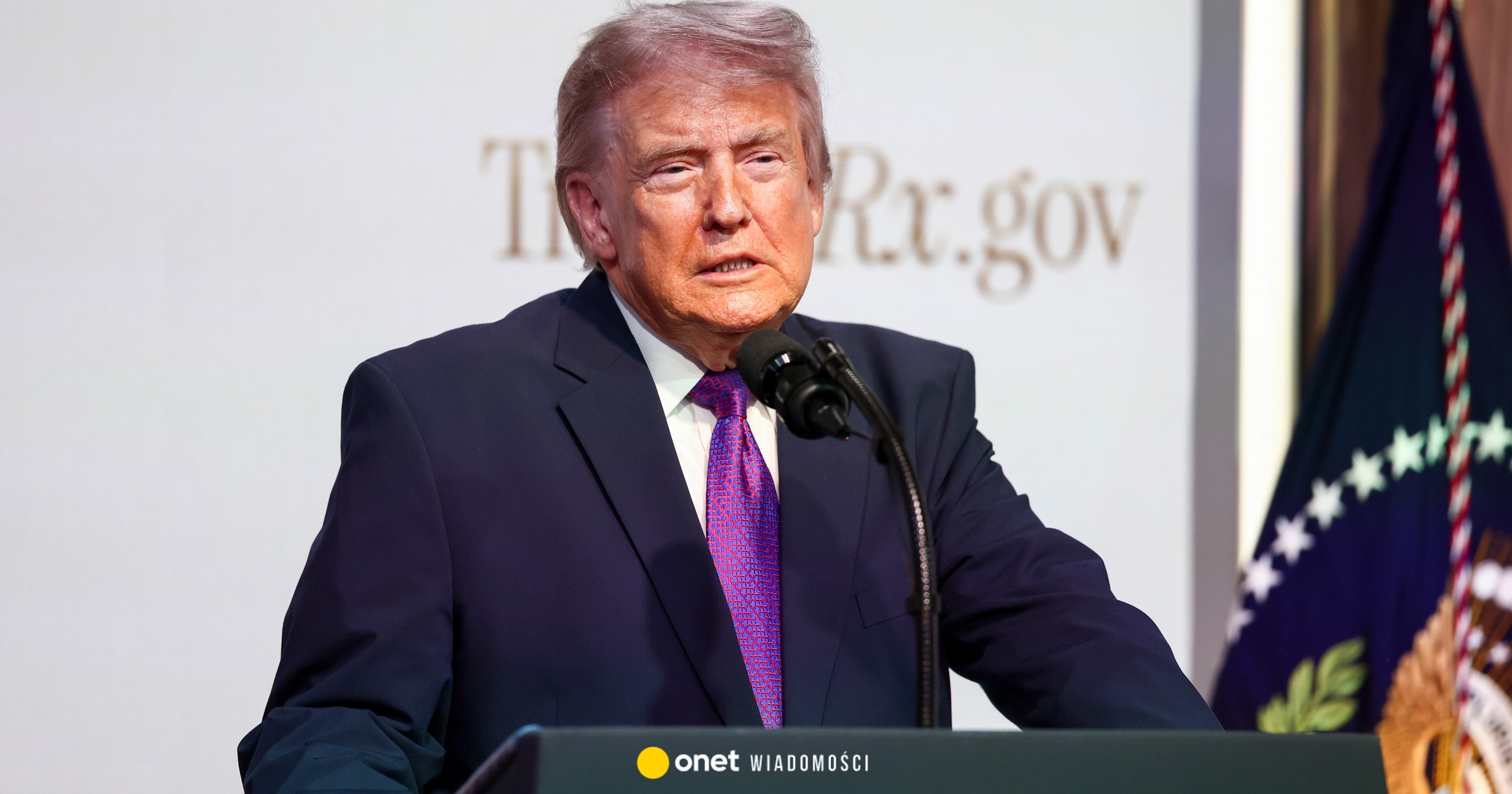
US President Donald Trump/PHOTO:X
A critical moment occurred on Good Friday, when Trump learned that an American plane had been shot down over Iran and two crew members were missing. In the hours that followed, he repeatedly criticized the lack of support from Europeans and cited concerns about the economic impact, including rising fuel prices.
According to those who spoke with him, the example of Jimmy Carter and the Iran hostage crisis of 1979 — an episode considered a major foreign policy failure, writes The Wall Street Journal — frequently came to his mind.
Military operations and tense decisions
Trump has called for immediate intervention to recover the troops, but planning an operation in Iran has proven complex. Counselors chose to give him information selectively, fearing that his impulsive style could complicate decisions.
One of the airmen was quickly recovered, and the second was saved only after a risky operation, which was completed late on Saturday, April 4. The episode, which could become a critical moment for the administration, ended without loss.
Oscillations between escalation and negotiation
Soon after, Trump returned to the public space with an aggressive message regarding the opening of the Strait of Hormuz, one of the most important global oil routes. The tone of the message contrasted with parallel attempts by the administration to spur negotiations.
Administration sources say the president is alternating between tough stances and diplomatic openness as he tries to manage the risks of an escalating conflict.
At the same time, he continues to engage in other domestic matters, from White House plans to political campaigns, reflecting a fragmented focus during the crisis.
Concerns about human costs
Like other wartime leaders, Trump faces the difficult decision of sending troops into high-risk areas. According to some officials, he refused an operation on Kharg Island, a strategic point for Iran's oil exports, because of fears of human casualties.
In parallel, some public statements — including extended threats against Iran — were not coordinated with the national security team, being part of a pressure strategy.
Trump requested evaluation of psychedelics to treat depression, including psilocybin from hallucinogenic mushrooms: 'Can I have that too, please?'
A more difficult conflict than anticipated
Although Trump relied on a quick intervention, similar to other previous operations, the conflict with Iran proved more complex. Initial deadlines have been missed and the prospects for a truce remain uncertain.
The administration maintains that there is a chance for diplomatic progress in the coming period, including through indirect contacts.
Impulsive style, put to the test
Analysts point out that Trump's decision-making style has not been tested in a long-term war. Unlike other situations, Iran has shown no signs of bowing to pressure.
Kori Schake, a security policy expert, believes that military successes do not automatically translate into strategic outcomes, pointing to problems of planning and coherence.
Controversial messages and reactions
Some of the president's statements, including social media posts with unusual language or religious references, have generated confusion and criticism, including from his own political allies.
According to aides, Trump acknowledged that some of those messages were deliberate, designed to create the impression of unpredictability and force negotiations.
Economic and political pressures
The closure of the Strait of Hormuz has significantly affected the oil market, raising concerns among industry leaders. At the same time, polls indicate a negative impact on domestic political support.
Trump is closely monitoring economic developments, aware of the political risks, but has signaled that he is willing to accept short-term costs.
Between strategy and improvisation
The administration's decisions sometimes seem reactive, and public communication has been inconsistent. Advisers tried to limit the president's unscheduled appearances, but without long-term success.
A speech to the nation failed to clarify strategic direction or increase public support.
As the conflict continues, Trump is caught between the desire to project force and the reality of an unpredictable war. Behind the firm statements, questions about cost, duration and outcome persist, the WSJ points out.
For now, the administration is trying to maintain a balance between military pressure and diplomatic openness — in a conflict that continues to rapidly evolve.