Retirement in Thailand. How much money do you need to have?

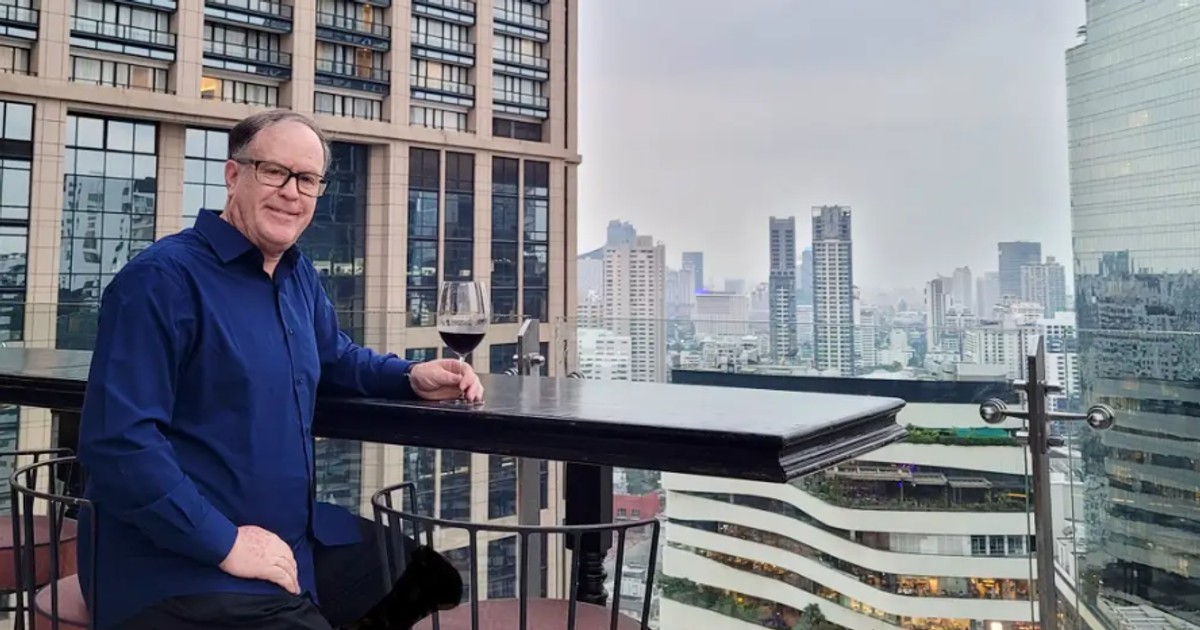
When Bill Strayer first dreamed of moving to Asia, his goal was always Japan.
He was born in Colorado, studied in Missouri, and later moved to the San Francisco Bay Area to work in the technology industry. There, business trips around Asia allowed him to learn about cultures he had never encountered before.
Eventually, after retirement, he settled in Bangkok and in an interview with Business Insider, he reveals the behind-the-scenes of his current life.
Read also in BUSINESS INSIDER
First there was Japan
As an adult, he participated in a homestay program in Japan three times, living with local families.
“That's what really got me thinking about life in Japan,” Strayer says. — I learned Japanese, watched Japanese films, listened to Japanese music. I have visited Japan 14 times, he adds.
His original goal was to move to Japan, and he accepted a job that eventually took him to Hawaii as a stopover.
|
Bill Strayer
As his career progressed, Strayer accepted a job at a financial services company, which eventually took him to Hawaii.
— My company had a branch in Honolulu. I thought: Honolulu is kind of on the way to Japan. I'll stay in Hawaii for two or three years and then move to Japan, he says.
What was supposed to be a short stop in Hawaii turned into 24 years, and the move to Japan never materialized.
Instead, Strayer left his job as a financial advisor after a few years and started a new chapter in aviation – first flying cargo, and later transporting hotel guests between the Hawaiian islands.
And when it finally came time to retire, he moved to Bangkok.
See also: “The end of campers and Majorca.” Life for Germans in retirement is no longer a paradise
A moment of enchantment with a new city
While Strayer was living in Hawaii, the time to move to Japan never seemed right — being in his early 30s, retirement was still a long way off. Additionally, his mother moved to Hawaii permanently after years of living there seasonally.
A two-week trip through Southeast Asia in the early 2000s took his attention away from Japan. With only a day and a half in Bangkok, the capital of Thailand, he hired a driver to show him around the city – and immediately fell in love with it.
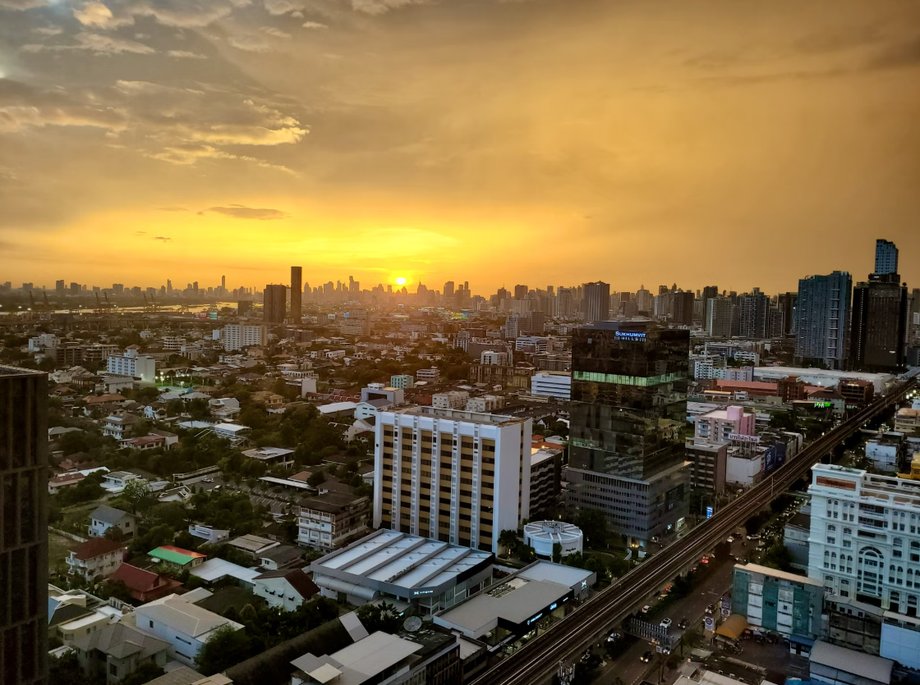
A journey through Southeast Asia in the early 2000s took him to Bangkok
|
Bill Strayer
“It was amazing,” Strayer says. — So I thought: OK, next year I'll spend two whole weeks in Bangkok. And that's how it started.
Since then, he has spent his two weeks of vacation in Thailand every year, getting to know the culture and people. Over time, he came to the conclusion: Japan is a place he loves visiting, but Thailand is a place he could actually live — especially since he doesn't like the cold.
“It's an added advantage for Thailand – I won't see a single snowflake there,” he says.
After retiring from aviation in October 2022 and obtaining a retirement visa, he returned to Bangkok in May 2023.
Life in Bangkok
Strayer is part of a broader trend of people moving to Thailand. Bangkok itself has long been a popular destination for expats.
At the end of 2024, 102,000 people lived in the city. 189 foreigners, according to the latest data from the Thai government.
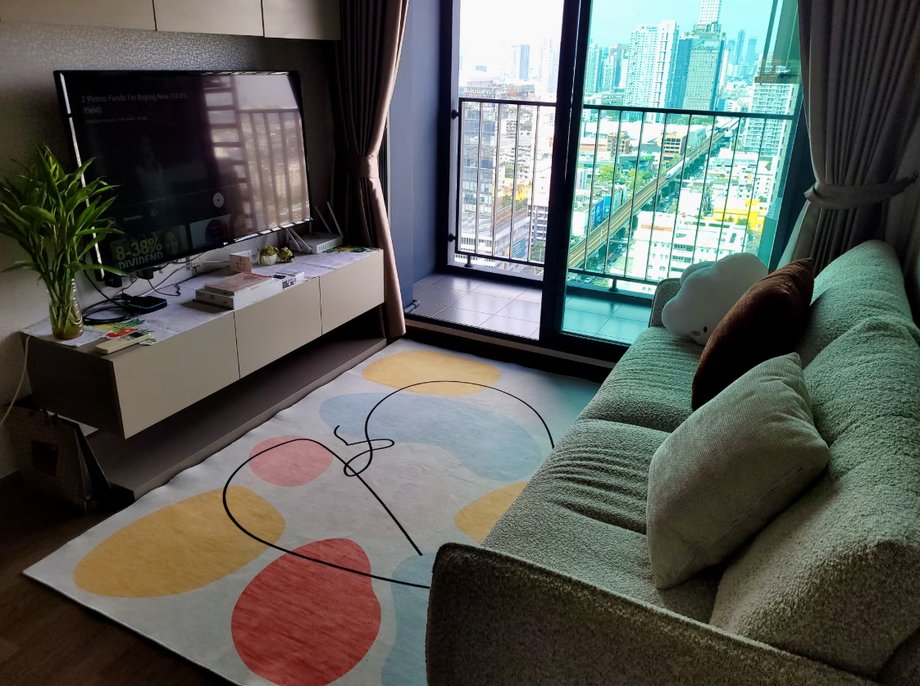
Strayer spent two weeks in a hotel looking for an apartment. With the help of a real estate agent, he found a two-room apartment about 20 minutes from the center. The rent is PLN 30,000. baht per month, i.e. approx. 3.5 thousand. PLN and has been living there for three years.
Strayer applied for a retirement visa and moved to Bangkok
|
Bill Strayer
His furnished apartment is close to the Bangkok Skytrain, making it easy to get around the city.
Thanks to easy communication, Strayer does not complain about the lack of activities. A typical day starts with a light breakfast, then exercises in the apartment complex, and then goes out for lunch.
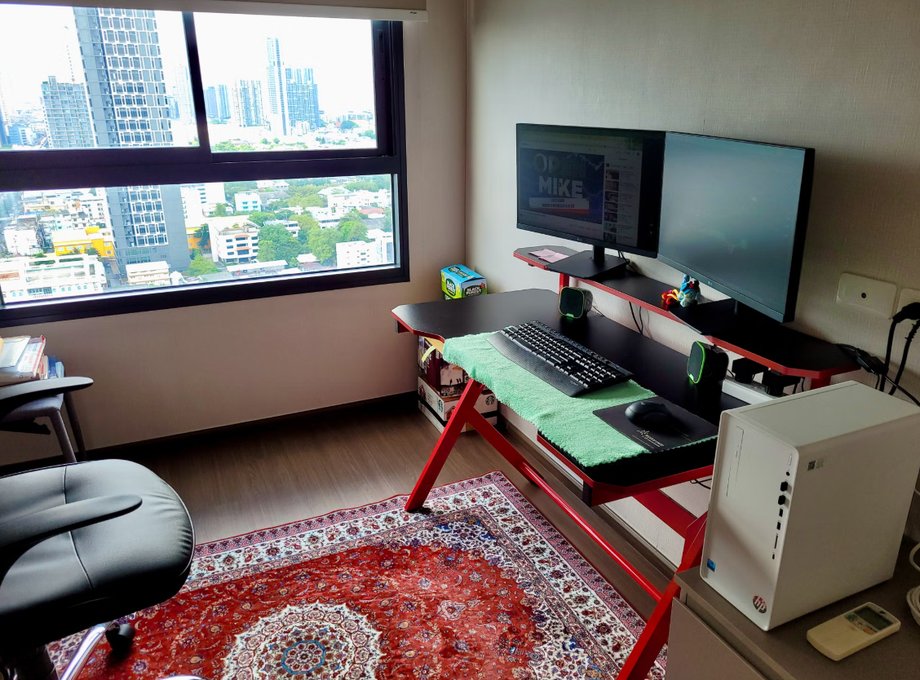
He lives in a two-room apartment about 20 minutes from the city center
|
Bill Strayer
— I don't cook because there is so much great food right on my doorstep – cheap and delicious, much better than I can prepare myself – says.
Describing himself as a foodie, he likes to discover new restaurants, and a large part of his social life has been created thanks to these visits. One of his favorite places is a small, traditional Thai restaurant serving home-cooked food.
— I know the staff, they know me. Sometimes we meet outside of work and so on. It's really great, he says.
Many of his days end with a visit to one of the rooftop bars in Bangkok, where he watches the sunset.
“I set myself the goal of visiting as many of them as possible,” he says. — You don't even have to drink alcohol – you can just come and hang out.
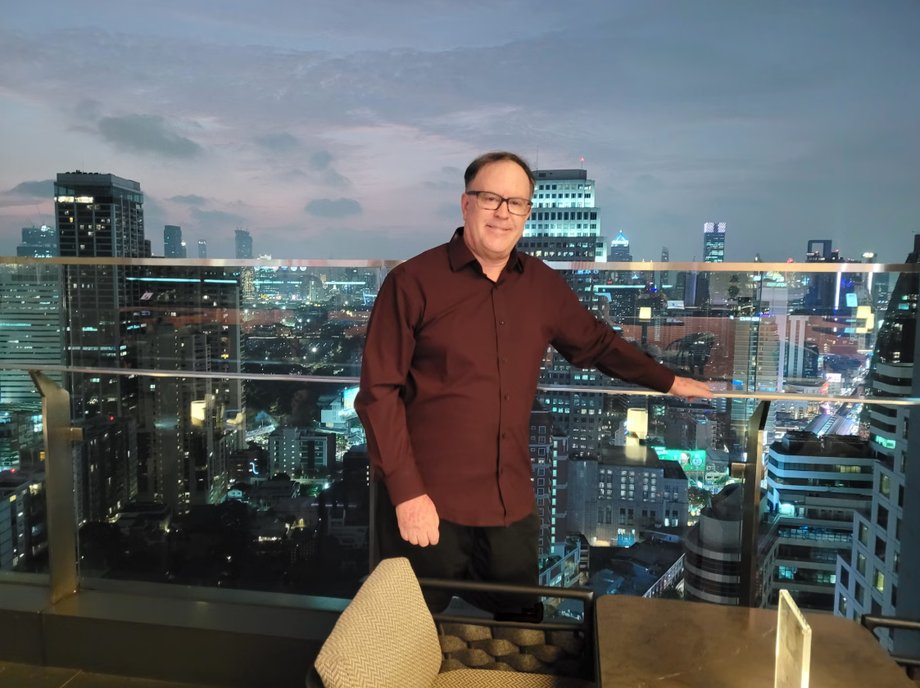
One of his hobbies is visiting rooftop bars throughout Bangkok
|
Bill Strayer
Even in retirement, Strayer hasn't completely slowed down. He has been trading on the US stock market since the 1990s and still gets up between 2am and 4am to do it.
He also built a small circle of expat friends in the city — including a Canadian retiree he met at the gym and another person he met through YouTube through a shared interest in the stock market.
— I should spend more time at home, but there is so much to see and do and so many people to meet that it's hard to stay at home – he adds.
He still travels between Bangkok and Honolulu about three times a year, mostly to visit friends. But he doesn't see himself returning to Hawaii permanently — at least not yet.
— I wouldn't have had as much fun in the US. I can say it now – says.
The above text is a translation from the American edition of Business Insider