Two truces are now in force in the Middle East, but the negotiations that will follow involve both opportunities and risks, writes the BBC. Each of the protagonists – the US, Israel and Iran – has its assets in hand.
The two truces, in Iran and Lebanon, are considered fragile, and at first glance last night's announcement of an end to fighting between Israel and the pro-Iranian militia Hezbollah looks like a win for Iran, which has been demanding the deal as a precondition for a deal with the United States.
Tehran secured a ceasefire in Lebanon and then announced on Friday that the Strait of Hormuz was “fully open”.
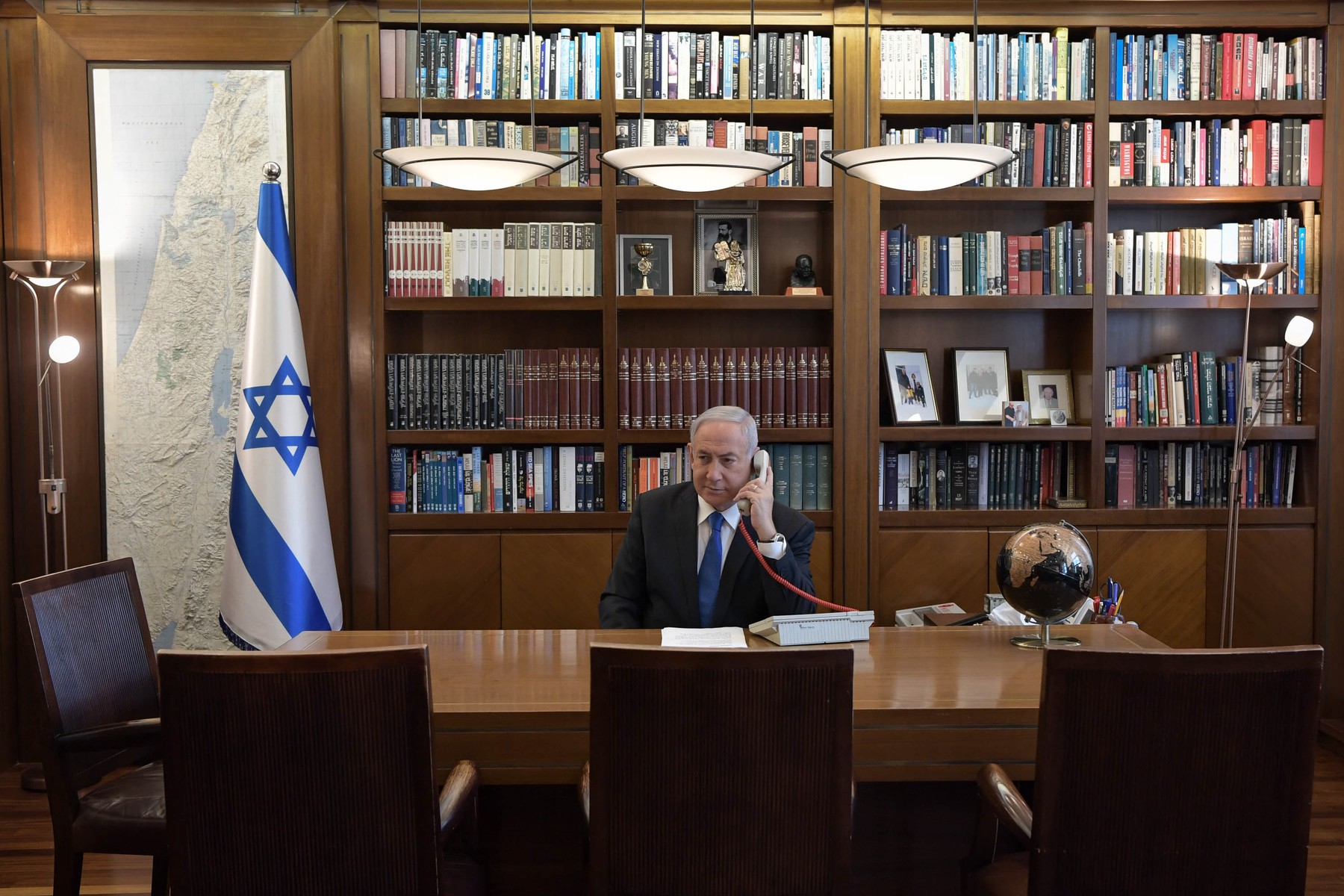
Instead, in Israel the truce was met with anger even from those who live in the north of the country, who believe that Prime Minister Benjamin Netanyahu gave in to American pressure, instead of ensuring that Hezbollah does not fire any more rockets at their country, notes the BBC.
“The ceasefire puts Israel's initials on the situation it has so far tried to avoid; legitimizing the link between Iran and the theater of operations in Lebanon. Yesterday, Hezbollah received the final confirmation that its master, and Lebanon's, has his hands on the wheel and continues to dictate what happens in the region,” wrote Shirit Avitan Cohen, from the right-wing publication Israel Hayom, quoted by the BBC.
The ceasefire in Lebanon, convenient for everyone
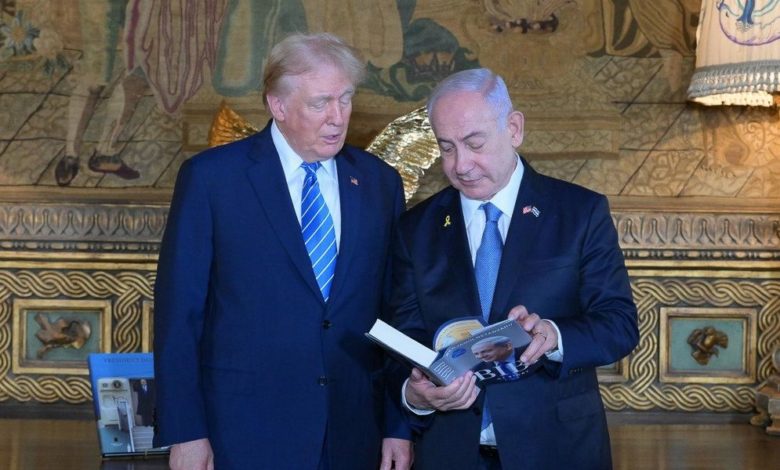
In reality, all the players involved in the conflict get something out of this deal, says Paul Adams, the BBC's diplomatic correspondent. It's an opportunity for President Donald Trump and Iran to take credit for the ceasefire.
Netanyahu can point to the fact that Israeli troops remain in southern Lebanon, and the government in Beirut can claim to have achieved direct negotiations with Israel after months of trying. Also, Hezbollah can still claim that it has not been defeated and disarmed.
“Not until an effective ceasefire, a real one. Not until the Israeli withdrawal. Before the release of the prisoners, before the return of the refugees and before the reconstruction. Until then, there can be no talk of Hezbollah's weapons,” said Wafiq Safa, one of the organization's top leaders.
But Israel and Lebanon have been at war since 1948, and the obstacles they have to overcome are enormous. “They have to do with the demarcation of the border, the disarmament of Hezbollah and the withdrawal of Israel from Lebanese territory,” believes Lina Khatib, from the London think-tank Chatham House.
But Khatib believes that direct negotiations are a step towards removing Lebanon from Iran's influence. For Israel in particular, it is vital that Iran's support for Hezbollah, Hamas and the Houthis be limited. In return, Tehran would have to accept giving up some of the tools that have provided it with influence in the region.
Strait of Hormuz open, but on Iran's terms
For the United States, it is essential that Iran give up its nuclear weapons, with Trump announcing that Tehran has agreed to hand over around 440 kilograms of enriched uranium. Iran has yet to confirm Trump's statement.
Instead, Iran still has a weapon that it has recently used: closing the Strait of Hormuz. Iran wants its sovereign right over the strait to be recognized, jointly with Oman.
The Iranian Foreign Minister, Abbas Aragchi, announced on Friday the opening of the strait, but with an important clarification, namely that the traffic routes will be announced by the authorities in Tehran. It seemed to refer to new routes, closer to the Iranian shores, north of the two maritime traffic lines used before the war, and it remains to be seen how quickly the blocked vessels will be able to pass Hormuz, writes the BBC.
How durable an agreement could be
It also remains uncertain how quickly the United States will be able to reach an agreement with Iran and how durable it will be. The previous agreement, on the nuclear issue, was signed in 2015 at the end of 20 months of negotiations.
Trump is known for wanting to give the impression of getting deals done quickly, rarely looking back to see if they actually got anything done. An example is given by the two meetings in 2018 and 2019 with Kim Jong Un, after which North Korea continued its nuclear program.
“But after the tumultuous events of the past six weeks, a diplomatic process has begun which will be boosted by the ceasefire in Lebanon. Is it enough to prevent a return to war? Not even Trump knows,” concludes Paul Adams, the BBC's diplomatic correspondent.