North Korean ballistic missiles were manufactured using up to 50-year-old technology, Ukrainians found

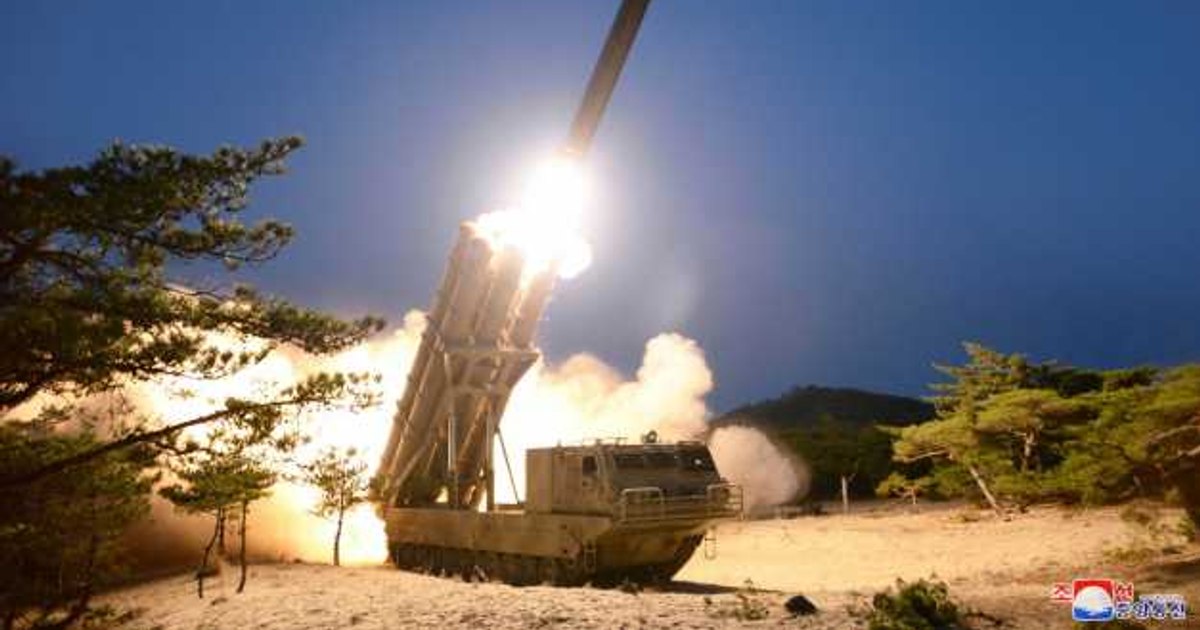
Ballistic missiles supplied by North Korea to Russia appear to be made with outdated technology, some as old as 50 years, according to an analysis published by the Ministry of Defense of Ukraine.
Russia used North Korean missiles against Ukraine/FOTO:X
The report, resulting from laboratory examinations of missile fragments recovered from the 2024 attacks, targets two types of weaponry: the KN-23 and the KN-24. They were used by Russian forces on Ukrainian territory, including in bombings of large cities.
Ukrainian specialists claim that although the missiles bear similarities to modern Russian models such as the Iskander-M, they are technologically inferior. The fuel used is less efficient, and to reach the same distances, the engines are considerably larger — by about 50%.
Outdated technology and “cheap” solutions
One of the report's most surprising findings concerns the manufacturing process. According to the Ministry of Defence, the methods used are “about half a century out of date” and the quality of the electronic solders reflects this.
At the same time, experts identified the use of graphite for the thermal protection of the warheads — a solution described as relatively cheap but effective for resistance to high temperatures during flight.
Civil components, sanctions avoided
The analysis also showed that the missile control systems contain commercial electronic components sourced from international brands. Ukrainian officials say Pyongyang uses such purchases to circumvent international sanctions.
Ukrainian military intelligence has identified parts manufactured in several countries, including China, Japan, the US and European states — a wake-up call about the vulnerability of global supply chains.
Reduced accuracy and reliability issues
The first uses of these missiles were reported in January 2024, when Russia allegedly launched them over the city of Kharkiv. Ukrainian authorities said at the time that the munitions were imprecise and unreliable, with some exploding in the air before hitting their targets.
Later, Kiev also announced the interception of KN-24 missiles launched over the capital. In 2025, Ukraine accused North Korea of supplying Russia with at least 148 ballistic missiles.
Growing military cooperation
Since the beginning of the war, relations between Moscow and Pyongyang have noticeably strengthened. Russia received not only weaponry but also direct military support, including troops, in an attempt to sustain its offensive.
The United States and South Korea warn that this cooperation is not one-sided. In exchange for the support, North Korea could gain valuable experience in real combat conditions — both in terms of military tactics and weapons development.
The conclusion of the Ukrainian report is clear: although technologically inferior, these missiles remain a threat, especially through their numbers and the ability to be produced and delivered quickly in an attrition conflict.