Iran announced that the Strait of Hormuz is now “completely open” to commercial traffic, a major step towards ending the war with the United States and Israelwhich caused a sharp increase in energy prices and hit the global economy, Bloomberg reports.
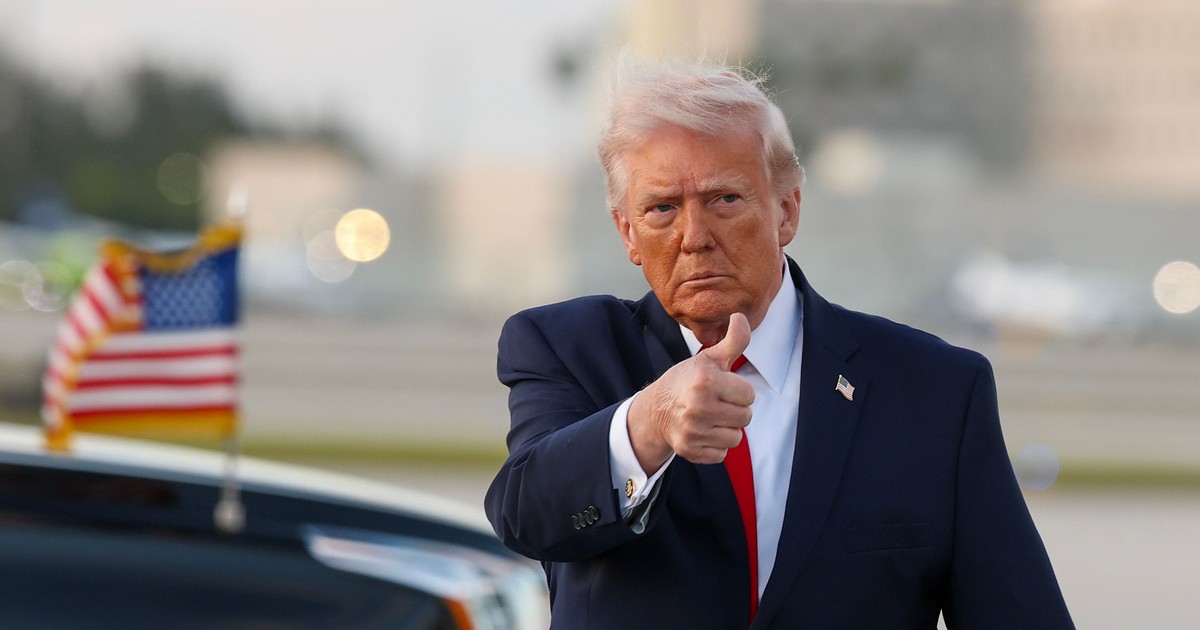
“Iran just announced that the Iran Strait is fully open and ready for full passage. Thank you!” – wrote US President Donald Trump on Truth Social. Moreover, the American leader stated that Iran allegedly agreed that it would never again close the Strait of Hormuz.
The market reacted optimistically to the news regarding the Strait of Hormuz
“In accordance with the ceasefire in Lebanon, passage for all commercial ships through the Strait of Hormuz is considered fully open for the remaining ceasefire period,” Foreign Minister Abbas Araghchi wrote on the X website. Ships can move through the “coordinated route already announced” by the Iranian authorities.
In response to this news, oil prices began to fall sharply and stock markets were gaining. At one point, the price of crude oil fell by 12 percent, to about $83. per barrel, which is the lowest level since around March 10 this year.
The drop in oil prices caused a positive reaction of stock indices. The S&P 500 index is up 1%, the Dow Jones Industrial Average is up 1.5% and the Nasdaq Composite Index is up 1.1%. It's another successful session on Wall Street, and it means US stocks are heading to the end of their third straight week of big gains – the longest such streak since Halloween.
The German DAX and the French CAC 40 are gaining 2% each, and the pan-European Stoxx Europe 600 index is up 1.3%. Good moods also on the WSE, where WIG20 increases by 1.1% at the end of the session. This increase would be greater if it were not for the negative impact of Orlen – this year's star of the Warsaw Stock Exchange – which is dragging the index down after the depreciation of crude oil (it has the greatest weight in it).
US stock markets are breaking new records
American stocks gained 12%. since reaching its nadir in late March. The gains were fueled by hopes that the United States and Iran would avoid a worst-case scenario for the global economy. The reopening of the Strait of Hormuz, which may only be temporary, is the clearest sign of optimism yet. Additionally, President Donald Trump said in a speech late Thursday that the war “should end soon.”
Thanks to a clear rebound fueled by news from the Middle East, the most important American index, S&P500, set a new all-time record on Friday at 7,117 points. The Nasdaq 100, which includes technology companies (including those dealing with AI and IT solution providers, both groups have been hot topics on the market in recent weeks), also reached a new peak, reaching almost 26,616 points. The Dow Jones Industrial Average is slightly below its highs from early February (49,518 points).
The Russell 2000, an index of companies with smaller capitalizations, did even better. On Friday it grows by 2%. and is at new records around 2,791 points. While, for example, the S&P500 has gained only 4% since the beginning of the year, the Russell 2000 has gained almost 12%. rate of return.
The resilience of the Russell 2000 index is noteworthy because it was the first major US benchmark to enter a correction earlier, in early 2026, losing more than 10%. compared to the previous peak in the face of growing geopolitical tensions and concerns about a spike in oil prices. This rebound indicates a significant shift in investor sentiment: market participants are now looking beyond the initial shocks and focusing on the fundamental strength of smaller domestic companies, which are often better insulated from international trade disputes, Reuters estimates.
Analysts believe that the expansion of the rally into small-cap companies is a positive signal for the entire market. This means improved expectations for economic growth, as smaller companies tend to be more sensitive to the national business cycle. Such a trend may herald a more lasting and broader upward march of the market, rather than growth limited to a few technology giants.