The sarcophagus in Chernobyl is no longer airtight. The expert explains the scale of the threat


On Tuesday, April 14, the Ukrainian news agency Unian published an interview with Greenpeace Ukraine senior nuclear energy specialist Shaun Burnie, who warns about the threat resulting from damage to the facility. This issue has once again stirred public opinion and raised questions about whether we are safe. Onet talked about it with Olha Koszarna, a doctor of chemical sciences, an expert in the field of nuclear energy, and a member of the council at the Ministry of Energy of Ukraine.
“One drone jeopardized many years of work by the international community”
Mariia Tsiptsiura: The issue of damage to the sarcophagus of the Chernobyl reactor has returned to public space. How serious is the situation there? Is it a real threat?
Olha Koszarna: First of all, it is necessary to distinguish: there is the “Hiding” Object – it is a structure built in 1986. This is the official name of the first sarcophagus that covered the damaged reactor. However, what is above it is the New Safe Shell, i.e. Ark, created in 2019. It is a project that cost about EUR 1.6 billion. Funds were collected by 45 countries around the world, and 25 countries participated in the design, supply of equipment, materials and construction.
The old sarcophagus was deteriorating. Moreover, from the very beginning it was assumed that its operational period would be 30 years. Therefore, this object was covered with a new, safe casing – it is an extremely complex engineering structure: a very complex ventilation system, circulation of warm air between the layers, climate control and special cranes for dismantling the old sarcophagus. The goal was to dismantle this shield and bury all the radioactive waste — high-level structures and so-called fuel-bearing materials that were created when nuclear fuel was melted.
The greatest threat, however, is radioactive dust, approximately 4.5 tons of which have been collected there. This dust contains transuranium elements, americium, plutonium, uranium… In fact, half of Mendeleev's table. These are extremely toxic substances.
Is this new construction safe?
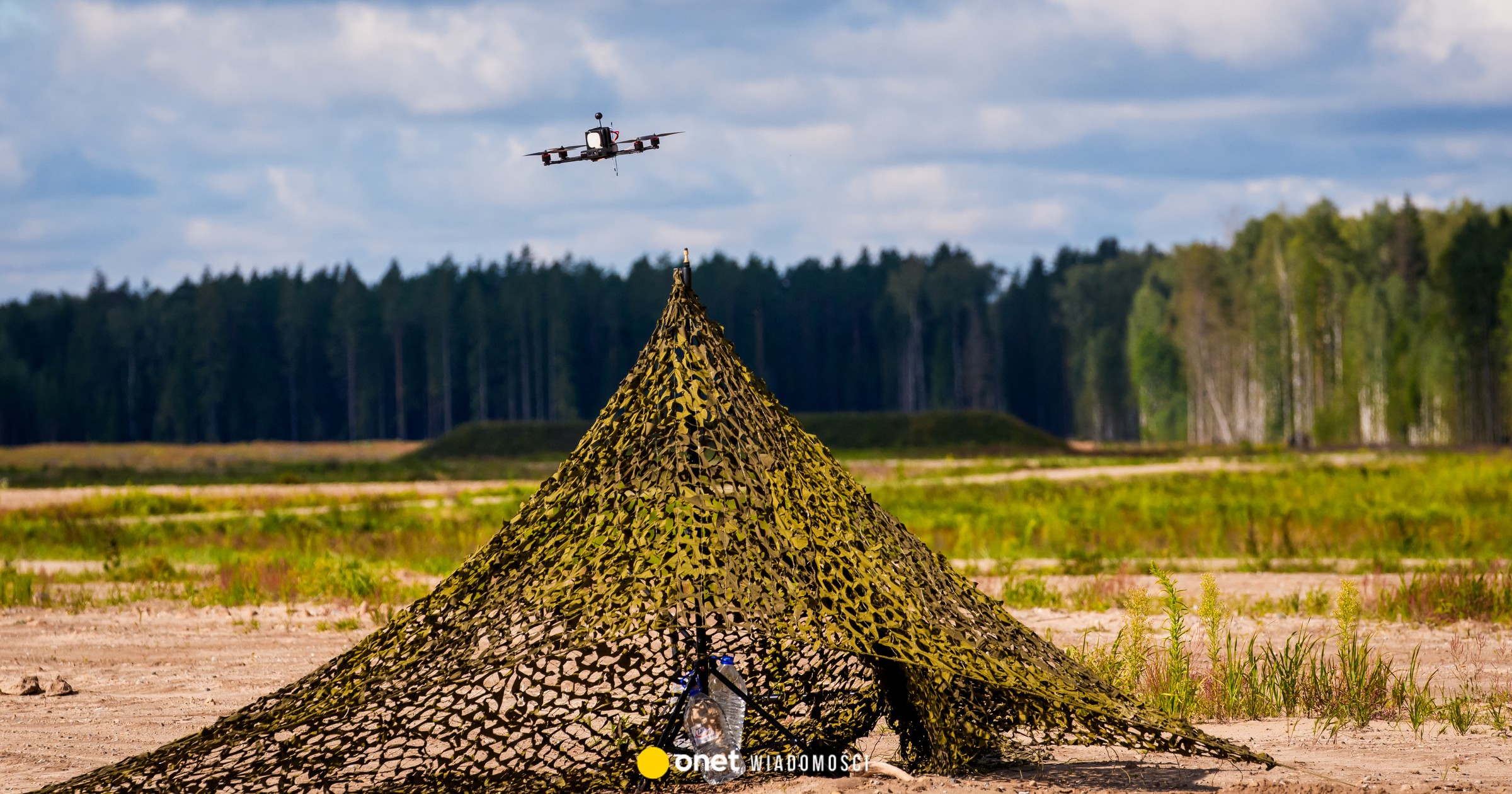
We must realize that every night there are kamikaze drones and rockets flying over the Chernobyl nuclear power plant. The danger is not just in direct hits. If a missile or drone is shot down nearby and falls in the area, the impact on the structure could be comparable to an earthquake. Then the old cover may be damaged.
The new Safe Coating was designed taking into account the region's seismic activity. And in the event of the collapse of old structures, their demolition and storage will be very difficult – due to the huge doses of radiation.
Is there a risk to residents of nearby areas?
The greatest risk is borne by workers at the Chernobyl power plant who perform maintenance work inside the facility. However, we cannot rule out broader consequences. Moreover, the air conditioning system is now practically non-functional and the new cover is no longer airtight. This may result in corrosion of expensive equipment inside the housing. Restoring these systems is a very complex engineering task. In fact, one drone jeopardized years of work by the international community. This is a very dangerous story.
How serious is the damage caused by the drone strike on February 14?
The largest hole in the structure is approximately 15 square meters. However, it must be remembered that the roof is not just sheet metal. Between the outer and inner layers of the roof there is thermal insulation and a special membrane that stops radionuclides. This membrane was burned. As a result of the fire, additional holes were created. Moreover, water was used to extinguish the fire, which constitutes an additional load on the structures and it is not known how it affected their strength. Before the drone attack, warm air was circulated between the layers of the roof to avoid condensation. And now moisture is forming there, which destroys materials containing fuel and promotes the formation of liquid radioactive waste that needs to be pumped out.
Worst case scenario? “It will also affect Europe, Belarus and Russia”
What does the development scenario look like now?
If no new impacts occur, planned works will be carried out in accordance with a three-stage program for restoring the functions of the housing. All systems planned in the project will be gradually restored. Then we can expect positive results.
And what's the worst case scenario? Could this lead to wide-scale radioactive contamination?
The worst-case scenario is to be hit by a missile or drones directly above the Stealth Object. In this case, all this dust – about 4.5 tons – could rise into the atmosphere. And then not only Ukraine will feel the effects. This will also affect Europe, Belarus and Russia. 4.5 tons of this dust is a terrible amount.
Russia is capable of anything. There are no limits. They don't care about people's lives. Therefore, it is a very serious threat. Such a scenario cannot be ruled out.