
The marshal who established himself as a key negotiator has just arrived in Tehran and brings a message from the US. What a mission he has

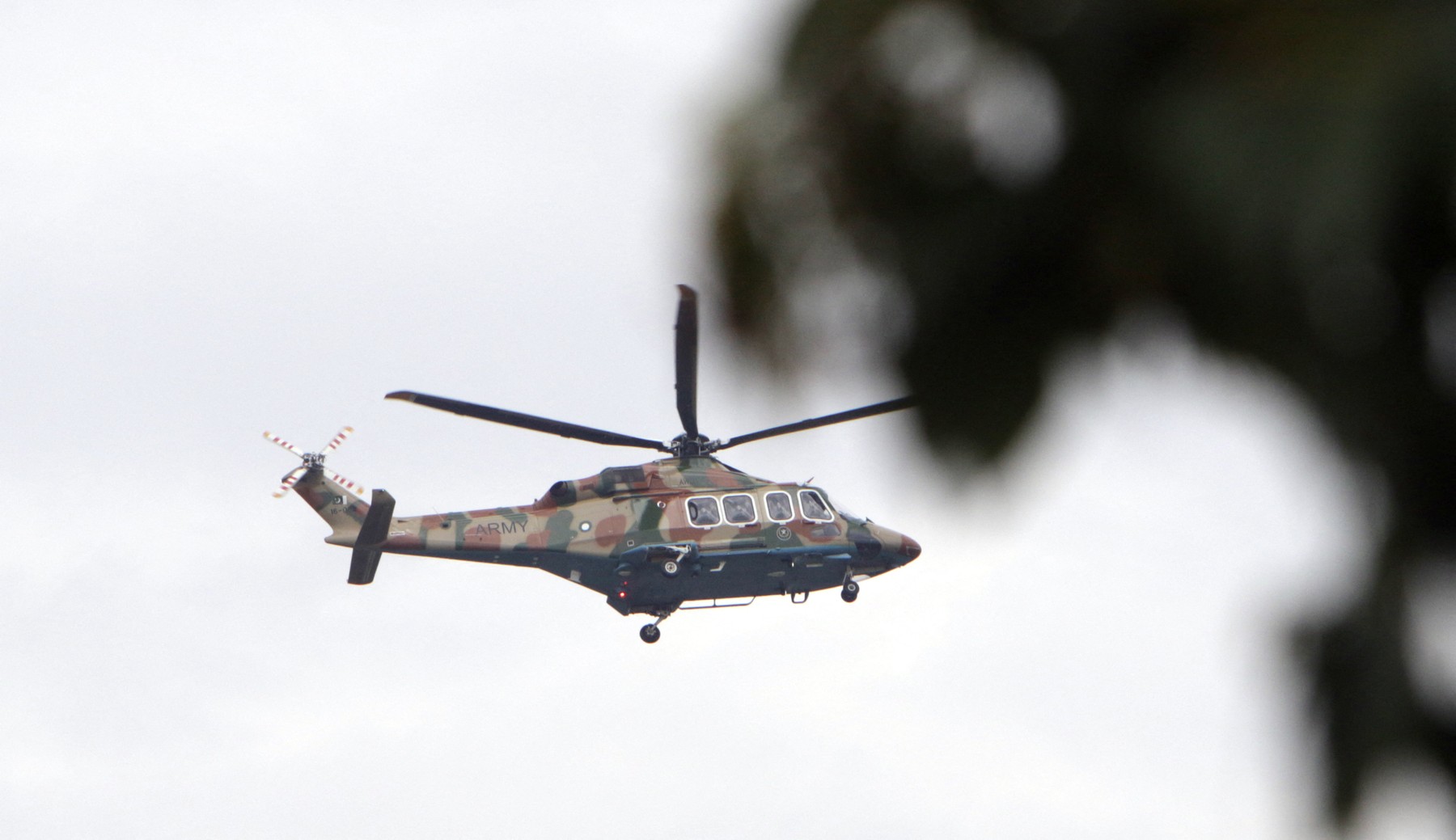
Marshal Asim Munir, the head of the Pakistani army, who has established himself as a key intermediary between the US and Iran, arrived in Tehran on Wednesday as the head of a high-level delegation, informs the semi-official Iranian news agency Tasnim, according to CNN and The Guardian.
Earlier, a senior Iranian source told Reuters that Pakistan's army chief would come to Tehran “to bridge the gap between Iran and the US” in order to prevent a resumption of war.
Munir's delegation, which will deliver a new message from Washington, will meet with Iran's Foreign Minister Abbas Araqchi and discuss “aspects related to the second round of negotiations,” Iranian public broadcaster IRIB added, citing Pakistani sources.
Pakistan's foreign ministry did not respond to CNN's request for comment. Pakistan's military also did not provide an official point of view to the Reuters news agency.
Asim Munir's meeting with Abbas Araqchi, according to Iranian media reports, comes amid a wider diplomatic offensive to organize a second round of talks between the US and Iran, after high-level meetings between the two countries late last week in the Pakistani capital (Islamabad) failed to produce any agreement.
On Tuesday, Trump said “something” would happen “in the next couple of days” in Islamabad, telling a New York Post reporter in the Pakistani capital to stay in the city.
“You should stay there (in Pakistan, no), really, because something could happen in the next couple of days, and we're leaning towards going there,” Trump said in a brief interview with the American publication.
Trump also said that Marshal Asim Munir is doing an “excellent job” in the negotiations. “It's more likely, you know why? Because the marshal is doing an excellent job. (…) He's fantastic, and therefore we're more likely to go back there,” Trump added.
The White House leader reached out to Air Marshal Asim Munir last year while Pakistan was at war with India, a conflict that ended after just four days in a US-brokered peace deal.
“Why should we go to a country that has nothing to do with this?” Trump also told The Post on Tuesday, referring to Pakistan.
Iran and the US continue to exchange messages through Pakistani mediators
Iran continues to exchange messages with the US through Pakistan after the failed negotiations late last week, Iranian Foreign Ministry spokesman Esmail Baghaei confirmed earlier on Wednesday.
There is some uncertainty about what will happen when the two-week ceasefire expires, and Esmail Baghaei, at a press conference, did not confirm that the ceasefire would be extended.
“For now, as I mentioned, the talks are continuing through a Pakistani mediator, and it remains to be seen how serious the other side really is about its claims regarding diplomacy,” he said, according to IRNA, Iran's official news agency.
“It is the United States that must prove its seriousness, as it has not only repeatedly failed to honor its commitments, but has essentially undermined the very negotiating table,” Baghaei added.
According to Baghaei, there is no new proposal from the Iranian side and no change to the original 10-point proposal presented by Tehran in the negotiations.
The main points of disagreement are not clear, but Baghaei described some of Washington's demands as “unreasonable and unrealistic”. He again insisted on Iran's right to enrich uranium for peaceful purposes.
Two major sticking points in negotiations
Iran's “10-point proposal” is a peace plan offered to the US to end hostilities. The US has proposed its own 15-point plan, which has not been fully disclosed but is believed to include Iran pledging to give up its nuclear weapons, surrender its highly enriched uranium, limit Tehran's defense capabilities and reopen the Strait of Hormuz.
On Tuesday, two people familiar with the ongoing talks between the US and Iran told NBC News that another round of face-to-face negotiations between delegations from Washington and Tehran could take place as early as this week.
The opening of the Strait of Hormuz is a major sticking point in negotiations between the US and Iran, one of the people said. Iran's nuclear capability is another sticking point, the second source said.
The US asked Iran during marathon talks in Islamabad last weekend for a 20-year moratorium on uranium enrichment, the source added. Tehran agreed to three to five years, which Trump said was not acceptable.


