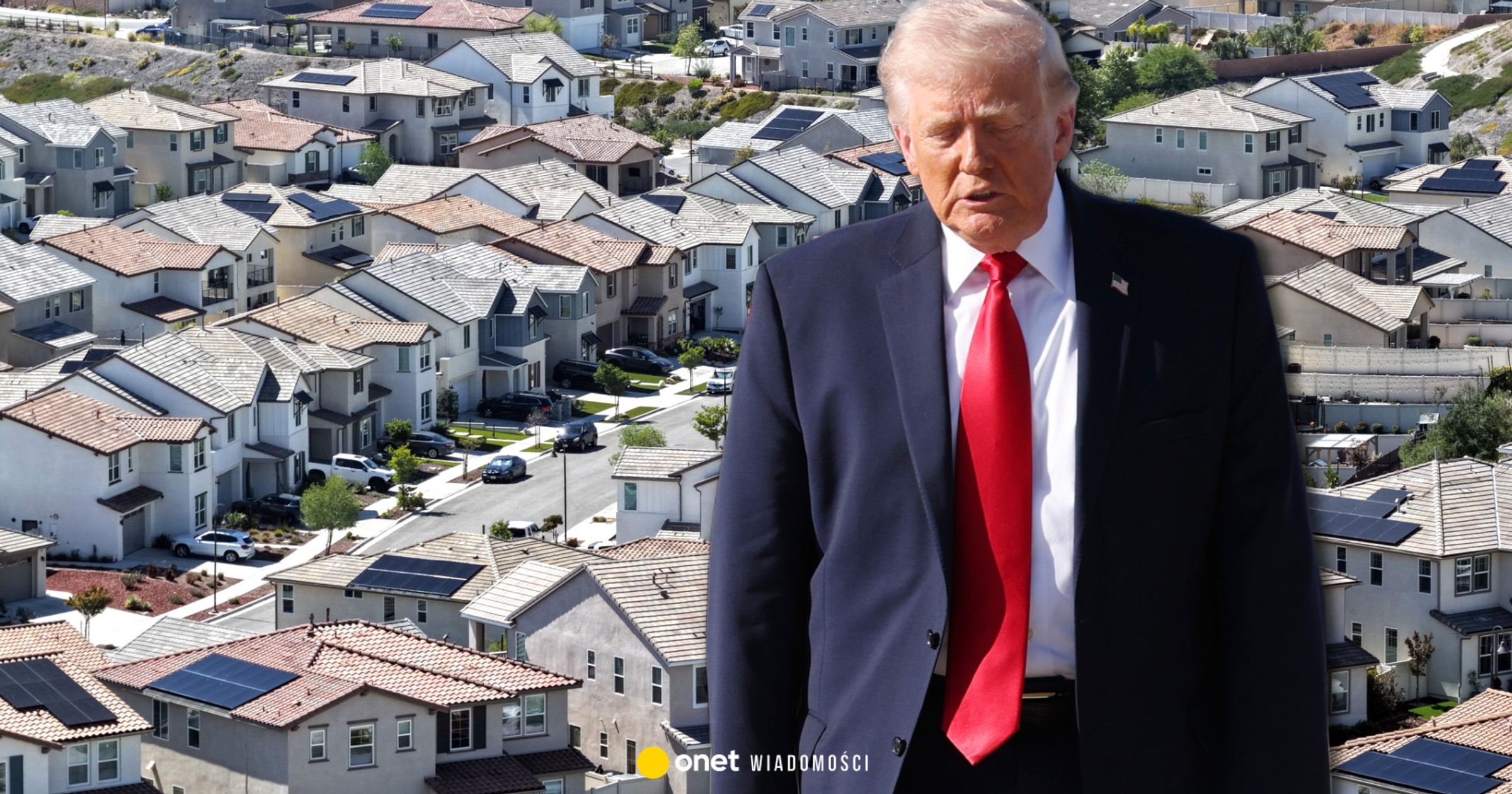
A week before the outbreak of war with Iran, the White House celebrated a drop in interest rates on new home loans to the lowest level in almost four years, viewing it as a sign of recovery in the dormant U.S. housing market.
Less than two months later, the outlook had deteriorated rapidly.
Mortgage rates have risen by almost half a percentage point since Iran closed the Strait of Hormuz, sending shockwaves through global supply chains, pushing up consumer prices and raising the risk of a recession.
Sales of existing homes fell to their lowest level in nine months in March, the National Association of Realtors reported Monday. Meanwhile, applications for new mortgage loans have fallen for four consecutive weeks, just as the spring home buying season typically begins. Consumers are out there more pessimistic than at the height of the pandemic.
“People are worried,” says Mike Simonsen, chief economist at real estate agency Compass. — I talked to 500 agents on the phone today and this was by far one of the most repeated comments: we are worried about war. We are worried about what will happen because of the war.
The market slowdown is a clear signal that how the conflict in the Middle East affects the economy in real timeeven as the Trump administration downplays its long-term effects. Housing affordability was the top cost-of-living issue that dogged Republicans in the last election, and anything that holds back would-be homebuyers will pose a threat to President Donald Trump and GOP leaders heading into the midterms.
Trump has sought to address the housing affordability crisis through executive actions aimed at cutting red tape on new construction projects and promoting access to mortgage loans through community banks. Earlier this year, at the president's direction, housing giants Fannie Mae and Freddie Mac purchased $200 billion in mortgage-backed securities. (PLN 720 billion), trying to lower mortgage interest rates. On Monday, the White House released an economic report highlighting how the chronic shortage has deepened the housing supply crisis.
However, the war with Iran puts pressure on American consumers, which will further weaken the housing market.
“Very unfavorable situation”
“Interest rates are rising again, especially since the conflict with Iran, because of the threat of inflation from higher oil prices,” says Stephen Moore, a former Heritage Foundation economist who served as an unofficial adviser to Trump for years. — The problem with higher mortgage rates is that it hurts both the seller and the buyer, so the only person who benefits is the bank. This is a very unfavorable situation, he explains.
“If Republicans win politically, they will have to convince Americans that this short-term pain is worth any long-term gains they will gain from defeating Iran,” Moore adds. However, as he emphasizes, with the complete suspension of traffic in the Strait of Hormuz, “it does not look like a victory.”
U.S. President Donald Trump speaks to reporters after arriving at Joint Base Andrews, Maryland, April 12, 2026.Jim Watson/AFP / AFP
The early market reaction to the president's ceasefire with Iran was positive. But the talks failed to establish the basis for lasting peace, and Trump's subsequent blockade of maritime traffic in the strait will further strain global oil supplies. This may put pressure on an increase in the yield of long-term bonds, which will affect the valuation of mortgage loans.
In a statement, White House spokesman Davis Ingle emphasized that the president “has always been clear about the short-term disruption caused by Operation Epic Fury, but remains committed to his long-term housing affordability agenda.”
Trump's Council of Economic Advisers estimated the U.S. housing shortage for approximately 10 million premises — a much larger gap than previous estimates by national housing experts — and recommended a series of state and local policy changes to streamline operations and cut through bureaucratic hurdles that can slow home construction.
The housing affordability crisis was severe enough to pave the way for bipartisan legislation. In February, members of the House of Representatives passed by an overwhelming majority a bill aimed at modifying housing programs, expanding the offer of prefabricated houses and cheap apartments, and increasing lending by local banks.
The article continues below the video
The chairman of the Senate Banking Committee, Republican Tim Scott, and the committee's top Democrat, Sen. Elizabeth Warren, have passed a separate housing bill that includes a Trump-backed provision limiting Wall Street-backed companies from buying up single-family homes. House and Senate leaders can't agree on how to reconcile the two bills.
The war with Iran has complicated Republicans' ability to use housing policy as evidence that they are serious about solving long-standing cost of living problems, according to GOP strategist Doug Heye.
“Overwhelmingly, what I hear from Republicans on Capitol Hill is what they want to talk about,” he emphasizes, adding that the effects of the war deepened existing problems related to housing availability. “It's just not a conversation they can have, given everything the administration is throwing at them,” he says.
“People are forced to tighten their belts”
Before the war, the housing market showed signs of recovery. While mortgage rates have fluctuated due to geopolitical shocks, they have generally trended downward over the past year. Mortgage originations were forecast to increase in 2026, housing affordability rates were improving and Federal Reserve officials were expected to lower short-term interest rates as the impact of Trump's tariffs on inflation rates faded.
Jake Krimmel, senior economist at Realtor.com, emphasizes that mortgage rates are still low compared to recent spring buying periods. In his opinion, buyers who are not discouraged by recent events “probably have the best spring real estate market ahead of them, at least on paper.”
A surge in oil prices may have limited long-term economic effects if it is short-lived. White House representatives argue that prices will fall quickly after the Iran crisis is resolved and the real estate market will recover.
However, the longer oil and gas prices remain high, the greater the likelihood that inflation will spread to other sectors of the economy.
So do Wall Street economists are increasing their forecasts regarding the likelihood of a recession. The prospect of an economic slowdown and rising consumer prices will make it much more difficult to convince potential homebuyers to make the decision.
— It's not just mortgage rates that make a deal happen [zakupu domu] is less profitable today than it was six weeks ago. The point is also that people are probably forced to tighten their belts a bitwhen it comes to spending on everything else, notes Krimmel. — Raising funds for a down payment is now a bit more difficult than before.
I’m Ashley Davis as an editor, I’m committed to upholding the highest standards of integrity and accuracy in every piece we publish. My work is driven by curiosity, a passion for truth, and a belief that journalism plays a crucial role in shaping public discourse. I strive to tell stories that not only inform but also inspire action and conversation.