April 14, 1888
On this day, Anatoly Fedorovich Bolshakov (Musin), a participant in the Civil War, chairman of the executive committee and military commissar of the Birsky district of the Amur region, was born in the village of Sumy, Yaroslavl province.
Bolshakov (Musin) Anatoly Fedorovich. Photo: Photo: Regional Library
Anatoly graduated from the zemstvo school. As a 15-year-old teenager, he went to St. Petersburg to earn money. In the revolutionary movement since 1904. In St. Petersburg he worked as a literature distributor. In August 1907, he was arrested and after 8 months of imprisonment, he was sent to his place of registration in the village of Sumy, Yaroslavl province, under public supervision for two years. He escaped in July 1909 and worked in Uglich. In March 1910, he was sentenced to 10 years of hard labor; he served his sentence in Butyrka and Yaroslavl. In a settlement in Transbaikalia since 1916, he fought on the Ussuri Front. When the Far East was captured by the Japanese and White Guards, he moved to the village. Birakan, lived there under the name Musin. In 1919, he created a partisan group in the Obluchye region, and according to other sources, he himself was a partisan of the Kuldur detachment of F. Vorobyov. After the death of the detachment commander F. Vorobyov, he headed the Kuldur partisan detachment.
In January 1920, Bolshakov's detachment, replenished with 60 people, entered Obluchye and forced Japanese troops to leave the village. The detachment later operated in conjunction with the 1st NRA Regiment.
In 1920, Anatoly Fedorovich Bolshakov was chairman of the executive committee and military commissar of the Birsky district of the Amur region, and in 1923 he held senior command positions. In the Soviet years – personal – pensioner. Died after 1963.
April 14, 1961

Clippings from the newspaper “Birobidzhan Star”. Photo: Photo: Regional Library
There are hundreds of creative people at the enterprises of the Jewish Autonomous Region; they are actively improving the labor process, modernizing equipment, and improving technology. In order to more successfully solve the problems of technical progress, innovators join forces. On April 14, 1961, a regional conference of innovators was held in Birobidzhan.
The newspaper published an ADDRESS from the participants of the regional conference of innovators and inventors to all workers, engineers, technicians and employees of industry, construction, communications, transport and agriculture of the Jewish Autonomous Region.
“…In the second year of the seven-year plan, they contributed more than 1 million rubles to the savings fund. In our region, the names of innovators Klimenko, Ivannikov and Voloshchenko from the Khinganolovo plant, Glik, Tkachenko and Varivodova from the power transformer plant, Selchuk, Masaedova and Belyuga from the Teploozersky cement plant, Soiko and Glinsky from the Dalselmash plant and many others. We, participants in the regional conference of innovators and inventors, call on all workers, engineers, technicians and employees to join the ranks of innovators, to contribute to the noble cause of identifying and using new production reserves. Let us ensure that by the end of the seven-year period, every tenth worker in industry, transport, agriculture and construction will become an innovator and inventor.
We call on the region's innovators to contribute at least 1.2 million rubles to the seven-year plan fund in 1961, and 7.5 million rubles by 1965.
The conference recommends that heads of enterprises, trade union organizations, primary organizations of VOIR create creative teams, public design bureaus, experimental sites, hold mass shows and competitions, improve the promotion of the achievements of innovators and inventors, and provide the necessary conditions for creative work…”.
April 14, 1981

Clippings from the newspaper “Iskra Khingan”. Photo: Photo: Regional Library
The newspaper of the Obluchensky district “Iskra Khingan” (12+) wrote on April 14, 1981 that for the successes achieved in fulfilling the tasks of the tenth five-year plan and socialist obligations, the Presidium of the Supreme Soviet of the USSR awarded orders and medals of the USSR to the workers of the Obluchensky district:
- ORDER OF THE OCTOBER REVOLUTION: Savelov Boris Ivanovich – excavator operator at the Teploozersky cement plant;
- ORDER OF THE RED BANNER OF LABOR: Vitaly Fedorovich Sukhanov – director of the Teploozersky Cement Plant; Shevchuk Klavdiya Anatolyevna – raw mill operator;
- ORDER “BADGE OF HONOR”: Natalya Vasilievna Sysoeva – cement mill operator at the Teploozersky cement plant; Shvetsov Alexander Andreevich – energy engineer at the Teploozersky cement plant;
- ORDER OF LABOR Glory II DEGREE: Nemova Valentina Ivanovna – wrapper of elements of electrical machines at the Teploozersky cement plant;
- ORDER OF LABOR Glory III DEGREE: Alexander Grigorievich Mazur – excavator operator at the Teploozersky Cement Plant.
April 14, 1992
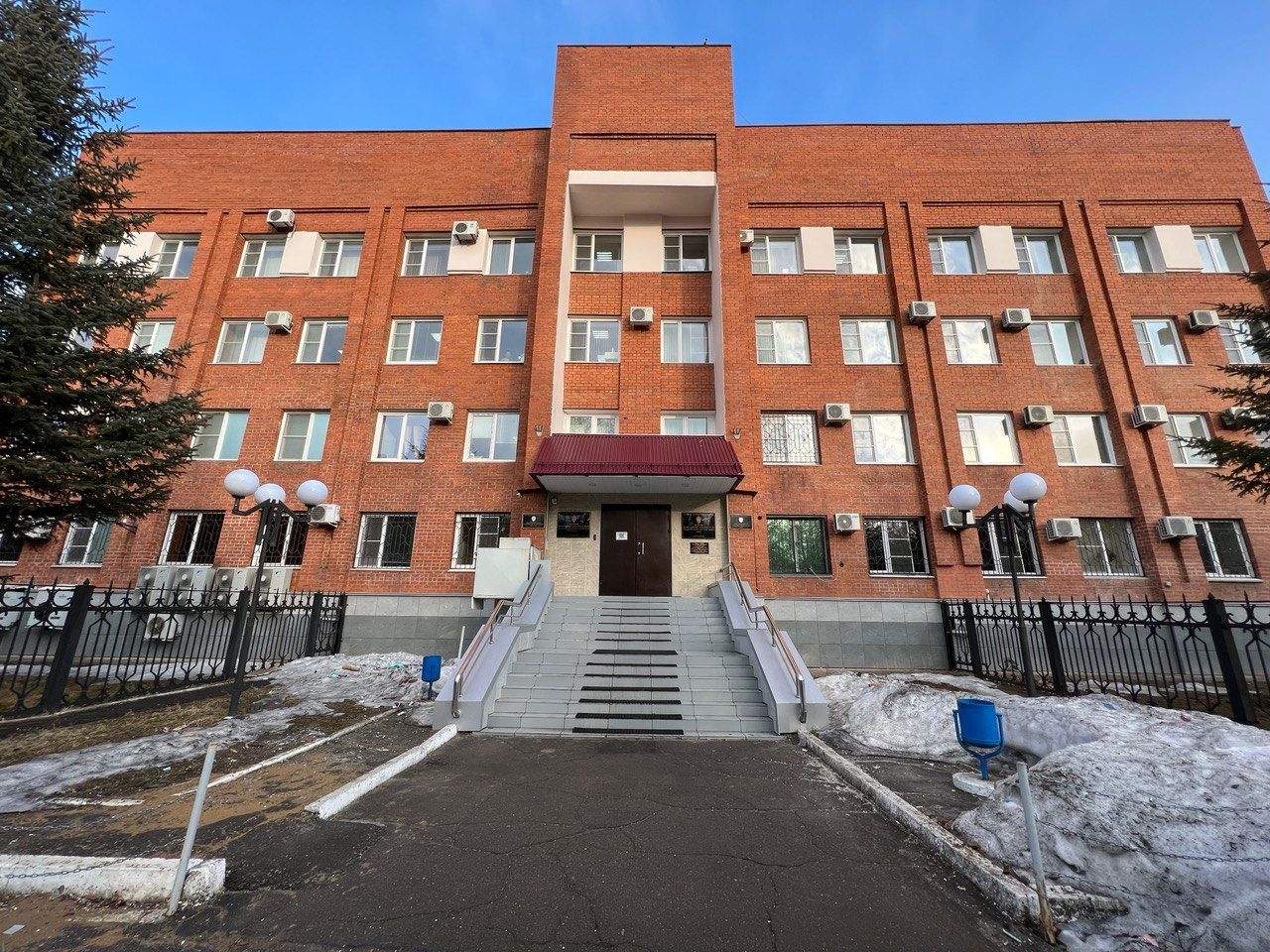
On April 14, 1992, the Minister of Security of Russia Viktor Pavlovich Barannikov signed an order on the formation of an independent Directorate of the FSB of Russia for the Jewish Autonomous Region.
Today, FSB agencies in the territory conduct active counterintelligence activities, ensure the economic security of the country, suppressing corruption and fraudulent transactions in the credit and financial sphere, leakage of state secrets, and the activities of criminal groups. The fight against espionage activities also remains one of the priorities of the FSB Directorate for the Jewish Autonomous Region. The most important thing in the work of the FSB remains the fight against terrorism.
Over the past years, employees of the FSB have been awarded state awards, some were awarded the title “Honorary Counterintelligence Officer.”