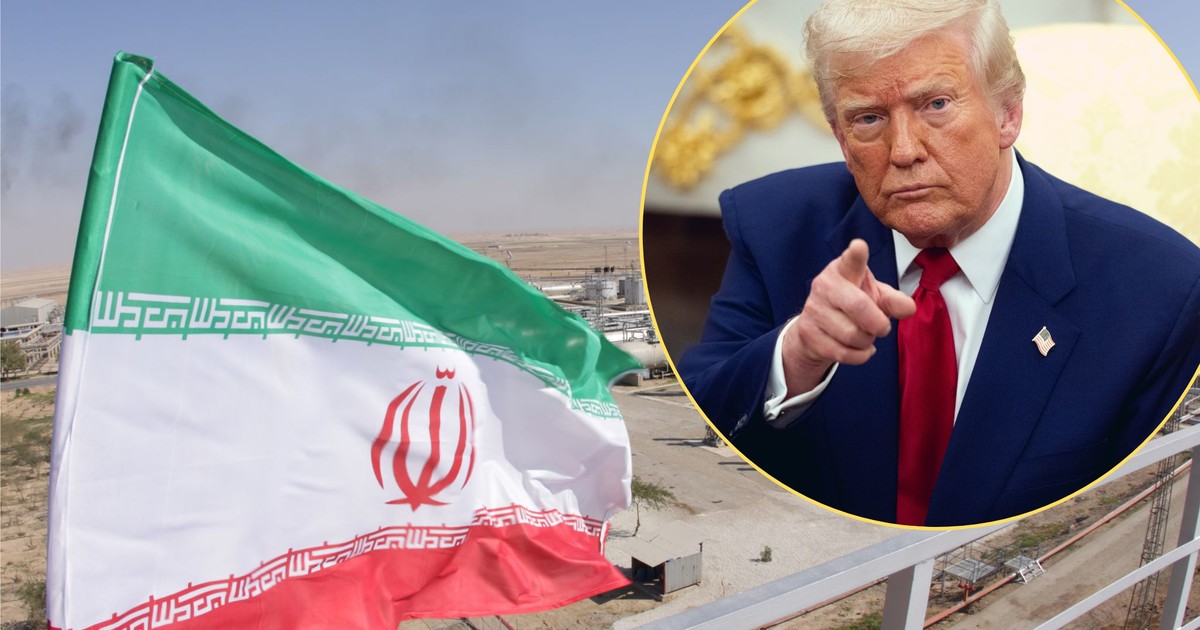
Donald Trump believes that economic problems will achieve what weeks of airstrikes failed to achieve: they will break Tehran's will and force it to make concessions. By blocking Iranian ports, the United States is opening a new chapter in this war, testing Iran's pain threshold, writes CNN.
See also: The end of pre-war oil. The last tankers are approaching the ports
“Iran has several options to offset the economic impact of the US blockade, but their overall impact is uncertain.” Hasan Alhasan, senior research fellow for Middle East policy at the International Institute for Strategic Studies in Bahrain, told CNN.
As the expert added, Tehran may strive to increasing oil and gas exports via alternative routes bypassing the Strait of Hormuz.
Alhasan estimated this could include gas exports via pipelines to Iraq, Turkey and Armenia or crude oil exports through the Neka oil terminal in the Caspian Sea.
“Iran could also increase fuel smuggling across its long land border with Pakistan or circumvent the blockade by mixing its own oil with Iraqi oil, as it has done in the past,” Alhasan noted.
In addition Iran may choose a military pathcarrying out attacks on US warships or encouraging the Houthis in Yemen to try to block the Bab al-Mandab Strait.
Red Sea
|
PAP/Michał Czernek / PAP/photos
Strait of Bab al-Mandab (“Gate of Tears”) off the coast of Yemen is a key point for maritime traffic towards the Suez Canal. The likelihood of its closure increased after Yemen's Houthi rebels entered the war on Iran's side.
Fuel smuggling from Iran
As dw.com writes, smuggling of cheap Iranian fuel has long provided a living for the inhabitants of southwestern Pakistan, especially in remote border regions such as Baluchistan.
Fuel is cheaper in Iran thanks to subsidies. They can be sold at a higher price in Pakistan.
The 2024 report revealed that Nearly 10 million liters of Iranian gasoline and diesel were smuggled into Pakistan daily by land and sea..
Since the outbreak of the war in Iran after the US and Israeli attacks on February 28, several border crossings between Pakistan and Iran have been restricted due to tighter security measures. For many fuel carriers, this means the loss of their only source of income, writes dw.com.
The US blocks the Strait of Hormuz and Iranian ports
Iran allows some tankers to pass through the strait, charging a crossing fee that is said to be as high as $2 million. for the ship.
The regime in Tehran has opened a path for countries it considers “friendly”. The list of such countries includes: China, Russia, India, Iraq and Pakistan.
Donald Trump announced that the US Navy would begin blockading Iranian ports and seizing all ships from which Tehran collected a fee, after an impasse during the US-Iran peace talks last weekend.
The blockade began on Monday, and Donald Trump warned that Iranian ships that came close to the blockade would be liquidated.
Meanwhile, the Islamic Revolutionary Guard Corps (IRGC) warned that any military units trying to approach the Strait of Hormuz “will be met with harsh and decisive treatment,” the semi-official Fars News agency reported.
Source: CNN, dw.com