The elections in Hungary are monitored until the end of the electoral process by the mission of the Office for Democratic Institutions and Human Rights (ODIHR), an OSCE institution whose aim is to assess whether the elections are conducted in accordance with OSCE standards and national regulations.
During Monday's press conference in Budapest on the preliminary findings and conclusions of the monitoring mission, it was reported that all stages of the electoral process were assessed positively “in the vast majority of polling stations observed, despite some procedural shortcomings.”
— Record turnout was recorded in the parliamentary elections in Hungary, but there were no equal opportunities, and the ruling party benefited from systemic advantages that blurred the line between the state and the party, the coordinator emphasized.
This is how Fidesz disrupted the election campaign
Among the actions that undermined equal opportunities for candidates, Chandanjan mentioned, among others: Fidesz's disruption of the campaign through “divisiveness and fear-mongering, including unfounded accusations of foreign interference by the government”, serious abuse of public positions, government resources and communications, clearly biased media monitoring in favor of Fidesz, and serious shortcomings in the regulation of campaign finance. He also drew attention to the insufficient efforts of the authorities to counteract disinformation.
—The ruling party used government power to maintain its advantage. The legal framework for elections does not meet a number of international standards for democratic elections. Moreover, electoral bodies, the judiciary and public media are systemically not impartial. Fidesz largely abused public power and administrative resources. However, despite this framework, the campaign was very active, visible and competitive, Chandanjan said.
The OSCE Special Coordinator added that the Hungarian electoral administration operated efficiently, managed the preparations professionally and – despite the above-mentioned obstacles – candidates were able to campaign freely.
The head of the delegation of the OSCE Parliamentary Assembly, Rupa Huq, emphasized that “the inability of public media to provide balanced information is worrying.” — Public media coverage was biased, significantly favoring the government and the ruling party – she added. She cited as examples the failure to organize a candidate debate, as well as the lack of coverage of Friday's anti-government concert in Budapest, which gathered tens of thousands of people.
ODIHR mission chairman Eoghan Murpchy said the lack of a clear prohibition on the misuse of official and administrative resources for campaign purposes “does not provide a fair basis for candidates.” Moreover, he said, Fidesz's message was repeated in government information campaigns and by state-owned bodies and enterprises, and voters' personal data were improperly used for campaign purposes.
The ODIHR core team began its monitoring mission in Hungary at the end of February and will remain there until April 22. At the end of the mission, ODIHR is expected to publish a report with recommendations to improve the electoral process for future elections.
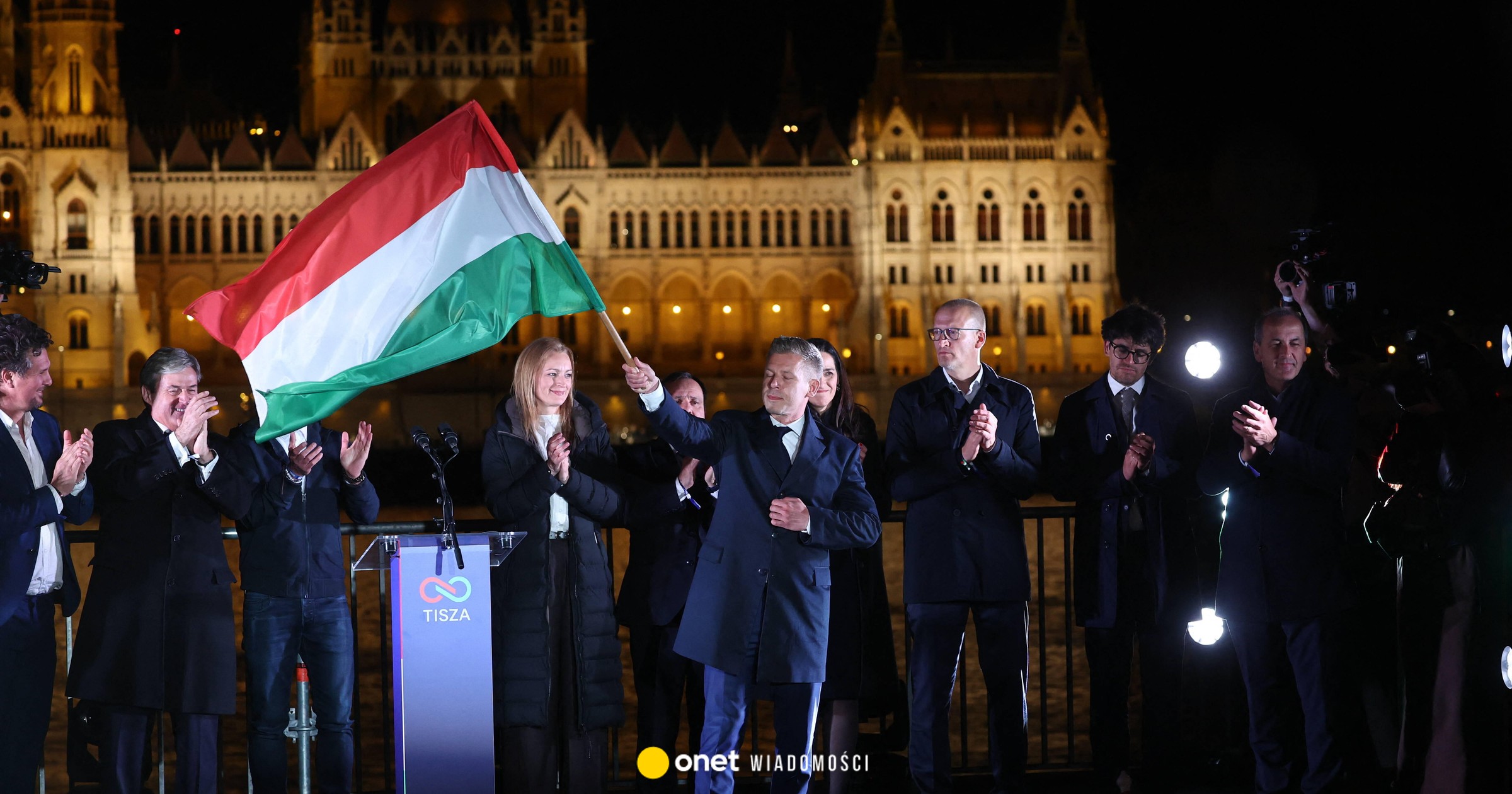
According to the results based on almost 99 percent. After counting the votes, TISZA can count on 138 seats in the 199-seat Hungarian parliament, which gives it a two-thirds constitutional majority. The Fidesz-KDNP coalition led by Viktor Orban received 55 seats. The far-right Mi Hazank will also enter parliament and can count on six seats. Almost 80 percent took part in the vote. voters, i.e. almost 6 million people.