Tom Clifford is an experienced Irish journalist who has worked in the Far East.
It all depends on perspective. What we in the West call the Middle East, the Chinese call the Middle West.
China may not be the center of the world, but in May – at least in the eyes of its own citizens – it will be at the center of world politics. Not one, but two world leaders are scheduled to visit the country this month.
Preparations for a double visit are underway in the Chinese capital – Russian President Vladimir Putin will arrive in Beijing right after US President Donald Trump. His visit was planned in February. Trump was scheduled to arrive earlier, but his arrival was postponed due to events in the Middle East. A bitter truth awaits both leaders there.
China has overtaken Russia in terms of economy and influence. Putin will, of course, be welcomed in Beijing politely, even warmly, but he will have no doubt who has the advantage. The United States remains the dominant power in relations with China, but history seems to support the view that this century will belong to China.
At least that's how they see it in Beijing. Even taking into account the potential risk of future conflict with Taiwan, China is a tempting market for many investors – or at least that is the illusion it creates.
US return
China, which almost went to war with Russia in 1969, now views it almost as a vassal state, at least in terms of its waning economic power. This tendency could be noticed long before the sanctions imposed on Russia by the West.
Wars are expensive, and Americans' pockets are not as deep as they once were. Let us not forget that Ukraine is fighting a just war, taking up arms against the invader. However, this does not guarantee it the support of the West.
The U.S. State Department has informed allies that munitions shipments to Ukraine, including Patriot air defense interceptor missiles, may face some obstacles, European officials said anonymously.
The article continues below the video
The US public debt is approximately $36 trillion. (approx. PLN 130 trillion). According to conservative estimates, the war with Iran has already cost the country at least $11 billion. (approx. PLN 40 billion), and there is no end in sight yet.
Trump's turning away from Ukraine and Europe is more than the undisciplined mumbling of a man with no regard for history or statecraft. And this is a big problem — for Ukraine and for Europe in general. Budget concerns make it difficult for Americans to conduct foreign policy. The dollar may have a dominant position, but it is unstable. Washington needs to watch out for him.
American foreign policy experts put relations with Ukraine in a lower category than relations with China. Relations with Kiev, as well as the current war with Tehran, involve expenses. There are fears that Trump may even abolish the mechanism that allows European countries to pay for American weapons on Ukraine's behalf. The US president's threats to halt arms shipments to Kiev unless European allies help reopen the Strait of Hormuz have not improved his country's global position.
Benefit for Ukraine
Both Russia and the USA are weakened – the former militarily, the latter in terms of image. The strategic beneficiary of this situation is China, but Ukraine may also benefit from it.
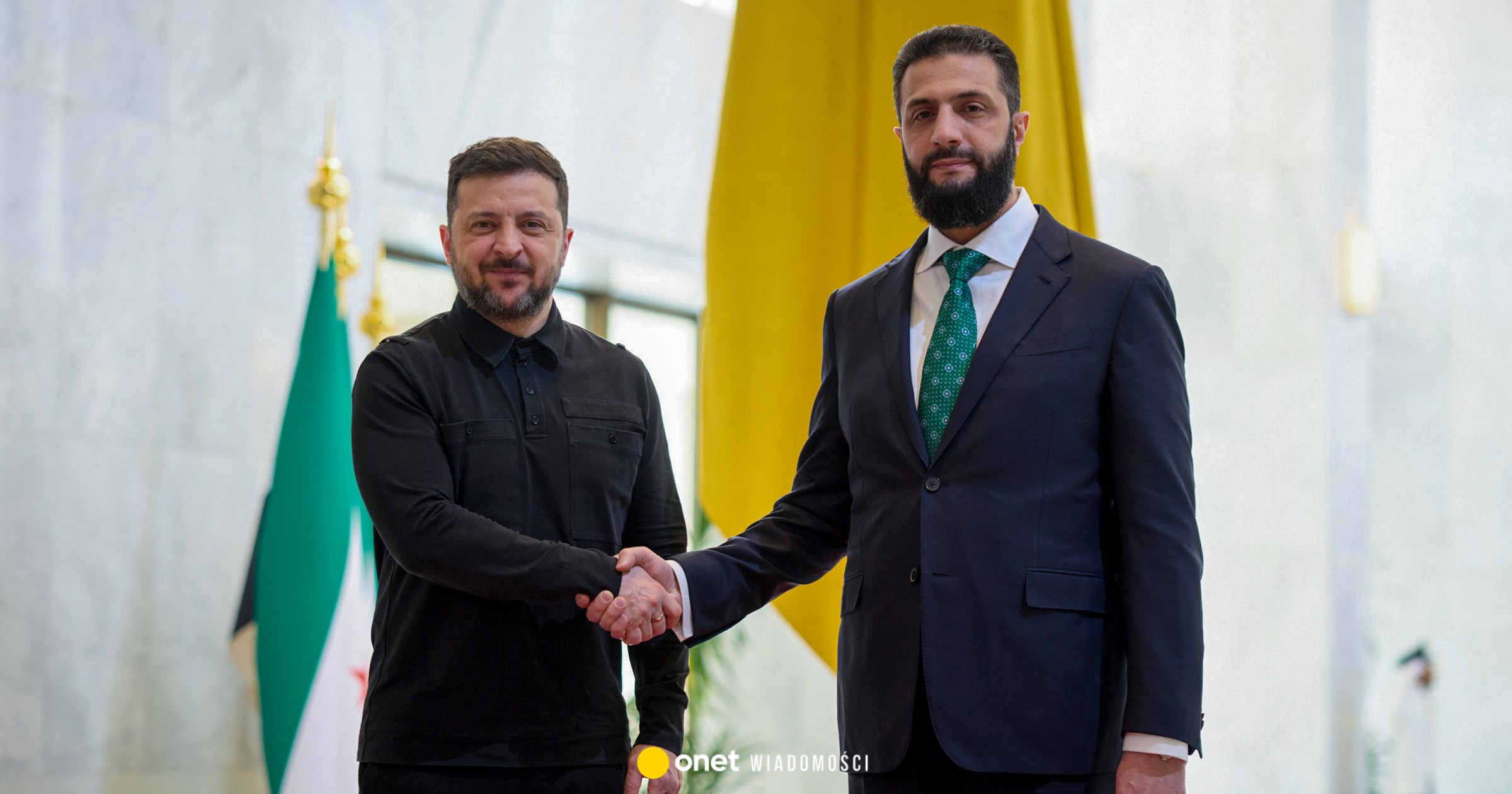
President Volodymyr Zelensky's recent visit to the Middle East helped create a coherent narrative regarding both conflicts by signing agreements to provide drone technology and anti-drone systems and training to Qatar, Saudi Arabia and the United Arab Emirates [kraje te utrzymują dobre lub pragmatyczne relacje z Rosją].
The leaders of the Persian Gulf countries realize that they must rely on themselves and not completely rely on U.S. firepower for their defense. In this sense, Ukraine is an ideal allybecause he shares his experience. One theater of war provides lessons for another.
The Gulf countries can now clearly be considered Ukraine's allies, refuting Trump's repeated claim that Kiev has “no cards” in the war with Russia. By the way, morality is a strong card in any hand.
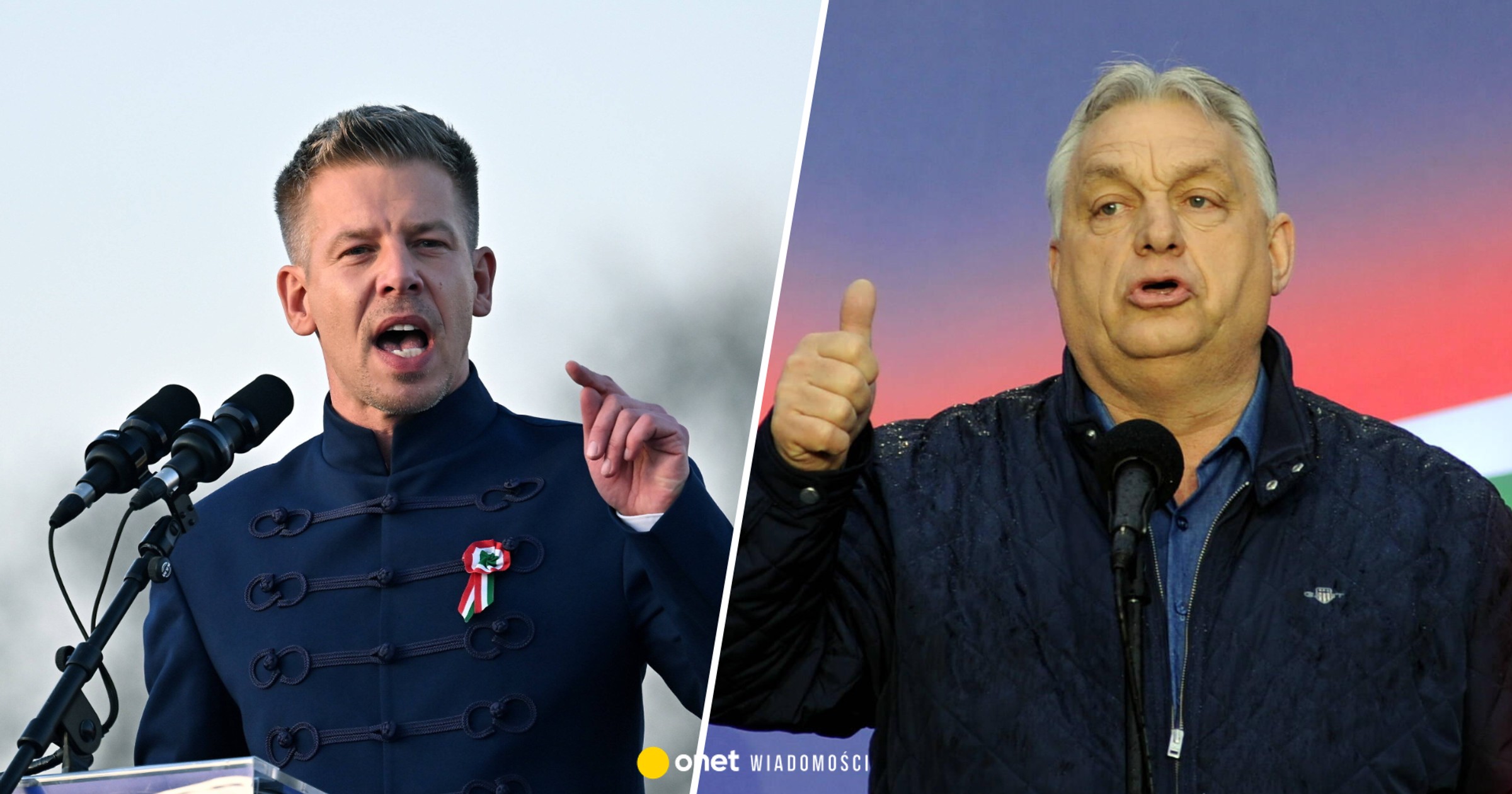
One of the concrete effects of this new situation is that the Gulf countries can provide a funding stream for the Ukrainian arms industry at a time when EUR 90 billion (PLN 326 billion) of EU funds have been blocked, at least for now, by Hungary.
At the beginning of the US and Israeli attack on Iran, no one predicted that it would mean anything other than a bleak future for Ukraine. The perspective has changed.
I’m Ashley Davis as an editor, I’m committed to upholding the highest standards of integrity and accuracy in every piece we publish. My work is driven by curiosity, a passion for truth, and a belief that journalism plays a crucial role in shaping public discourse. I strive to tell stories that not only inform but also inspire action and conversation.