Signals from the Strait of Hormuz. More ships are heading to the area even as the US-Iran negotiations unfold

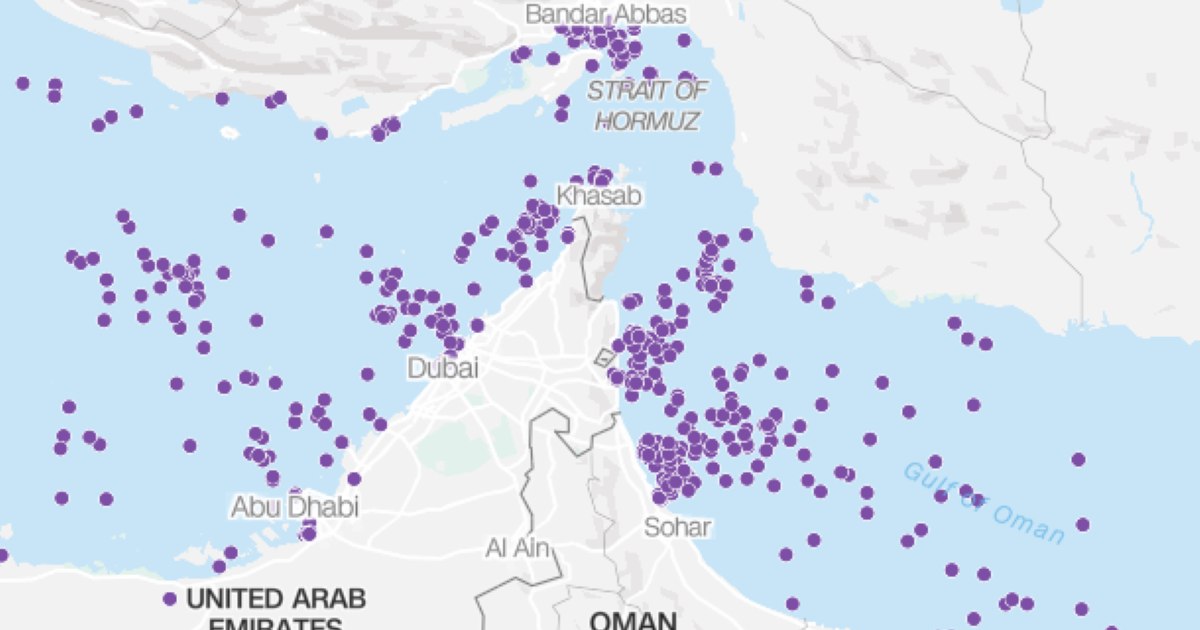
More ships are heading for the Strait of Hormuz as peace talks between Iran and the United States are set to begin in Islamabad, according to maritime traffic monitoring data.
Several ships are heading for the strait even during the negotiations. PHOTO: Marine Traffic
Several ships, mostly from China, have already transited the strait or are moving from the Persian Gulf to this route, according to information published by the MarineTraffic website. even during the talks taking place on Saturday, April 11, between Iran and the US,
A Chinese bulk carrier passed through the area overnight after leaving the Iraqi port of Umm Qasr almost a month ago. At the same time, two Chinese oil tankers, each with a capacity of about 300,000 tonnes and marked as loaded, were heading towards the strait on Saturday. Both were sailing near Iranian coasts.
And a Botswana-flagged liquefied natural gas carrier, called the Nidi, is making a second attempt to leave the Gulf after turning off course on Friday morning.
However, traffic remains well below normal, representing only a small fraction of the normal flow of around 100 ships per day.
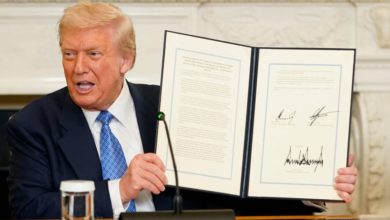
On Thursday, US President Donald Trump said that “Iran is doing a very bad job, some would say shameful, of blocking oil through the Strait of Hormuzz. This is not the deal we have!”Trump wrote on social media.
Iran's Tasnim agency reported on Saturday, in a material published from Islamabad, that Iran
“maintained the current conditions for the transit of oil tankers through the Strait of Hormuz”in response to what Tehran says are violations of the cease-fire agreement by the US, including continued Israeli attacks on Hezbollah in Lebanon.
Iran has said ships can only pass through the strait with its approval.