Protests against fuel price increases in two European countries. One of them is a major oil producer

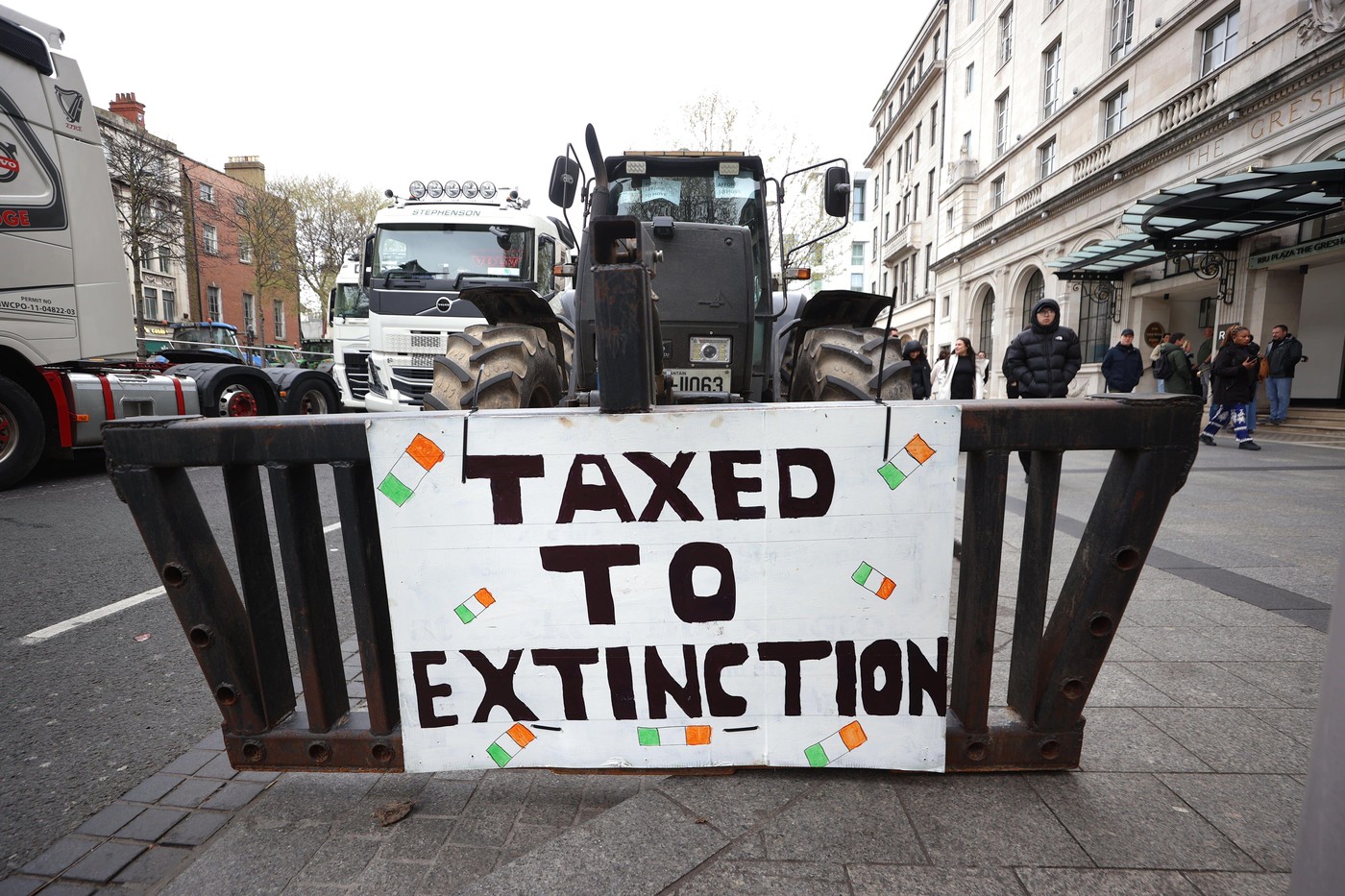
Protests against fuel prices reached their fourth day and caused chaos in Ireland, but they spread to Norway, as a side effect of the conflict in the Middle East, reports The Guardian, taken over by News.ro.
Transporters, farmers and other groups blocked highways and paralyzed parts of Dublin on Friday, the fourth consecutive day of action. In Ireland, protests caused fuel shortages and transport disruptions, and in Norway, truck drivers taking part in the “Diesel Cry” protest invaded the capital.
Irish Army, put on alert
The Irish government put the army on alert to help clear the blockades and police warned some protesters to disperse or face arrest, sparking defiance and threats to continue the disruption for weeks if necessary.
The protests are putting the supply of food, fuel, drinking water and fodder at risk, the police, An Garda Síochána, said in a statement. “This is intolerable and against the law,” the authorities said. Government leaders accused the protesters of keeping the country “blackmailed”.
The blockade of ports and a refinery meant Ireland was on the verge of refusing oil deliveries and losing its supply, Prime Minister Mícheál Martin told RTÉ. “It is unacceptable, it is illogical”, he was indignant.
Last month, the Irish government announced a package of measures worth €250 million to reduce fuel costs, including a temporary cut in excise duty, the extension of a diesel refund program for hauliers and bus operators and an extension of the fuel allowance.
Blockages at Ireland's only oil refinery at Whitegate, County Cork, and at fuel depots in Galway city and Foynes, County Limerick, have crippled supplies. Dozens of gas stations ran out of stock and warnings were issued as drivers rushed to fill up their gas and diesel tanks.
“The government is blackmailing the country, not the protesters”
Truckloads of tractors and other vehicles blocked highways and Dublin's main thoroughfare, O'Connell Street. The Irish Medical Association said slower response times for emergency services and missed medical appointments will affect the well-being of patients. The courier company DPD has suspended deliveries.
Protesters were prepared to remain in the capital for weeks, a spokesman, John Dallon, told RTÉ. “If it takes a month, we are ready to stay here,” he said.
He accused the government of ignoring the plight of people facing hardship and ruin due to fuel costs. “How dare they come forward and say that these people who are protesting are blackmailing the country? It is the government that is blackmailing this country, not the protesters,” said the representative of the protesters.
Despite the mitigating measures taken by the government, in recent weeks the price of diesel has increased from 1.70 euros per liter to 2.17 euros, and that of gasoline has jumped from 1.74 euros to 1.97 euros.
Justice Minister Jim O'Callaghan said “external actors”, such as British far-right activist Tommy Robinson, were manipulating the protests for their own benefit.
Truck convoy to Oslo Parliament
In Norway, protesters led a convoy of trucks to the parliament in Oslo on Friday. About 70-80 trucks, some with banners reading “nok er nok!” (enough!), they joined another group known as Dieselbrølet (Dieselbrølet). Only a few trucks were allowed to enter the capital.
Norway cut fuel taxes on April 1, but carriers say they need more predictable and lower prices. Although an oil producer, fuel prices in Norway have skyrocketed since the effective closure of the Strait of Hormuz. Statistics Norway said the price of fuels and lubricants rose by 17.9% from February to March.
A spokesman for Statistics Norway said there had never been a sharper monthly increase in fuel prices, using the CPI inflation index. “The last time we noticed something similar was in the spring of 2022, following Russia's large-scale invasion of Ukraine, but in that case the price increase occurred over two consecutive months,” the official said.
The surge in oil prices since the US and Israel began attacking Iran on February 28 has roiled global markets and sparked protests from consumers and businesses who want governments to do more to cushion the impact.