A traffic jam forms outside a café in a suburb east of Tel Aviv. The familiar afternoon traffic slowdown gets even worse as school ends. It hasn't been part of everyday life for a long time. Since the official ceasefire, children are back in pews for the first time and their parents behind the wheel, jostling bumper to bumper through the streets to pick them up.
In a café, Jacob Nagel is sitting with a piece of cheesecake. Prime Minister Binyamin Netanyahu's former national security adviser watches the scene with the calm of a man who has spent years thinking in terms of deterrence, worst-case scenarios and national survival.
He says his country has good reason to be happy with the military operation. But Nagel points out what the war did not resolve: the threat posed by Iran's nuclear program. — Our existential threat has not disappeared. It still exists, he says.
As a result, the mood in Israel is not so much one of relief but rather one of wary determination. The operation confirmed many Israelis' belief that the use of military force was necessary and at least partially effective.
At the same time, uncertainty is palpable. Many felt let down by their political leaders even before the war — and to this day they have not received a clear answer to the question of what success means in this case.
While much of the world wants to close this chapter, Israelis see unresolved issues: Will the talks between Tehran and Washington on the nuclear program, which begin this weekend in Islamabad, produce lasting results? What role will Lebanon and Hezbollah play? Does this moment really mark a turning point — or just the beginning of a new round of confrontations?
To security experts, this operation proves that Israel regained some of its deterrent potential and asserted its freedom of action. At the same time, they warn against treating the recent fighting as a closed chapter.
Photo from the international airport. Ben GurionAA/ABACA / PAP
Concerns about Iran's nuclear program
If the United States commits during the talks “a serious mistake” and will ease sanctions against the regime in Tehran to such an extent that for the current government to stay and rebuild its missile arsenal, “Israel will have to move on to the next round,” Nagel says.
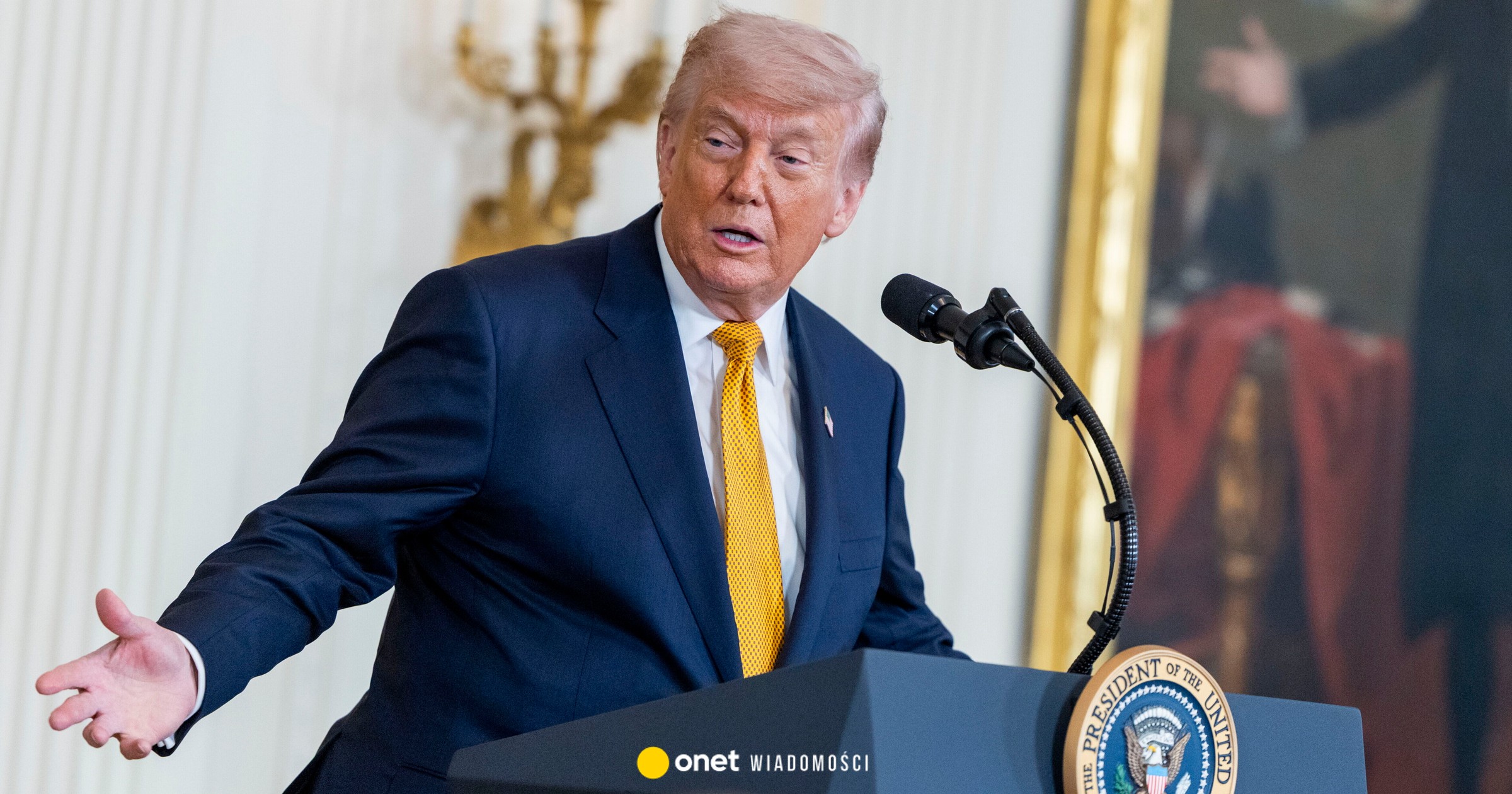
In Israel, almost no one believes that diplomacy can solve this matter. US President Donald Trump made it clear that WWashington wants to talk to Tehran about its supplies of highly enriched uranium. According to Israeli sources, Jerusalem expects the material to be taken out of the country, secured or subjected to tighter controls. From the Israeli point of view, this is not so much a solution as a test of whether the US can transform military pressure into something lasting.
— Trump promised that we would receive 400 kg of uranium — if true, it would be a huge achievement, said an Israeli military officer in an interview with WELT AM SONNTAG. Even if such an outcome seems ambitious, the joint operation significantly weakened Iran's program. In the 2015 nuclear deal, Iran agreed to hand over its stockpile of highly enriched uranium and drastically reduce the amount of low-enriched material in the country.
If negotiations fail in the next two weeks, Israel and the U.S. will closely monitor Iran's nuclear activities via satellites — and could strike again if they see moves toward nuclear weapons.
At the same time, eyes turn north – towards an extremely explosive front. Israel has always emphasized that Lebanon is not part of the ceasefire. At the same time, Lebanon is the area that could most easily destroy the fragile peace again. The immediate goal is clear. For months, Israel has been trying to push Hezbollah beyond the Litani River, which runs through southern Lebanon. Almost no Israeli representative pretends that Hezbollah can be completely eliminated.
However, a limited but significant goal is described: weakening the militia, expanding the buffer zone in the north and changing the military situation in such a way that future negotiations would begin with a more favorable balance of power.
“We are trying to create conditions for the disarmament of Hezbollah,” said an Israeli military officer. If Israel's military actions weaken the militia's ability to fire rockets from southern Lebanon, “then the idea that the agreement will actually work in the future may become more realistic.”
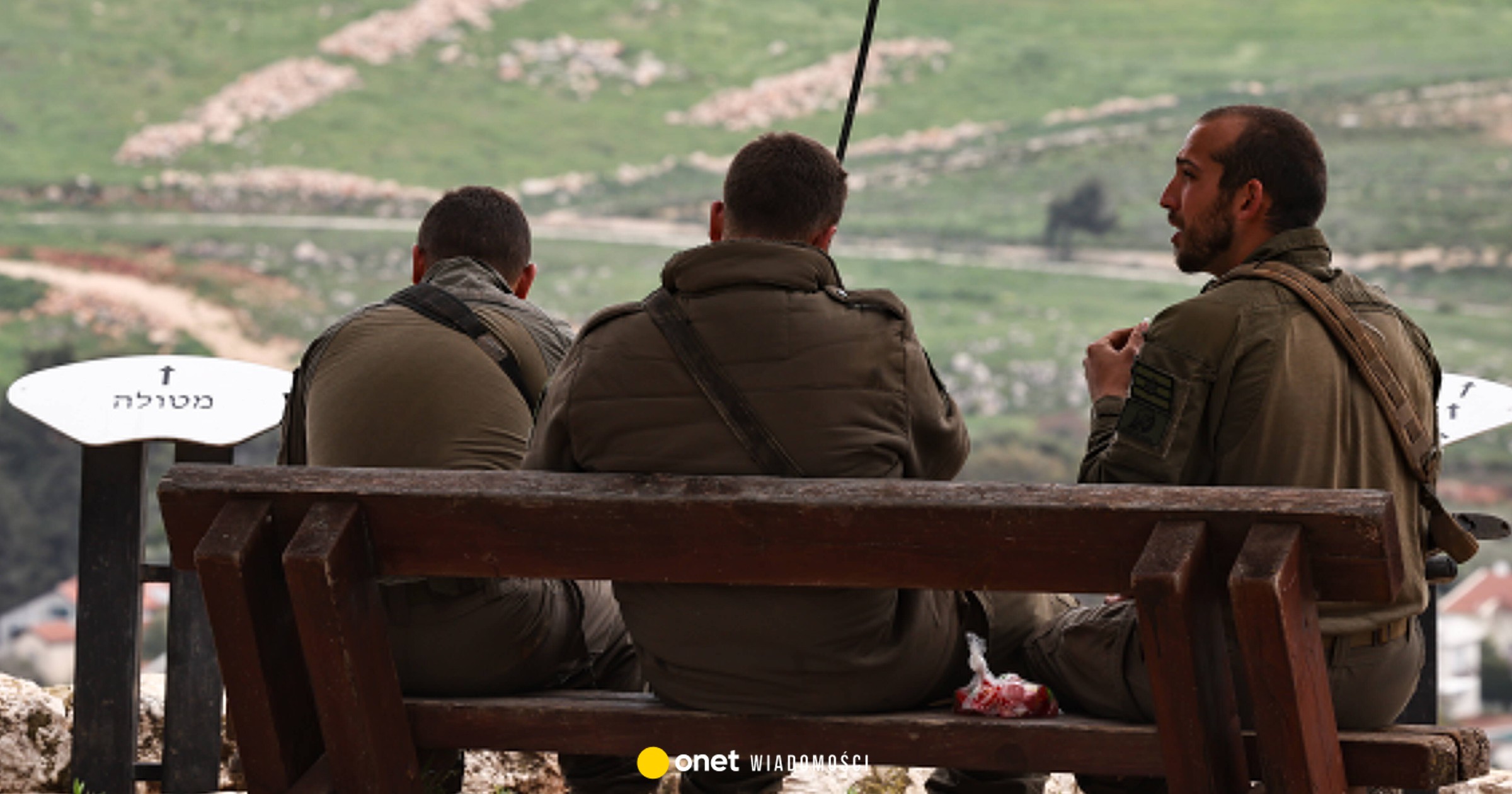
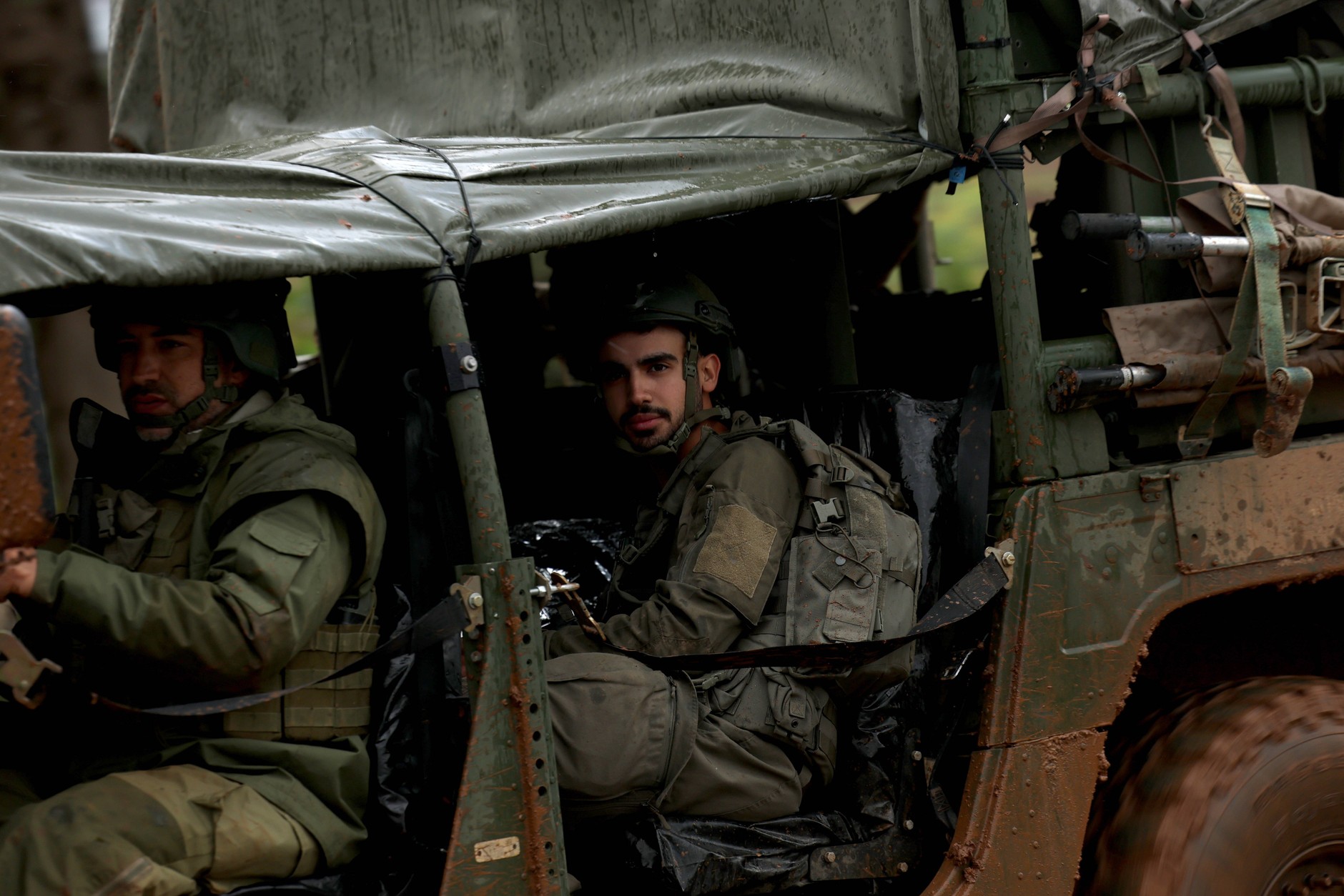
Israeli soldiers near the Israeli-Lebanese borderATEF SAFADI / PAP
Indeed, as Netanyahu said, negotiations with Lebanon should start as soon as possible. However, it is unclear how the situation will develop further. The Prime Minister also added: – There is no ceasefire in Lebanon. NWe continue to attack Hezbollah with full force and will not stop until your security is restored.
Israeli leaders are under enormous pressure to ensure lasting peace on the northern border – after three years of fighting during which Hezbollah repeatedly shelled Israel. As long as this militia is allowed to carry out such attacks, Israelis will be reminded of the state's failure to protect them – a failure that was brutally exposed in the October 2023 Hamas attack.
“There is no triumph in sight, but rather fatigue”
Outside government offices and security circles, the situation is often described in more emotional terms. There is no triumph in sight, but rather exhaustion: a society exhausted by war, which does not trust its leaders and does not know whether the peace that is being established will once again prove to be only temporary.
On Tel Aviv's seafront promenade, the atmosphere is lighter. On the last day of Pesach, families gather there and the cafes fill up again. Mote Levi, 65, who works at a kiosk a few blocks from the beach, considers the war a “waste of time.” In his opinion, Israel paid a high price without explaining anything. “Nothing has been resolved,” he says. When asked what he thinks of Netanyahu, Levi replies: “Netanyahu is Trump's b***h.”
Karen Amouyal, 27, says she understands the pressure Trump was under to end the war. However, in her opinion, the fighting did not meet the expectations of Israel and the US. “It's just going to delay what we really need to do,” he says. — I just have the feeling that we'll go through war again, whether in a few months or a year, he adds.
People walk along the wooden promenade, enjoying a spring day on the beach in Tel Aviv. Photo from April 8, 2026ABIR SULTAN / PAP
While the war with Iran may have restored some confidence in military power, it also deepened the impression that Netanyahu was unable to achieve decisive security successes. For now, the country lives in an atmosphere of conflicting emotions: relief, anger and anxiety.
In a Tel Aviv bar on a spring evening, elegantly dressed guests crowd the sidewalk, drinking cocktails and talking about heading on to the Mimouna parties that mark the end of Passover. Meital, a 28-year-old waitress and political science student, says she's glad the bar is full again — but she doesn't believe it will still be that way in a few weeks. — I'm disappointed. It won't take long, he says confidently.