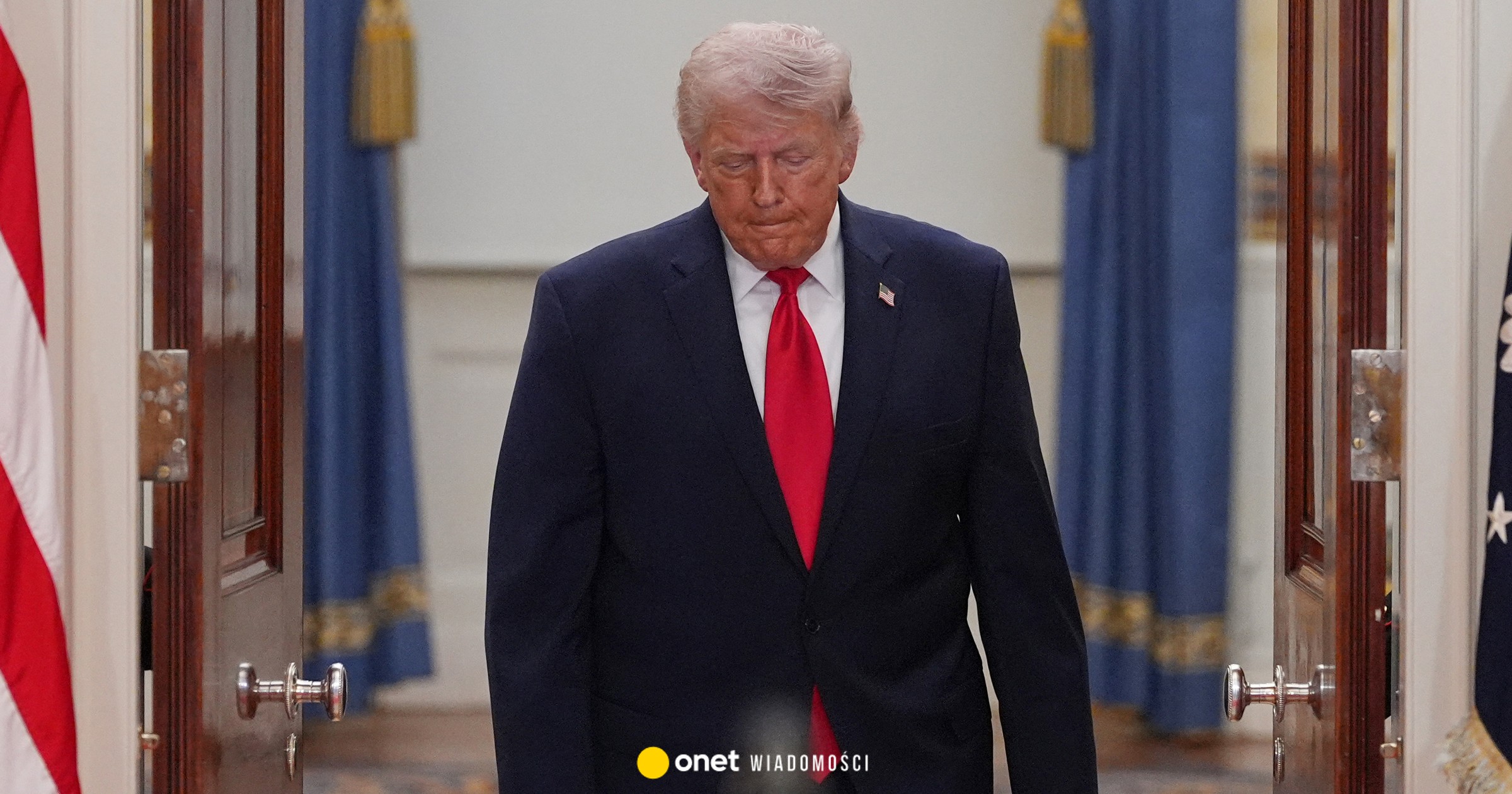
Anyone who expected that Donald Trump's speech to the nation would bring clarity about the further course of the war with Iran was probably greatly disappointed. It is true that Trump said that within two to three weeks the US would achieve the most important war goals, which are: the destruction of the Iranian nuclear program, the elimination of the missile program and offensive potential, and the significant destruction of the Iranian navy in the Persian Gulf.
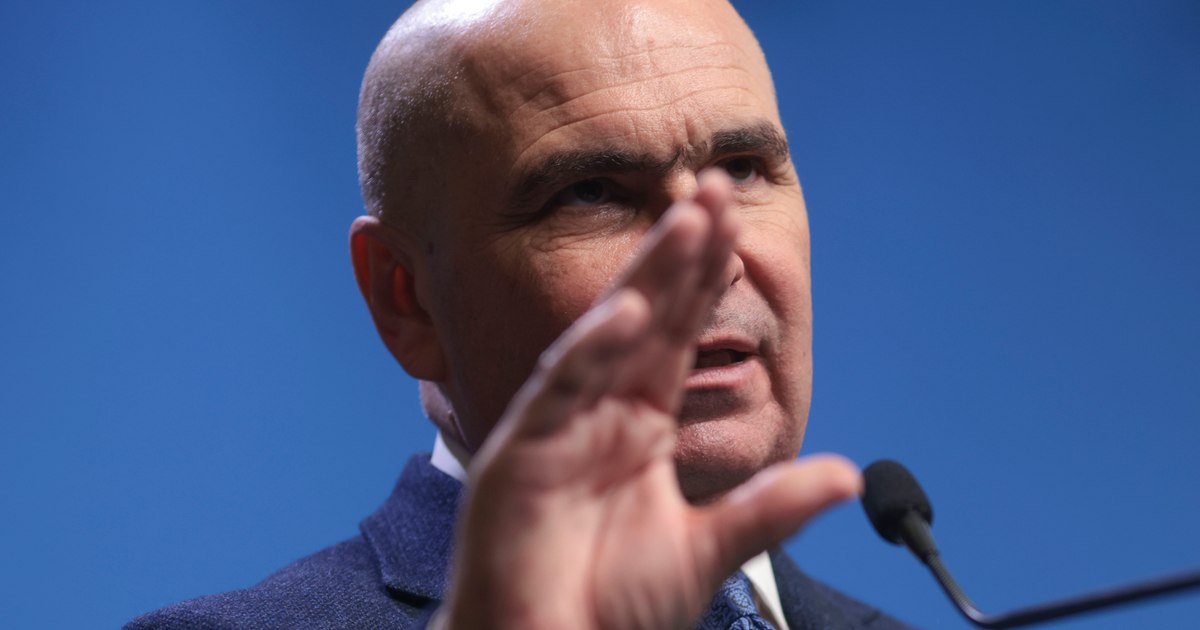
However, it is still unclear how – if at all – the Americans want to break the Iranian blockade of the Strait of Hormuz, through which much of the world's energy supplies flow. — Ultimately, the US president failed to present a narrative that would explain what victory in this war would look like or how long it would last, says Australian military expert Mick Ryan. “We still don't have a clear picture of how this war will end,” he says.
This is a growing problem for Washington's allies.
In his speech, Trump again suggested that the Americans might abandon the Strait of Hormuz. And that the problem should be solved by others – those who are more dependent on Gulf oil than the United States.
Representatives from more than 40 countries met on Thursday at the invitation of Britain in a virtual meeting to discuss how to restore freedom of navigation in the Persian Gulf. According to British Prime Minister Keir Starmer, participants wanted to analyze available diplomatic and political options.
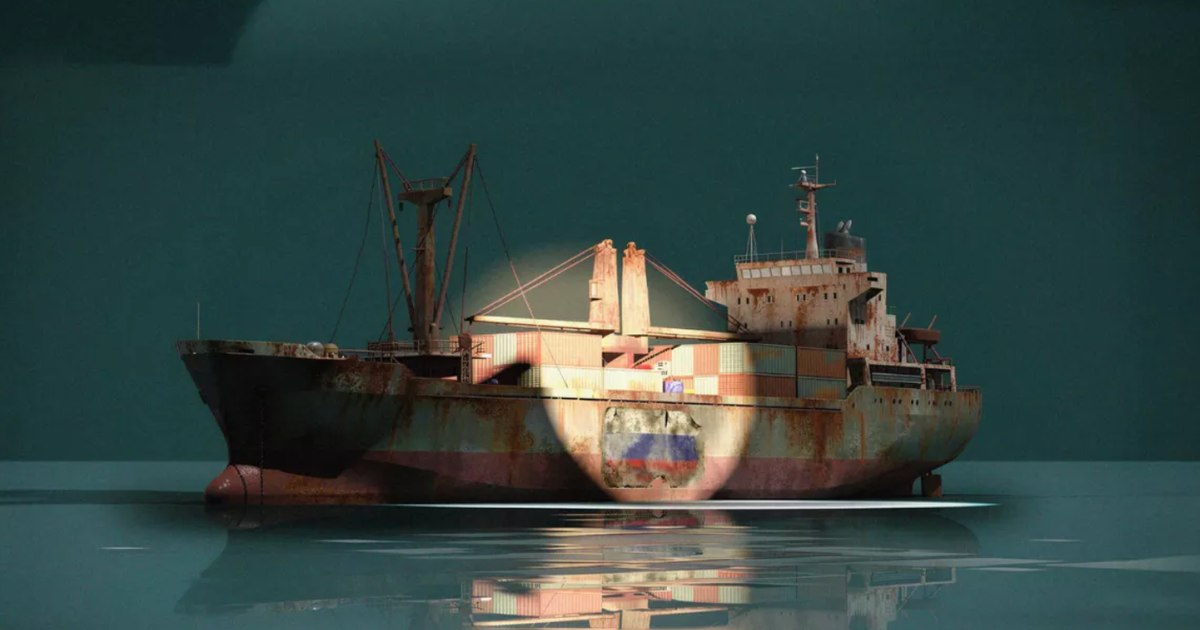
British Foreign Secretary Yvette Cooper said “diplomatic and international efforts” to safely open the Strait of Hormuz were discussed. The meeting participants also discussed measures to protect 20,000 people. sailors on 2,000 ships who were stuck in the strait as a result of the war.
The online consultations are now to be followed by further meetings at working level. British defense experts also want to consult with their American colleagues in the Pentagon. However, the modest results of Thursday's talks once again demonstrate how limited the international community's ability to act is.
The basic dilemma of this war
Given the weakened naval forces in Europe, it is clear that a Strait of Hormuz mission could only be successful under American command and with significant US assistance.
In addition, so far no country has expressed readiness to engage militarily in the region while hostilities continue and Tehran is firing missiles at ships. French President Emmanuel Macron said his country's use of force there was unrealistic.
France proposed the creation of an international mission with the participation of European and non-European countries, which would escort oil and gas tankers through the strait after the end of the most intense phase of the conflict. As Macron said on Thursday, the strait can only be reopened in agreement with Iran, as part of negotiations after a possible ceasefire.
The article continues below the video
Currently, however, this is a very distant prospect.And Trump sees no way out of the basic dilemma of this war. It is true that the United States and Israel managed to drastically limit Iran's offensive potential. However, keeping the Strait of Hormuz in Iran's hands would be a clear defeat for the US.
As in the past, Trump threatened the mullahs that if they did not make concessions, he would take decisive action. “In the next two to three weeks, we'll return them to the Stone Age, where they belong. “If there is no agreement, we will hit every one of their plants very hard and probably at the same time,” he said.
The United States could also attack Iranian oil installations. The problem, however, is that the attacks are targeting the country's civilian energy infrastructure would likely be war crimes and would hit Iranian citizens hard. Many of them hoped that the attacks by Israel and the US would lead to the fall of the regime.
When it comes to oil installations, the mullahs apparently do not believe in American threats – the collapse of Iranian oil production would, in the long run, lead to higher prices on the world market. This would affect the US just like every other country in the world. Therefore, the regime in Tehran clearly does not believe that Trump is really willing to take such actions.
Risk of strategic failure
Apart from the fact that the Strait of Hormuz under Iran's control would be a serious strategic failure for the US, there is also another problem – Washington cannot distance itself from global energy prices.
Because even if the U.S. is self-sufficient in energy, Americans pay the market prices set on exchanges just like everyone else — no matter where the oil comes from. If prices remain high due to a shortage of Gulf oil, it will not help either American consumers or American companies.
Moreover, it is clear that buried Iranian drone and missile sites in the Strait of Hormuz pose a threat not only to civilian shipping but also to warships equipped with defensive weapons. That's why there has been discussion in recent weeks whether the Americans should send ground forces to take over the positions from which Iran controls the Strait of Hormuz.
There was no indication in Trump's speech that he intended to make such a decision – he is clearly aware of the risks that such an operation would entail. The US president probably still hopes that the Iranian regime will step down.
— The US president is stuck at an impasse on Iran, says foreign policy expert Phillips O'Brien from Scotland's University of St. Andrews. — He would like to end it all, but he can't because Iran isn't doing what he wants.
I’m Ashley Davis as an editor, I’m committed to upholding the highest standards of integrity and accuracy in every piece we publish. My work is driven by curiosity, a passion for truth, and a belief that journalism plays a crucial role in shaping public discourse. I strive to tell stories that not only inform but also inspire action and conversation.