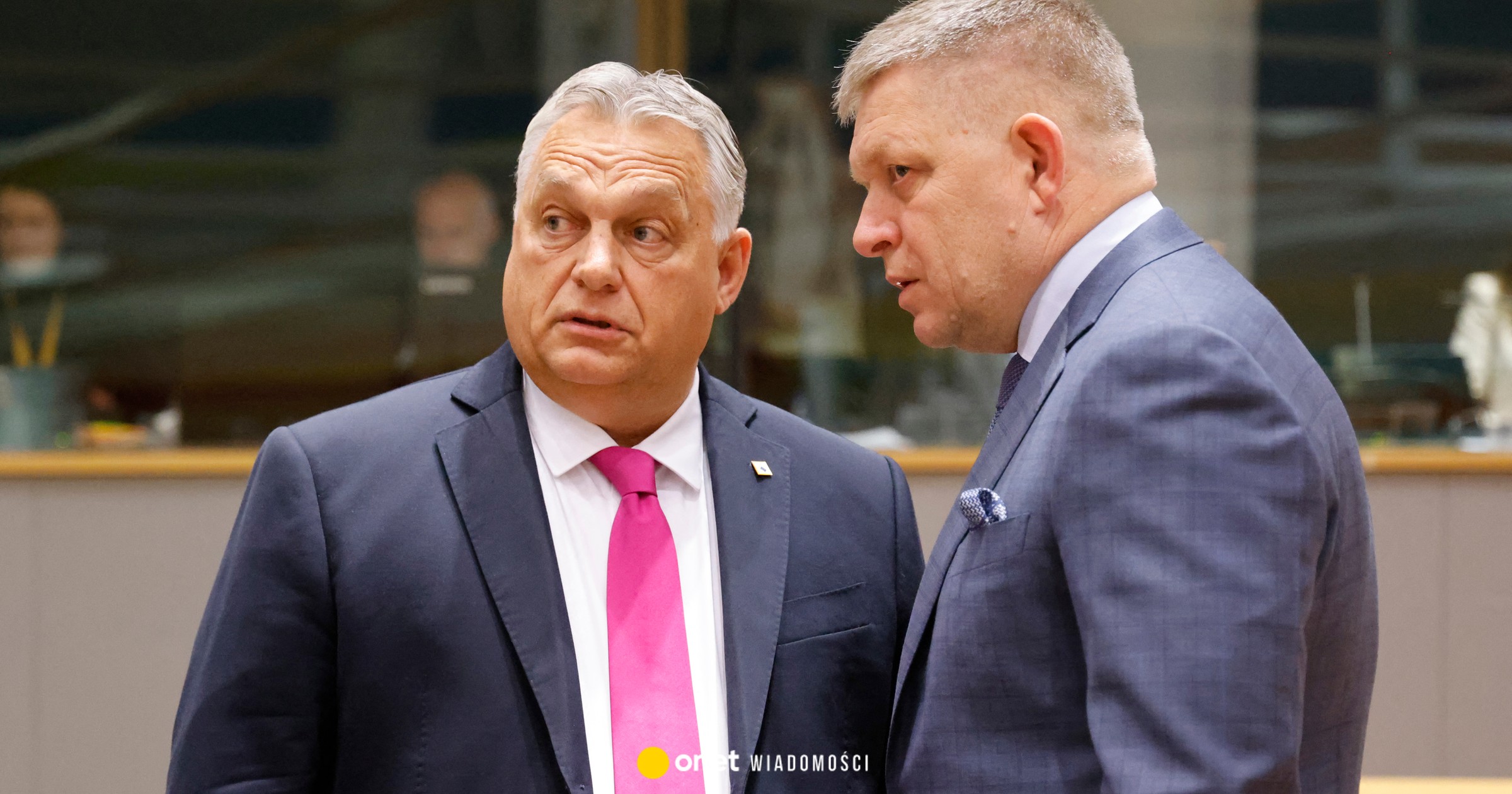
In his Monday speech, Slovak Prime Minister Robert Fico supported the tough stance of Hungarian Prime Minister Viktor Orban and spoke in favor of increasing pressure on Ukraine in connection with the suspension of deliveries via the Druzhba pipeline. He warned that Slovakia may seriously reconsider its support for Kiev on key issues.
Hungary and Slovakia, whose leaders maintain closer ties with Moscow than most EU governments, blame Kiev for the failure of a pipeline that brings Russian crude transported through Ukraine to their refineries.
Over the past year, Fico has repeatedly signaled during meetings and public statements that Slovakia intends to continue importing Russian gas, while sharply criticizing the European Union's energy policy. During his last face-to-face meeting with Russian President Vladimir Putin in Beijing in September 2025, Fico said Slovakia is “extremely interested in normalizing relations” with Russia.
This position is contrary to the EU's policy of becoming independent from Russian energy in response to Moscow's invasion of Ukraine.
While most EU countries treated the war as a reason to cut ties with Russia, Fico and Orban went in the opposite direction.
Pipeline failure fuels tensions
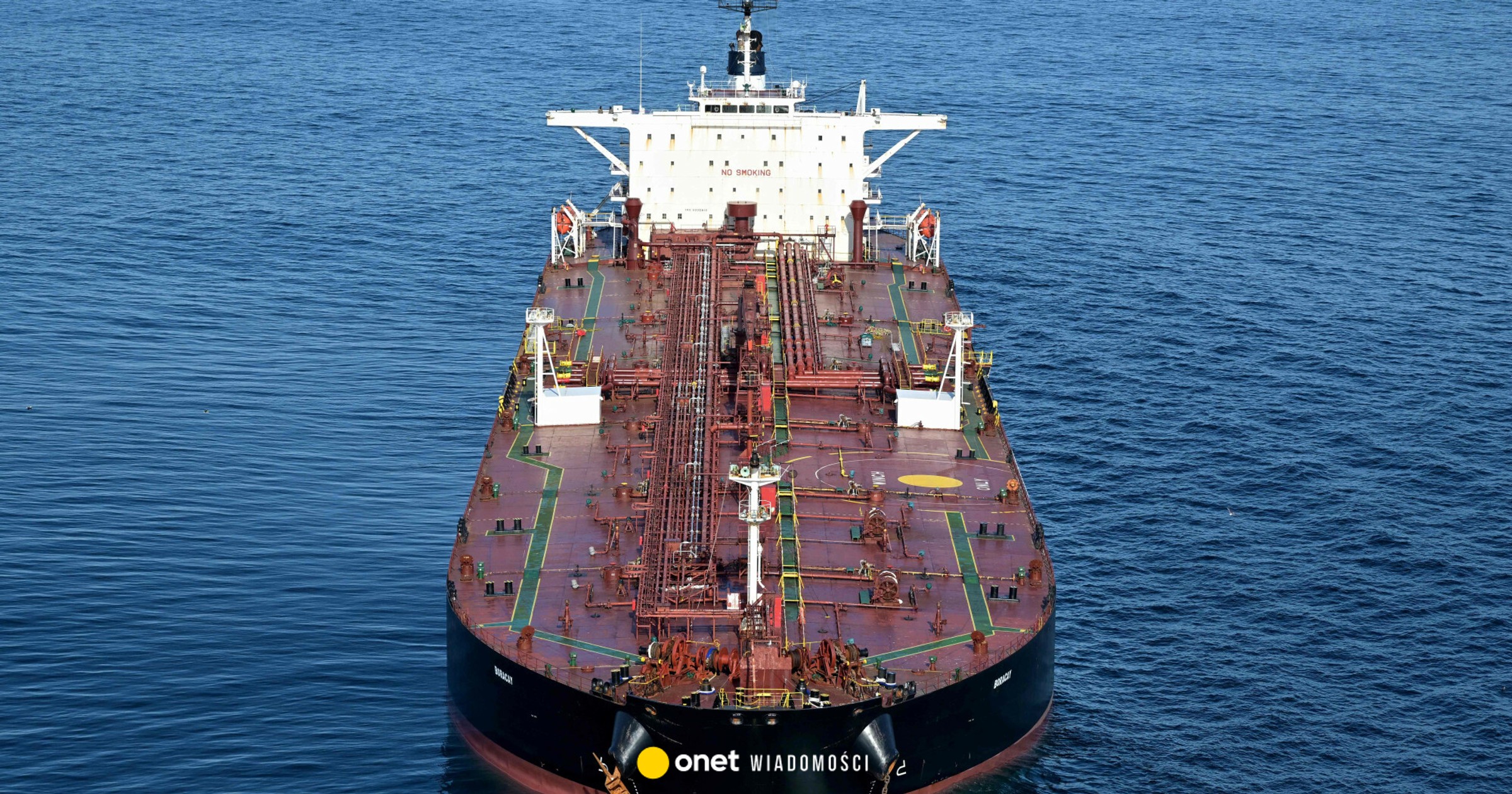
The Druzhba pipeline, running from Russia through Ukraine to Slovakia and Hungary, is at the center of the dispute. It has been inactive since the end of January, when Ukraine reported that a Russian drone attack had damaged infrastructure in the western part of the country.
Hungary and Slovakia blame Kyiv for the failure. Ukraine denies these allegations, saying the original disruption was caused by Russian attacks and will take time to repair.
The article continues below the video
For Kiev, this is a dispute another example of pressurepressure exerted on it by some of its neighbors, even as it remains under daily fire from Moscow.
Energy dispute with Brussels
The Druzhba pipeline dispute is part of Fico's broader opposition to EU efforts to reduce dependence on Russian energy. On January 27, he stated that Slovakia would file a lawsuit with the European Court of Justice to challenge the EU ban on imports of Russian gas.
Fico described the withdrawal of Russian fuel as “energy suicide” and an “ideological, senseless and harmful” policy, warning that it could cause domestic gas prices to skyrocket.
He also argued that Slovakia's dependence on Russian gas is based on geography rather than ideology, saying alternative routes such as the Adriatic gas pipeline are more costly and have not yet been fully proven.
Allegations of “blackmail” and “ultimatum”
Kyiv reacted sharply to threats from both Bratislava and Budapest.
After Fico warned that Slovakia could suspend emergency electricity supplies to Ukraine unless oil flows resumed, Ukraine said it opposed what it called an “ultimatum and blackmail.” Ukrainian officials said such demands should be directed to the Kremlin, not to a country defending itself against Russian aggression.
President of Ukraine Volodymyr Zelensky in Kiev on March 30, 2026.GENYA SAVILOV / AFP / AFP
Kiev's position is that energy disputes cannot be separated from the reality of Russia's war, especially as Ukrainian infrastructure continues to come under attack.
The EU remains adamant
The European Commission rejected Bratislava and Budapest's arguments that supply concerns justify breaking EU rules. Brussels says any action must be consistent with the EU's legal framework and support the withdrawal of Russian energy.
The commission also recently questioned the latest decision of the Fico government. Brussels said Slovakia's recent restrictions on diesel, including higher prices for foreign-registered vehicles, violate the EU's principles of non-discrimination and the principles of the single market. She warned that legal action could be taken if the measures were not withdrawn.
I’m Ashley Davis as an editor, I’m committed to upholding the highest standards of integrity and accuracy in every piece we publish. My work is driven by curiosity, a passion for truth, and a belief that journalism plays a crucial role in shaping public discourse. I strive to tell stories that not only inform but also inspire action and conversation.