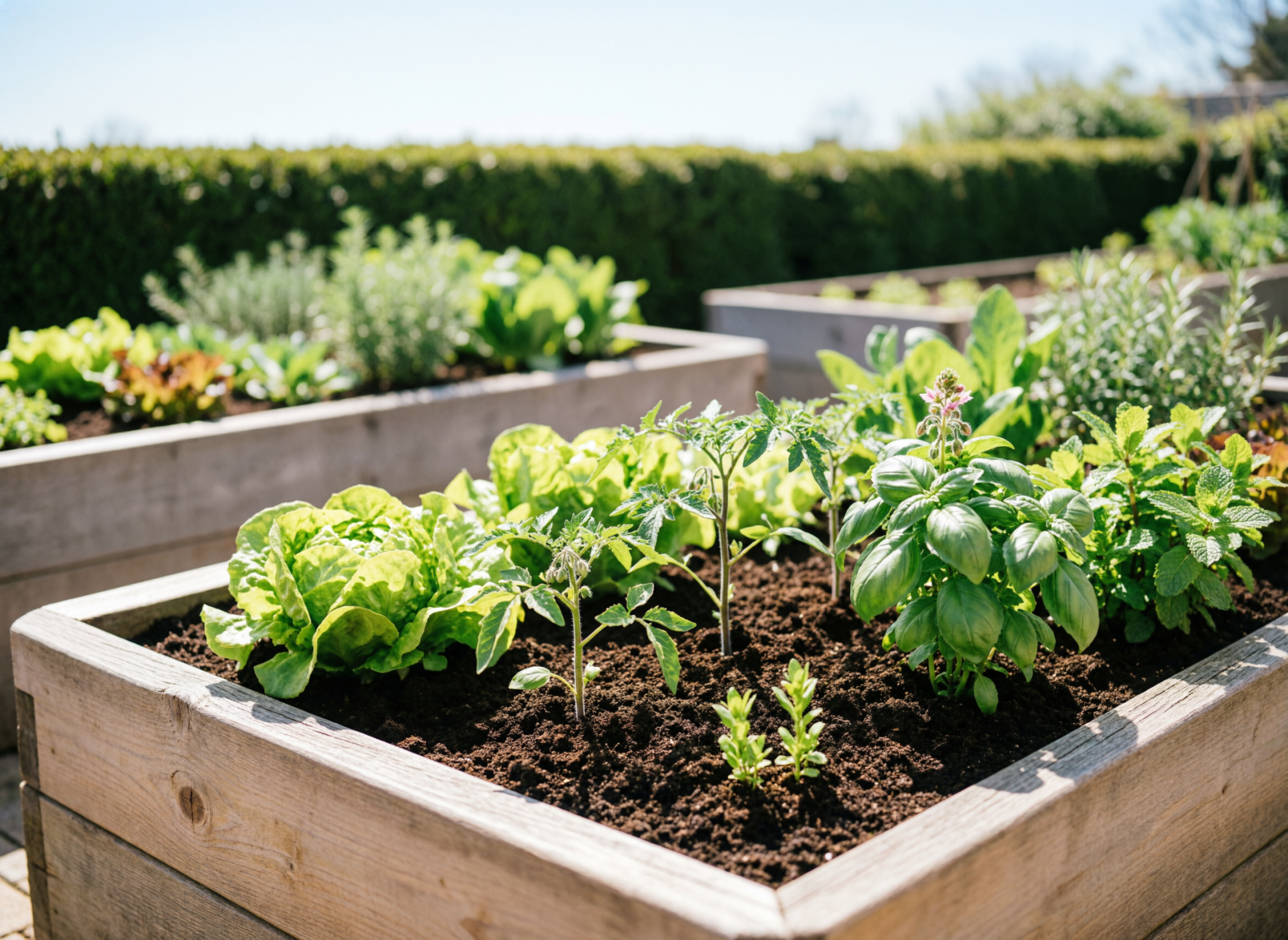
In the spring, when the first shoots appear in the beds, you can often notice traces: neatly torn seedlings, scattered on the ground, the roots intact. It's not the moles or the wireworms that are to blame. These are crows and jackdaws. They do not eat plants, but check the soil for the presence of living creatures, and young shoots are mistaken for worms or simply pulled out of interest.
It is rare to scare them off with loud sounds or shiny ribbons, as the birds quickly get used to it. But there is another approach. You need to make sure that they simply don’t want to dig around your beds.
The essence of the method is to change the perception of the surface. Birds look for soft, loose soil. If the soil seems occupied or unsuitable for excavation, they fly further away.
Simple techniques that do not require purchases are suitable for this.
1. Net for germination
Cover the bed with the crops with a light agricultural net. No need to pull it tight. Simply lay loosely on the arches or edges of the bed. Birds do not see open ground, which means they do not land. After 10–14 days, when the sprouts get stronger and become less vulnerable, the mesh can be removed.
2. Sowing with “bait” along the edge
Plant fast-growing green manure – mustard or phacelia – around the perimeter of the bed. It will sprout before the vegetables and create a dense green background. Crows do not like to peck where something is already growing. They need clean, open soil. And at the same time, such plants will improve the structure of the earth.
3. Coarse straw mulch
After germination, sprinkle the row spaces with a layer of straw or dry grass. This creates a visual and tactile barrier. Birds find it difficult to peck through tough stems and lose interest.
Important: do not use sawdust or small shavings. They clump together after rain and can inhibit sprouts.
These techniques do not harm or scare birds or disrupt the ecosystem. And within a week you will notice: the sprouts are growing evenly, without bald spots, and the birds are circling over neighboring areas.