Emergency meeting in the United Kingdom on the Strait of Hormuz. Representatives of 35 countries are expected

The UK will bring together 35 countries to discuss ways to reopen the Strait of Hormuz, a vital oil and gas shipping route blocked by Iran. The United States is not participating in the meeting.
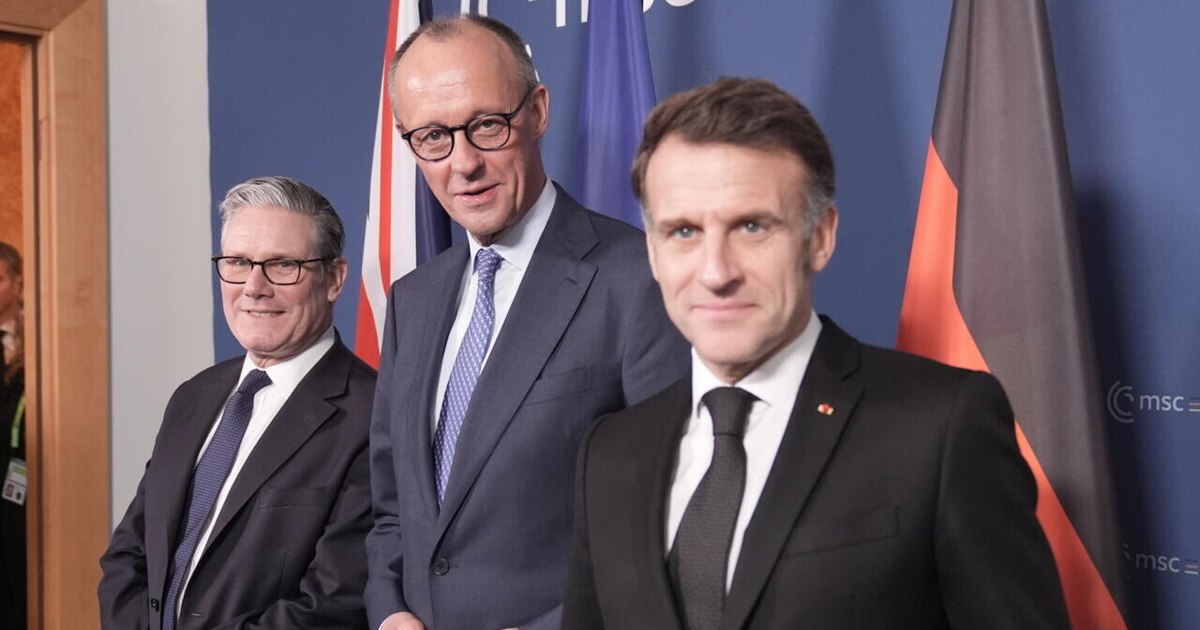
France and Germany participate in talks PHOTO AFP
Prime Minister Keir Starmer said the next round of talks in the framework of joint Franco-British efforts to secure the maritime corridor will take place on Thursday, with the participation of Foreign Secretary Yvette Cooper and other international leaders, writes The Guardian.
Donald Trump has said that the responsibility for ensuring the safety of the strait will fall to other countries if the US stops its attacks on Tehran, criticizing the lack of support from European countries for its military actions.
35 countries are analyzing the situation
Starmer said on Wednesday that the meeting would bring 35 countries to the same table to a “assess all viable diplomatic and political measures we can take to restore freedom of navigation, ensure the safety of stranded ships and seafarers, and resume the flow of essential goods.”
Downing Street stated that it will be the first time that these states come together to discuss a concrete plan to reopen the strait. The prime minister added that British military planners would meet later “to look at how we can mobilize our capabilities and how we can make the strait accessible and secure after the cessation of hostilities”.
However, Starmer, who summoned energy and shipping leaders to Downing Street on Monday, warned that the recovery operation would take long after the end of hostilities. “I have to be honest with people: it won't be easy”he said.
“They were very clear with me: the main challenge is not insurance, but transit safety and security. So we need all these elements together – a united front of military force and diplomatic action, partnership with industry so that it can mobilize after the fighting ceases, and above all, clear and calm leadership. That is the role this country is prepared to play.
Because since the beginning of this conflict, my guide has been the national interest of the United Kingdom. And freedom of navigation in the Middle East is in the British national interest.”
Who participates
The meeting will be attended by the states that signed a joint declaration last month, to which other countries were later added. These include the United Kingdom, France, Germany, Italy and the Netherlands, as well as Australia, Japan, Canada, South Korea, New Zealand, the United Arab Emirates and Nigeria. The statement provides “willingness to contribute to appropriate efforts to ensure safe transit through the strait”.
According to the information made public so far, the United States has not been directly invited to the talks, with the focus being on the signatories of the declaration, as well as other European allies and important maritime and regional actors.
About 1,000 ships are blocked by Iran's partial blockade of the strait in response to US and Israeli attacks. Before the conflict, about a fifth of the global supply of oil and gas and about a third of the fertilizers needed for half of the world's food production passed through this corridor. Since the start of the war, only about 130 ships have made the crossing, compared to the usual daily number.
Threats from Iran
The Department of Defense has sent military planners to US Central Command to review options for the safe passage of oil tankers.
On Wednesday, Iran's Islamic Revolutionary Guard Corps said in a statement broadcast on state television that the Strait of Hormuz would remain closed “enemies of this nation” and that it is under the control of the Iranian Navy.
Trump wrote Wednesday that there will be no ceasefire with Iran until it relinquishes control of the sea route. “We will look at when the Strait of Hormuz will be open, free and safe. Until then, we bomb Iran to destruction, or as they say, back to the Stone Age!!!”he wrote.