Pentagon refuses to reaffirm US commitment to NATO collective defense. New criticism of the Allies

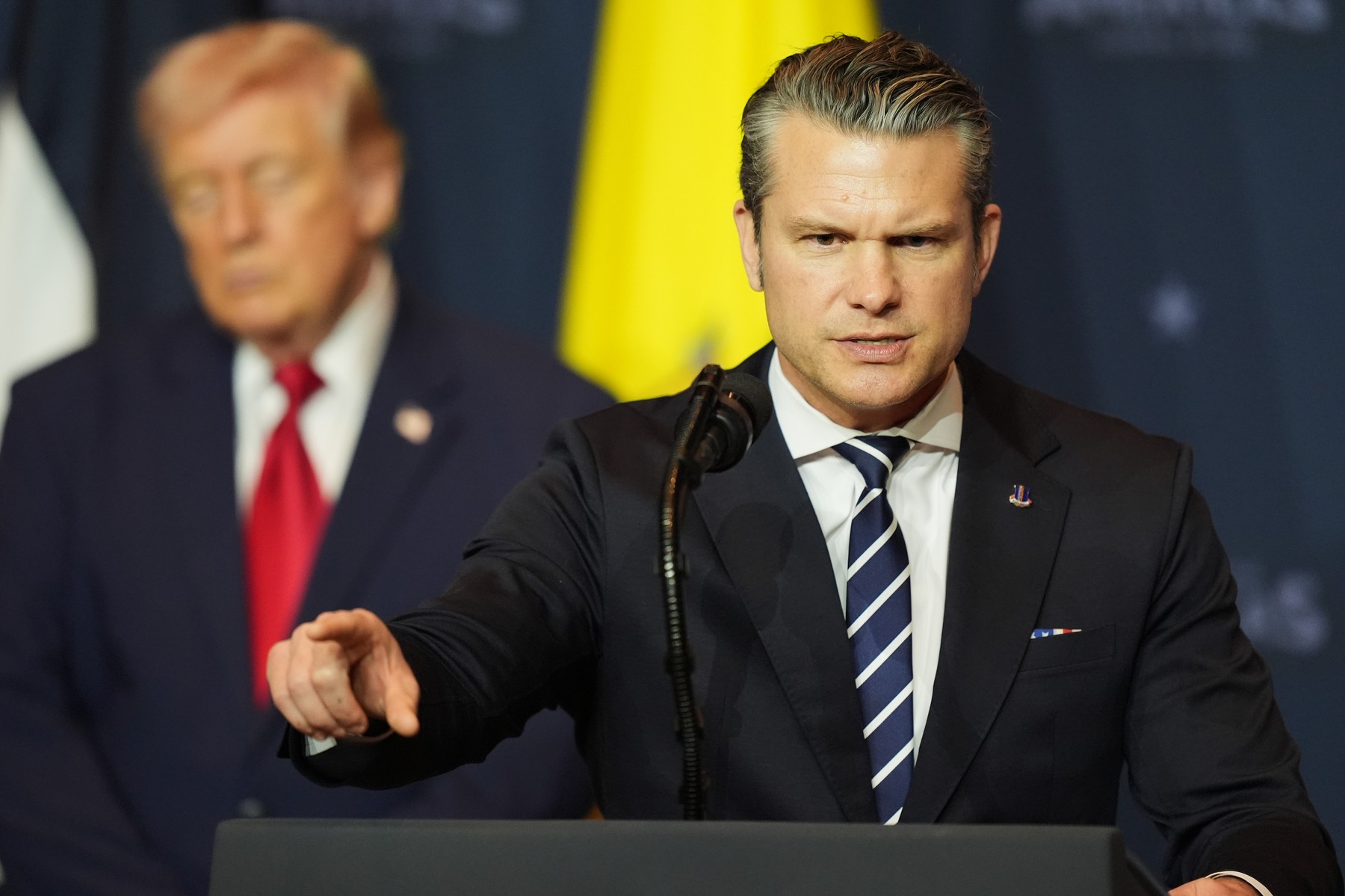
US Secretary of War Pete Hegseth said on Tuesday that it is up to the president how the United States relates to NATO's collective defense, a central element of the alliance founded in 1949.
Responding to a question from Reuters at a Pentagon press briefing on Tuesday, Pete Hegseth declined to reaffirm the United States' commitment to NATO's collective defense.
“As far as NATO is concerned, that's a decision that will be left up to the president. But I will just say that a lot of things have become clear,” was the answer given by the head of the Pentagon.
Hegseth's statement comes as key European allies rejected calls by US President Donald Trump to step in to support Washington in its war against Iran.
“When we ask for additional assistance or simple access, basing and overflight, we get questions, blockages or hesitations,” added the US Secretary of War.
A potential move by Trump to withdraw the US from NATO could require congressional approval, but any signal that Washington may be unwilling to defend its allies in the event of a Russian attack risks seriously weakening the alliance, the news agency noted.
“You don't have a very strong alliance if there are countries that aren't willing to stand by you when you need them. (Trump) is just making that point, and ultimately it's going to be his decision how the situation plays out,” Hegseth said.
Article 5 of the NATO Treaty states that an armed attack against one member state will be considered an attack against all. This collective defense clause was activated only once, at the request of Washington, after the terrorist attacks that took place in the USA on September 11, 2011.
The head of NATO told Trump that he had to wait until an intervention by the Europeans in Hormuz
Mark Rutte, who has expressed support for the US president's actions in the Middle East, recently said Europe needs time to “come together” to ensure the Strait of Hormuz is open to all countries, according to The New York Times.
“Europe needed time because the United States, for good reasons, could not inform its allies about what was going to happen,” Rutte said in a press briefing last Thursday.
“This means that it takes some time for Europe to come together, and it is happening now,” the NATO Secretary General added.