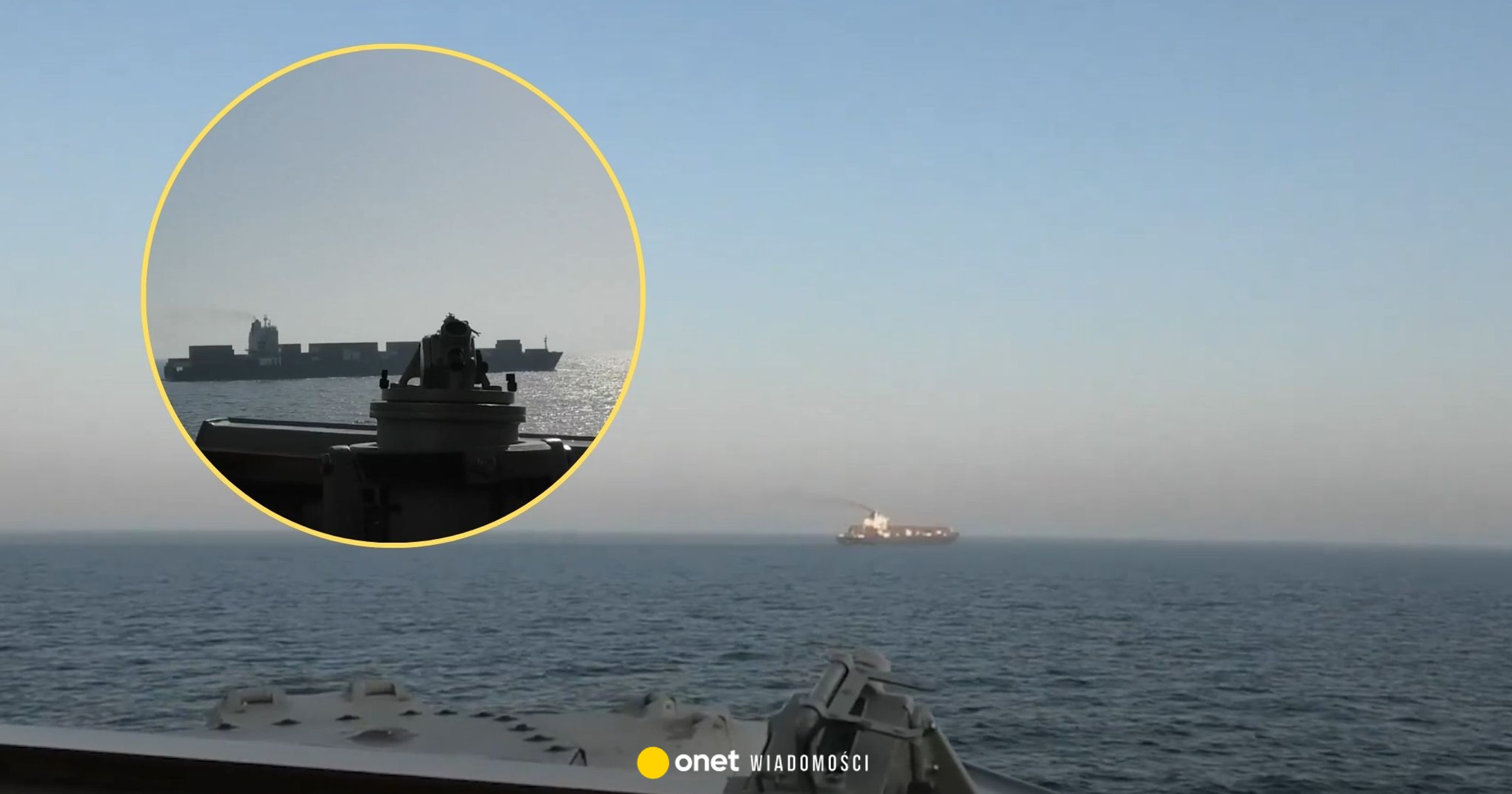
Since February 28, when Israeli and US attacks on Iran began and Tehran responded with missile and drone strikes, countries in the region They fired about 2.4 thousand interceptor missiles.
This number is similar to theirs estimated pre-conflict stocks of approximately 2.8 thousand. pieces.
Experts emphasize that these data are based on public sources and analyses, but the scale of consumption clearly shows the pace of depletion of defense resources.
Growing dependence on the USA
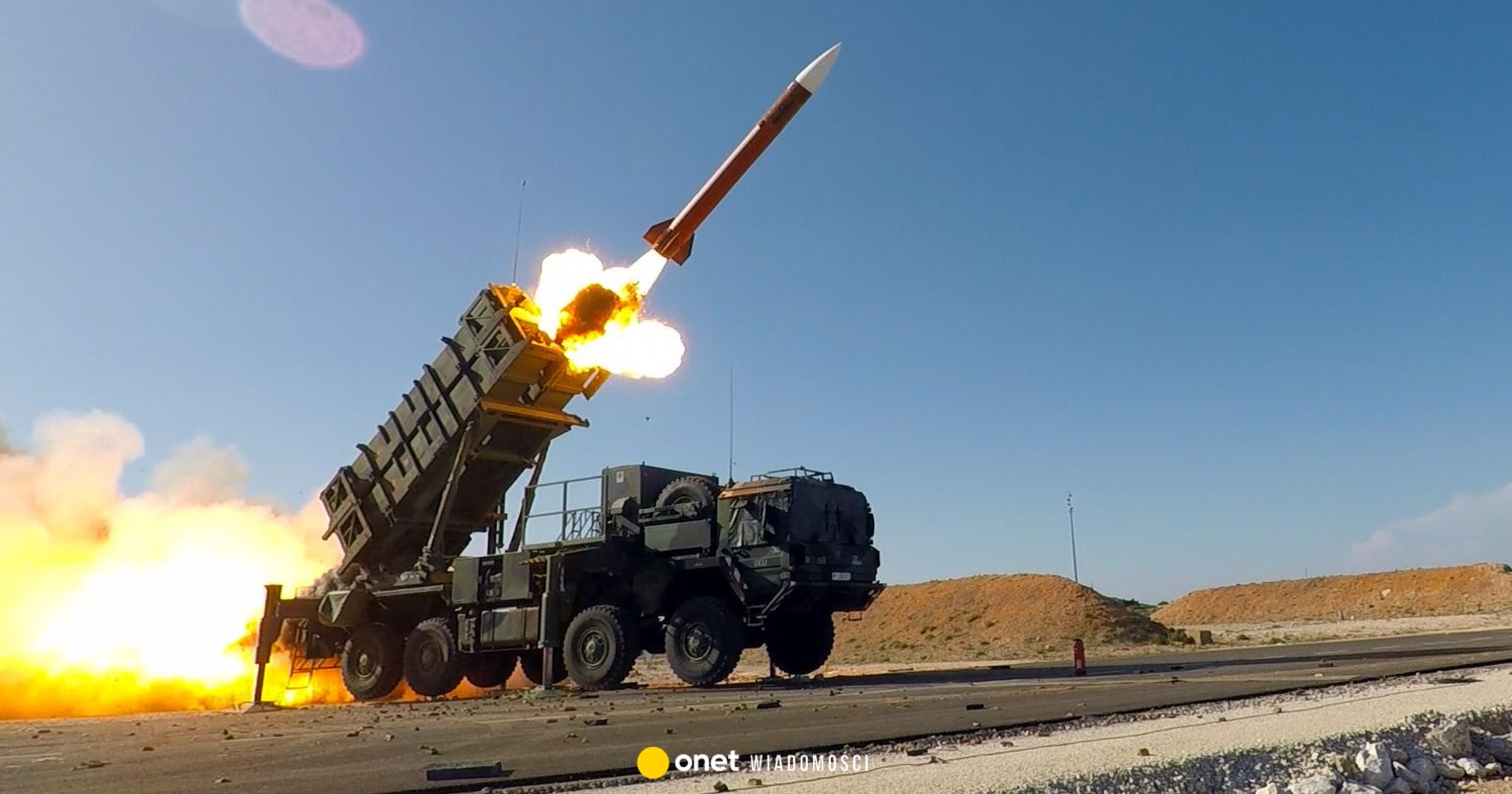
Iran has so far used about 1,200. ballistic missiles and over 4,000 drones, including Shahed machines. To neutralize them, primarily Patriot and THAAD systems are used – key elements of the American missile defense architecture.
The problem is not only the war in Iran. Production does not keep up with needs
Limited production of interceptor missiles remains a problem. According to Lockheed Martin data, only 96 THAAD missiles and 650 PAC-3 missiles for Patriots are produced annually. Although the agreement signed in January assumes increasing the production of the latter to approximately 2,000. annually until 2030, current capabilities are insufficient considering the scale of the conflict.