VIDEO The ideal method to wash fruits and vegetables, discovered by researchers from Cornell University

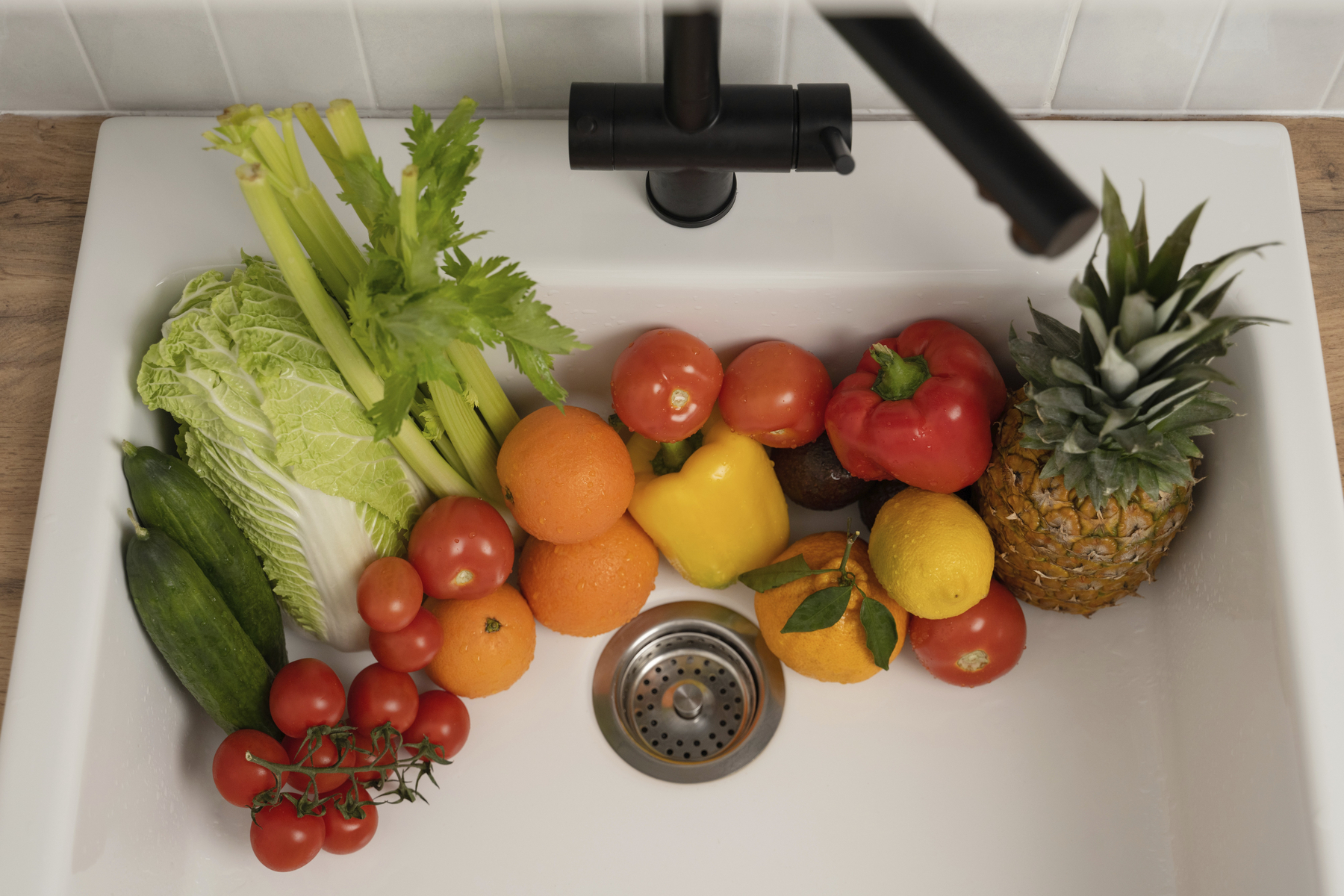
A bubble bath is not only pleasant. It also appears to now be a scientifically tested method for giving agricultural produce, medical equipment and industrial materials a gentle, chemical-free clean, reports Gizmodo.
For a study recently described in the journal Droplet, researchers at Cornell University devised a technique that introduces tiny bubbles into water along with a low-frequency sound wave.
This combination generated an amplified, oscillating motion that made the vegetables 90 percent cleaner compared to baths using just bubbles or just water, according to a separate release from the scientists.
The team tested products such as tomatoes, but believe the gentle, chemical-free nature of the method could make it useful for cleaning sensitive medical equipment or semiconductors.
“We demonstrated that by treating the bubble as a forced harmonic oscillator, where the surface tension acts as a spring and the surrounding fluid acts as the mass, we can predictably scale and tune the acoustic frequencies to maximize cleaning efficiency,” Sunny Jung, the study's lead author and a Cornell engineer, told Gizmodo.
Impeccable cleaning
Jung says that industries such as food and agriculture typically use harsh chemicals or ultrasonic cleaning to remove dangerous pathogens such as listeria or salmonella. But the former may leave residue, while the latter could “unintentionally promote microbial growth,” he said.
And the food and agricultural industries are not the only ones in need of a comparatively gentle and chemically safe cleaning method. For example, bacterial colonies formed on sensitive medical devices such as implants or catheters must be removed, while semiconductors, although fragile, are notoriously vulnerable to damage from contamination.
“We wanted to find out if we could achieve effective bubble or sound-mediated surface cleaning using low acoustic frequencies (…) thereby avoiding the destructive erosion and turbulence caused by traditional high-frequency ultrasonic cleaning,” explained the Cornell University engineer.
Once the experimental setup was complete, the team generated tiny bubbles (about 0.6 millimeters in diameter) and exposed them to low-frequency sound waves using an underwater speaker. Fascinatingly, this caused the bubbles to exhibit an “off-and-on” motion that created “strong, localized shear forces,” Jung says.