RO-Alert for invoices. The ANRE initiative, ironic: “Isn't it enough that Arafat sends us messages?”

The National Energy Regulatory Authority's initiative to introduce a “Ro-Alert” notification system for electricity consumption has sparked critical reactions. The specialists consulted by “Adevărul” question both the usefulness and the applicability of the measure in Romania.
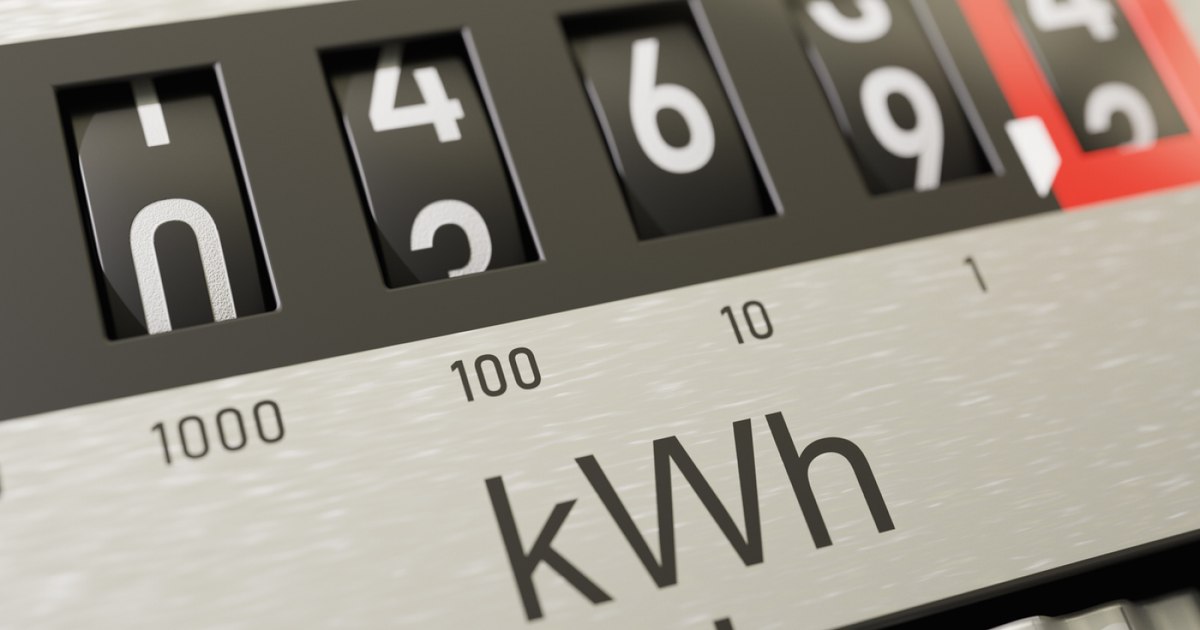
ANRE proposes a “Ro-alert” for energy consumption. Archive photo
Economic analyst Adrian Negrescu believes that ANRE's initiative to notify Romanians when they reach 80% energy consumption is, rather, a theoretical one, difficult to put into practice in the current context of the energy infrastructure.
“The ANRE initiative seems taken from a book of good practices, it is a good idea to say at the mouth of the stove in a Romania where the idea of a smart meter is only on paper. ANRE forgets that we do not have meters that measure our consumption according to time intervals”, he declared for “Adevărul”.
“It's sci-fi. It's not enough that Arafat sends us warnings with every more serious rain”
In his opinion, the project risks being just an image measure, with no real impact on consumers. Moreover, Negrescu draws attention that the fundamental problem remains the high cost of energy: “It's a sci-fi idea, meant to distract attention from the elephant in the room: the very high price of electricity that has increased by 80%, without ANRE explaining why the prices have increased.”
In the same critical note, the analyst emphasizes the technical difficulties and the responsibility of investments: “The idea of launching some kind of Ro-Alert when you're nearing maximum consumption is like rubbing against a wooden leg. Plus, suppliers should invest in digitization, not the Romanian state! The idea is very difficult to apply as long as we don't have hourly charging services”
He further mocks the utility of such alerts in the everyday lives of consumers: “Isn't it enough that Arafat sends us warnings with every more serious rain?! Does ANRE still have to come and tell us to turn off the radiator on a cold winter night when we don't have heat from Radet?”
Psychologist: Notification of 80% of consumption comes too late
From a psychological perspective, Mihai Copăceanu is equally reserved about the effectiveness of the measure, emphasizing consumer behavior and the limits of notification-type interventions. “I am not convinced that such a measure is effective for several reasons“, he explained to “Adevărul”.
First, the time at which the alerts would be sent is considered too late to produce significant change. “Although many citizens do not know how much they consume in real time, this warning measure will not reduce consumption in the first place because 80% means that a high consumption is already being achieved and as a citizen you have little time left to correct it.” said the psychologist.
The number of smart meters installed by “Electric Networks” will reach 1.7 million this year
Also, Copăceanu emphasizes that there are categories of consumers for whom reducing consumption is not a real option: “There are categories of citizens who, even though they are notified, have no way to adjust their consumption, for example families with children or those who work from home, and there are certain consumers that are really necessary on a daily basis (fridge, freezer, boiler)”.
In his view, real changes occur over time, through structural measures and consolidated habits. “The serious savings come mostly from other energy efficiency measures and changes usually over the long term, not just from an SMS at the end of the monthhe said.
Moreover, the psychologist compares the effectiveness of such an alert with a late intervention. “It is like warning a driver that he is about to run a red light. It's too late“, stated Copăceanu, adding that the impact at the national level would be limited, with most people going to maintain their consumption dictated by necessity.
However, the psychologist claims, if the alerts were received at 50% or 60% of consumption, the notifications could be more effective.
How it is in other European countries and why it works in them
Countries such as Great Britain, Italy, Spain, France, the Netherlands or the Nordic states – Sweden, Finland and Denmark – have reached a high level of digitization of energy consumption, with over 80% coverage of smart meters, according to European reports and market analyzes on smart metering. These devices are the foundation of the entire system, as they allow the transmission of consumption data in near real time, sometimes at intervals of only 15 minutes. Thus, consumers no longer have to wait for the bill at the end of the month to understand how much they have consumed, but can constantly follow the evolution of their consumption.
A second essential element is built on this basis: dynamic pricing. In many of these states, energy does not have a fixed price but varies by time slot. Peak-hour consumption is more expensive, while energy used at night or during peak periods is cheaper. This mechanism creates a real incentive for behavior change, encouraging consumers to adapt their habits to reduce costs.
Only in this context do notifications come in, which are not simple messages sent at the end of the month, but tools integrated into applications and digital platforms. Users can receive alerts before periods of high consumption or price increases, along with concrete recommendations – for example, delaying the use of some appliances or temporarily reducing consumption. In some cases, the systems are even automated, so that certain devices, such as thermostats, can adjust consumption without direct user intervention. Furthermore, in other states suppliers offer financial incentives for reducing consumption at critical times, turning these notifications into active energy management tools.