The European country is the big winner of the crisis caused by the war in Iran

Whether investors are looking at Europe, North America or Asia, the overall stock picture is more or less the same: markets were performing well through the end of February. With the outbreak of the war in Iran, the situation changed.
We are currently observing:
- red numbers (decreases) in Germany: the DAX index dropped from 24,500 points at the beginning of January to below 23,000, i.e. by eight percent since the beginning of the year.
- Europe under pressure: iThe Stoxx Europe 600 index records a decline of 3.5%. Stock indices from countries such as Great Britain and Sweden are still slightly positive.
- American indices recording declines: the Dow Jones index is almost 4.5 percent. lower than at the beginning of the year. In the case of the S&P 500, the decline is approximately four percent.
- Japan still holding: iThe Nikkei 225 index continues to show slight growth since the beginning of the year. Whether it will remain so remains to be seen – Japan is a large energy importer.
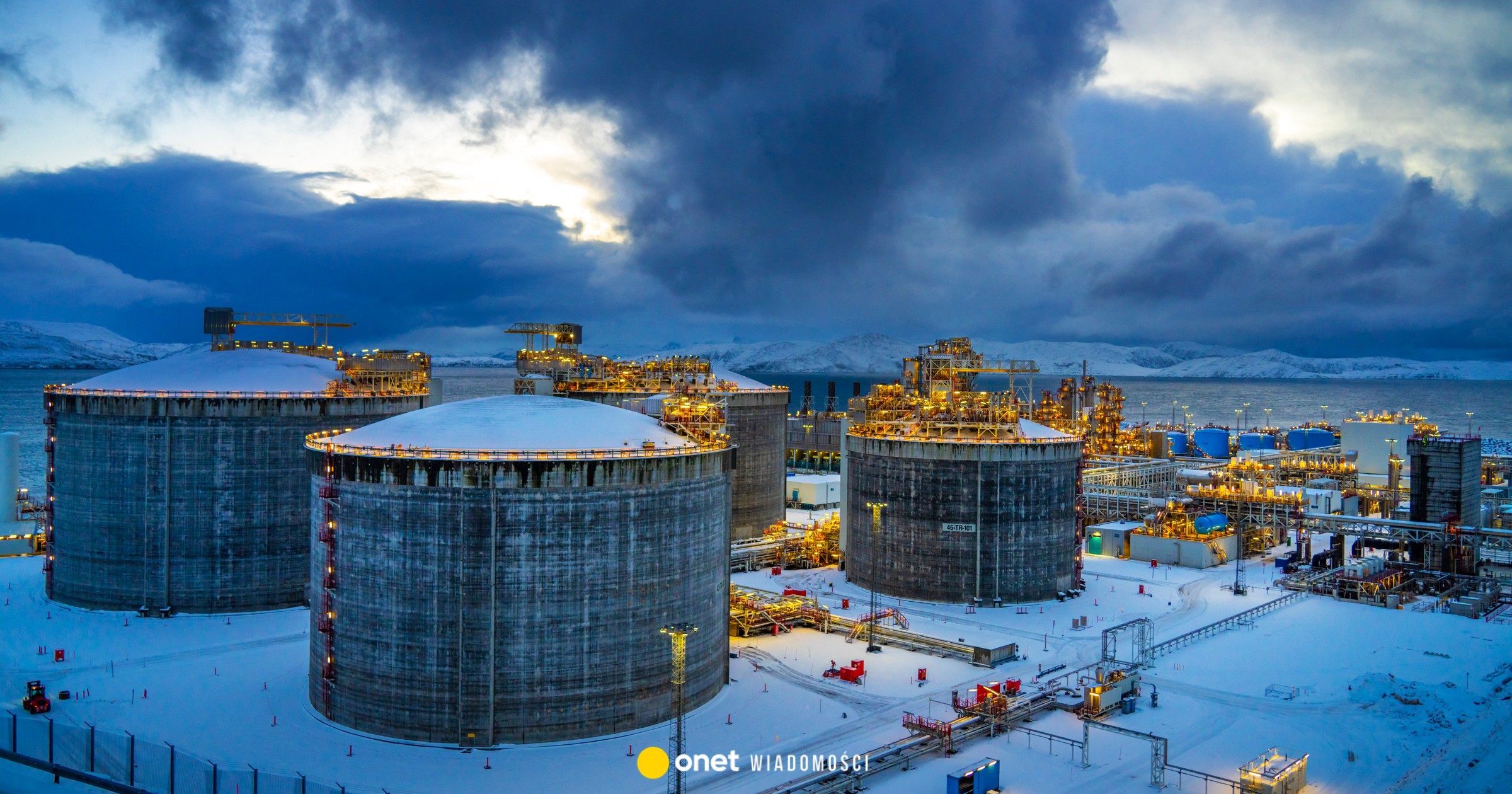
The situation is completely different in the far north, where it is located one country that is ahead of all – Norway. Few investors had this small Scandinavian stock market on their radar, but thanks to a 17% price increase. since the beginning of the year Norway is undoubtedly a beneficiary of the crisis caused by the conflict between the US and Israel with Iran.
Norwegian companies are rather little known. The most popular is probably Equinor, a large state-controlled oil and gas company. Thanks to the price increase by over 70%. (plus quarterly dividend) year-to-date, its stock is undoubtedly the big winner from rising energy prices.
Apart from Equinor, what treasures can you find on the Oslo Stock Exchange? In OBX, Norway's main index, 18 out of 25 companies have recorded increases since the beginning of the year. These companies can now add to your investment portfolio:
1. Fertilizers: Yara (plus 22% since the beginning of the year)
The shockwaves of rising energy prices are reflected in the fertilizer market. Those based on nitrogen and ammonia require gas as a raw material.
The resulting increase in fertilizer prices may further drive Yara's share price. The situation is reminiscent of the war in Ukraine in 2022: after the Russian attack in February, Yara's shares reached a temporary peak three months later, in May.
Yara produces in 25 plants around the world and sells fertilizers in over 140 countries. However, there are two problems:
- the company produces mainly in Europe and is therefore exposed to extreme increases in gas prices here, which negatively affects costs,
- In India, it was necessary to reduce production because it imports energy from the Middle East, and these supplies are currently suspended.
Both problems are hampering the stock's growth, despite the supposed upturn. However, Yara should structurally benefit from higher fertilizer prices.
2. Armaments: Kongsberg Gruppen (plus 48%)
Kongsberg Gruppen is a high-tech concern, known for modern missiles, such as NSM/JSM, and maritime technology (dynamic positioning, autonomous ships). Two investment levers result from this:
- armaments: the arms industry benefits from geopolitical tensions,
- ship technology: the mostly civilian maritime segment (Maritime) will be listed separately from April 2026. This will allow the area to better focus on its strengths. Additionally, the exchange favors concentrated business models over conglomerates.
Overall, Kongsberg's revenues grew by 21% in 2025. Profitability also increased. The order backlog exceeds last year's revenue by five times. Kongsberg has more than twice its net operating profit in reserve.
However, the stock is very expensive, trading at more than 40 times earnings or free cash flow, despite growth prospects.
A naval missile manufactured by the Norwegian company Kongsberg on display during the Madrid International Defense and Security Fair, May 12, 2025.THOMAS COEX / AFP / AFP
3. “Little Equinors”: Aker BP and Var Energi (both approximately plus 30 percent)
Aker BP and Var Energi produce oil and gas off the coast of Norway, making them direct winners of the current crisisand at the same time they are geographically far from the danger zone. Both oil and European gas reached high levels, which will improve results noticeably despite high Norwegian energy taxes.
Balance sheets will also become much more robust and, depending on the duration and severity of the crisis, could become net liquid.
Investors who consider Equinor too large and too popular a company might want to look around here. Especially since expected dividend yields are higher than Equinor's and should be generous, even reaching double digits.
4. Oil transport: Frontline (plus 40%)
Frontline is the world's largest operator of crude oil tankers and benefits greatly from geopolitical disruptions such as wars in the Middle East, which lengthen routes and therefore drive up daily freight rates.
Added to this is the fact that the world's fleets are severely outdated after the collapse associated with the financial crisis, and few new ships are being built.
To put it simply: less supply potentially meets greater demand.
Currently, cash flows are at record levels thanks to high spot rates, which translates into record dividends (currently around a 12% yield).
Despite its apparently high valuation, the company remains a clear beneficiary of persistent energy and fleet shortages, and this will likely continue beyond the current crisis. Shares can be interesting on larger declines, but are prone to strong swings.
5. Subsea: Subsea 7 (plus 26%)
Subsea 7 is a leading provider of subsea and deepwater solutions for the oil & gas and offshore wind cable sectors. High oil prices are driving investments, leading to a record order portfolio worth USD 13 billion 800 million. (PLN 50,893 million), i.e. 1.3 times revenues, and revenue growth in 2026. Margins are also increasing.
The industry has consolidated in the past. Subsea 7 itself merged with the Italian Saipem. This strengthens its negotiating position towards large corporations.
Announced dividend of USD 400 million. (PLN 1,475 million) means a rate of return of over four percent, with an upward trend and developing operations.
6. Aluminum: Norsk Hydro (plus 16%)
Norsk Hydro is a leading global aluminum producer, focusing on production, recycling and own hydropower (Hydro Energy). Amid the current geopolitical turmoil, aluminum prices are also rising rapidly (plus 10% year-to-date, 10-year high except for a peak in 2022), boosting production and margins.
Norsk Hydro is to aluminum what Equinor is to oil and gas. The economic situation (demand for aluminum) remains an open question. Overall, however, Norsk Hydro benefits from higher prices and is in a better position than, for example, Yara because energy in Norway is cheap (oil, gas and, above all, hydropower).
The current dividend yield is 3.3 percent and is likely to increase in the future. The balance sheet shows very little debt and is clean.
What else does the Norwegian stock exchange offer?
In addition, the main index includes, among others, three companies from the fish industry (Mowi, Salmar, Bakkafrost), the telecommunications concern Telenor, the market-leading manufacturer of bottle return machines Tomra and DNB Bank. However, there is no obvious beneficiary of the current situation among them.
To summarize, in the current situation the Norwegian stock market offers great opportunities – especially if we assume that pressure on energy markets will continue. Before purchasing, however, investors should be sure to check valuation indicators: currently, companies that have direct contact with raw materials react particularly sensitively to reports (about the conflict in Iran). This often causes large fluctuations in the prices of individual shares during the day.