Russia's 'Black Widows': Accused of Marrying Soldiers, Just for Death Compensation. “I can't prove feelings in court”

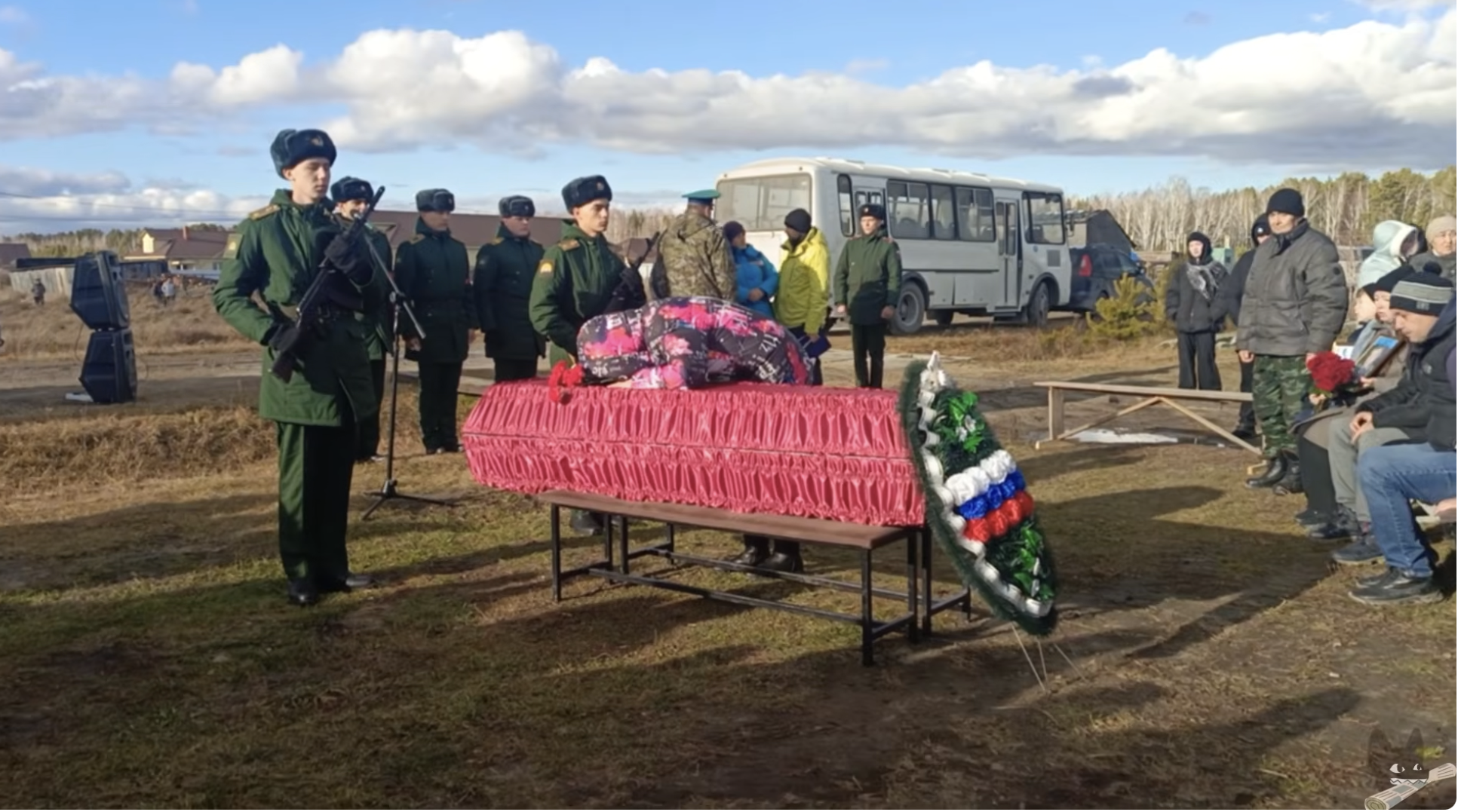
The term “black widows” began to circulate more frequently in Russia after the war in Ukraine began. The phrase is used to describe women who quickly marry soldiers who are due to go to the front, sometimes even “one day”, and who later claim the $60-$70,000 state death benefits. A report made by the YouTube channel “Ostorojno, Sobchak” shows the extent of this phenomenon.
- Some analysts in Russia, however, point out that the label may contribute to the stigmatization of women who in reality had legitimate relationships with the military.
The case of Gheorghi Kostîrko (“Ghera”) and Angelina: a contested marriage after death
A very detailed case, which was presented in the report made by the YouTube channel “Ostorojno, Sobchakis that of Gheorghi Kostîrko, called “Ghera” by the family, and his wife, Angelina. The soldier's mother claims that the relationship was short-lived and that the family did not even know about the marriage when the man was alive. According to her, things happened extremely quickly, in a context where the formalities could be completed in a single day.
“They didn't live together, they didn't have a common life. I can't say it was a family. They met a few times, after which they decided to go and register the marriage. We weren't notified, we didn't participate, we didn't even know that this person existed in his life,” says Gheorghi's mother.
She also describes the moment she found out about the situation, after the death:
“For us it was a huge shock. First we found out that he died, and then that there was a wife we didn't know anything about. At the same time that we were trying to understand what happened, she was already dealing with the documents,” the woman claims.
The accusations against Angelina are direct and related to the moment when she started the steps to obtain compensations:
“When Ghera died, she immediately started submitting documents for payments. She didn't come to us, didn't talk, didn't try to establish contact. For us, it was as if everything came down to money only,” says the deceased man's mother.
The family tried to annul the marriage even after the soldier's death. According to the report, the court accepted the divorce on the basis of a general power of attorney, but the decision no longer entered into force, because Gheorghi died before the procedure was completed.
Angelina: “I can't prove my feelings in court”
Angelina, interviewed in the report, rejects the accusations and claims that the relationship was real, even if it was short-lived. She explains that the decision to marry was made by mutual consent, in a context where time was limited:
“We communicated, we met, we decided together that we want to be together and that it is normal to formalize the relationship. It was not a unilateral decision and there was nothing fictitious about it,” the woman claims.
Regarding the family's accusations, Angelina says she is put in an impossible situation:
“I don't understand why I now have to prove something that can't be proven. How can I prove feelings? How can I explain what was between us? These things can't be measured or documented,” she says.
The woman insists that she is acting according to the law and that she sees nothing wrong in claiming her rights:
“I'm his official wife. There's a marriage certificate. Everything that's due to me by law, I'll take. I'm not asking for anything extra, I'm not doing anything illegal. The state has set these rules, and I'm just following them.”
Angelina also suggests that the family's reaction is influenced by the financial aspect:
“After death, everyone starts saying it wasn't a real relationship. But when the man was alive, no one asked such questions. Now it's convenient to say that,” she claims.
Other cases: quick marriages and families who find out too late
The report presents other similar situations, in which relations evolved very quickly, against the background of the imminent departure to the front. The mother of another soldier says that her son got married after only a few dates:
“They practically didn't know each other. They met a few times, then very quickly went and registered the marriage. Everything happened in a few days, and then he left. We didn't even have time to understand what was happening.”
After the death, the family learned that there is a wife who has the exclusive right to the compensations:
“We found out after the death that there was a wife. We were not notified, we were not invited to the wedding, we had not seen this person in his life before. For us it was a total shock.”
Several families try to challenge these marriages in court, but face clear legal boundaries. A lawyer explains in the report:
“If there is a marriage certificate, the court starts from the premise that the relationship is legal and valid. There is no criterion in the law to determine whether or not it was love or whether the relationship was genuine. How do you prove that people did not have a real relationship? That they had no intention of living together? These things cannot be proven easily. That's why in many cases such lawsuits are almost impossible,” explains a woman.
Informational chaos after the death of the military
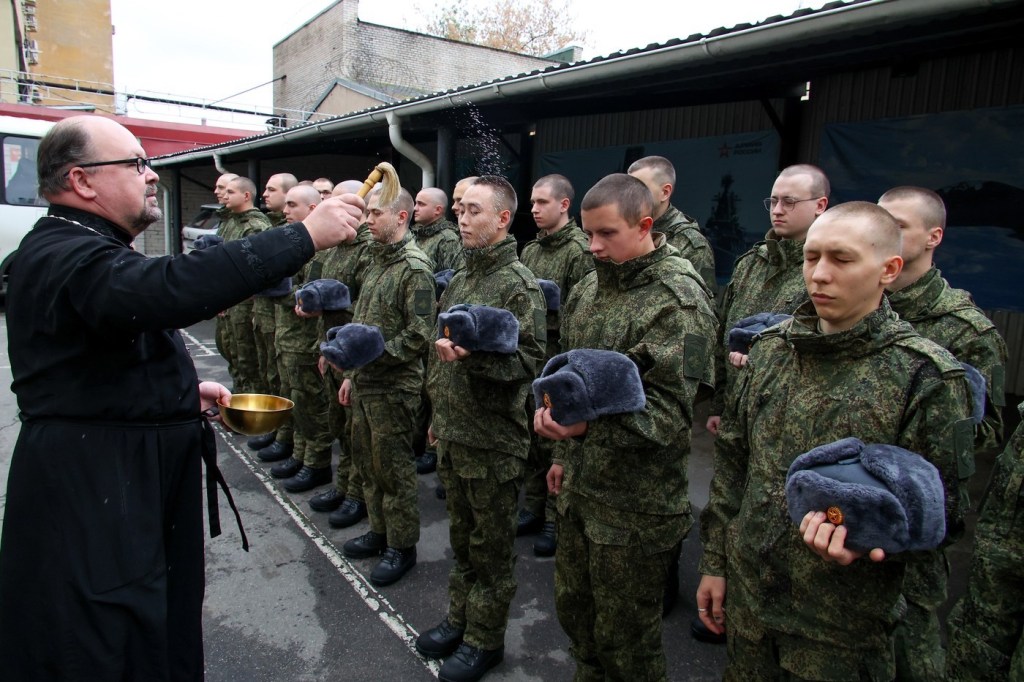
The report also captures how families find out about the deaths of those sent to the front, often in confusing conditions and without clear explanations. One of the interviewees recounts:
“We were told very simply: these are the remains that were found. What exists, those are the ones you will receive. Nothing was explained to us, we were not told how he died, under what conditions.”
In another case, relatives describe a sequence of contradictory information:
“At first we were told that he was missing, then that he was injured, then that he was dead. No one could give us a clear and definitive information.”
The phenomenon was reported in Russia after the outbreak of the war in Ukraine, in the context of which the Russian state introduced compensatory payments that can reach up to 60,000 dollars for the families of deceased soldiers and simplified administrative procedures, including the registration of marriages.
In this context, there have been reports of relationships and marriages ended very quickly before going to the front, followed by disputes between military relatives and legal wives regarding access to compensation. The term “black widows”, popularized in the media and online space, is used to describe these cases, but there are no clear official data on the extent of the phenomenon.
Some analyzes draw attention to the fact that the situations are difficult to prove legally and that the label can contribute to the stigmatization of women who had, in reality, legitimate relationships with the military.