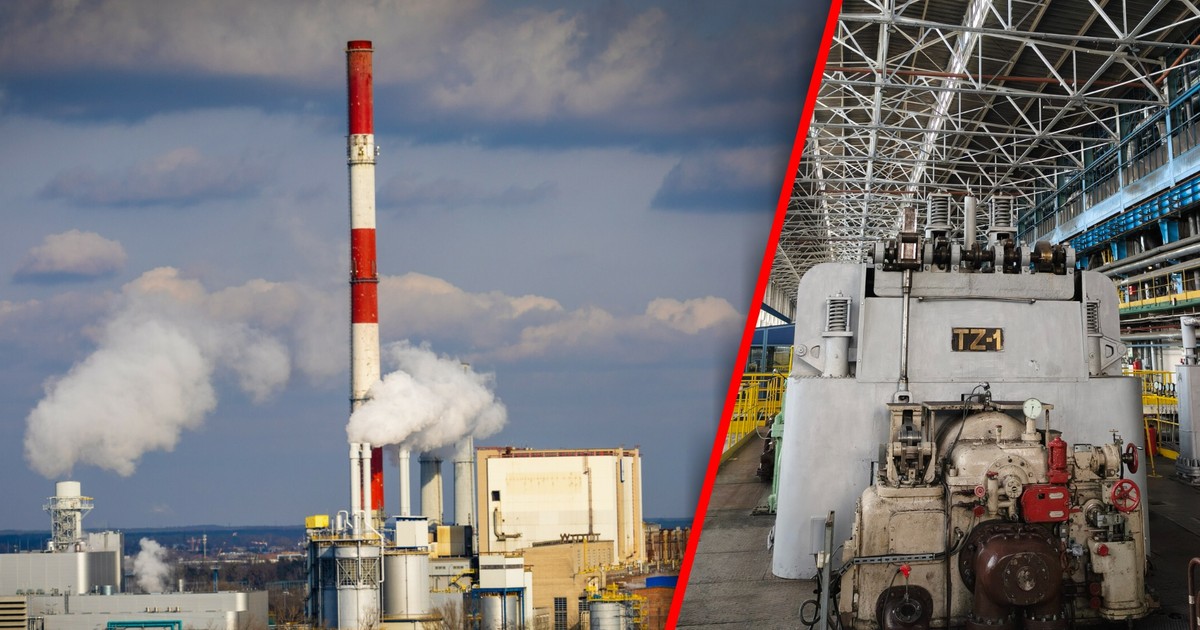
The heat and power plant is a critical infrastructure, which means that visiting it, and even more so taking photos, is strictly regulated. The editorial staff of Business Insider Polska visited EC Żerań together with a delegation of Swedish entrepreneurs coming to Poland on an economic mission. It is on this occasion that Orlen TERMIKA, to which belongs to the complex, allowed us to visit this unusual facility.
Although the plans to build a heat and power plant in Żerań date back to the pre-war period, the idea was one of the first such large investments in the newly formed Polish People's Republic (the name had been officially in use since 1952). And in this case, the investment was quickly successful, because the first boiler and turbine set were launched in 1954 – just two years after construction began. The location is not accidental.
Engine room
|
Grzegorz Kowalczyk / Grzegorz Kowalczyk
Water shortage has always been one of the greatest challenges for the heating industry, and it is no accident both main plants in Warsaw they stand above Vistula. In the transitional period and summer, the demand for technological cooling is greater, in winter it is smaller – which determines the selection exchangers and cooling circuits. This is also an argument for current investments in waste heat recovery and exhaust gas condensation.
The rest of the article below the video:
Initially, the complex supplied heat to Praga, Żoliborz and Śródmieście. Today, the entire heating system in Warsaw, of which Żerań is a part, covers 80 percent. heat demand and over 60 percent electricity demand.
— Our combined heat and power plant plays a very important role for the power system – over 1.2 GW of electrical power means that we fill the gap left by photovoltaics almost every day after sunset – adds Olszewski.
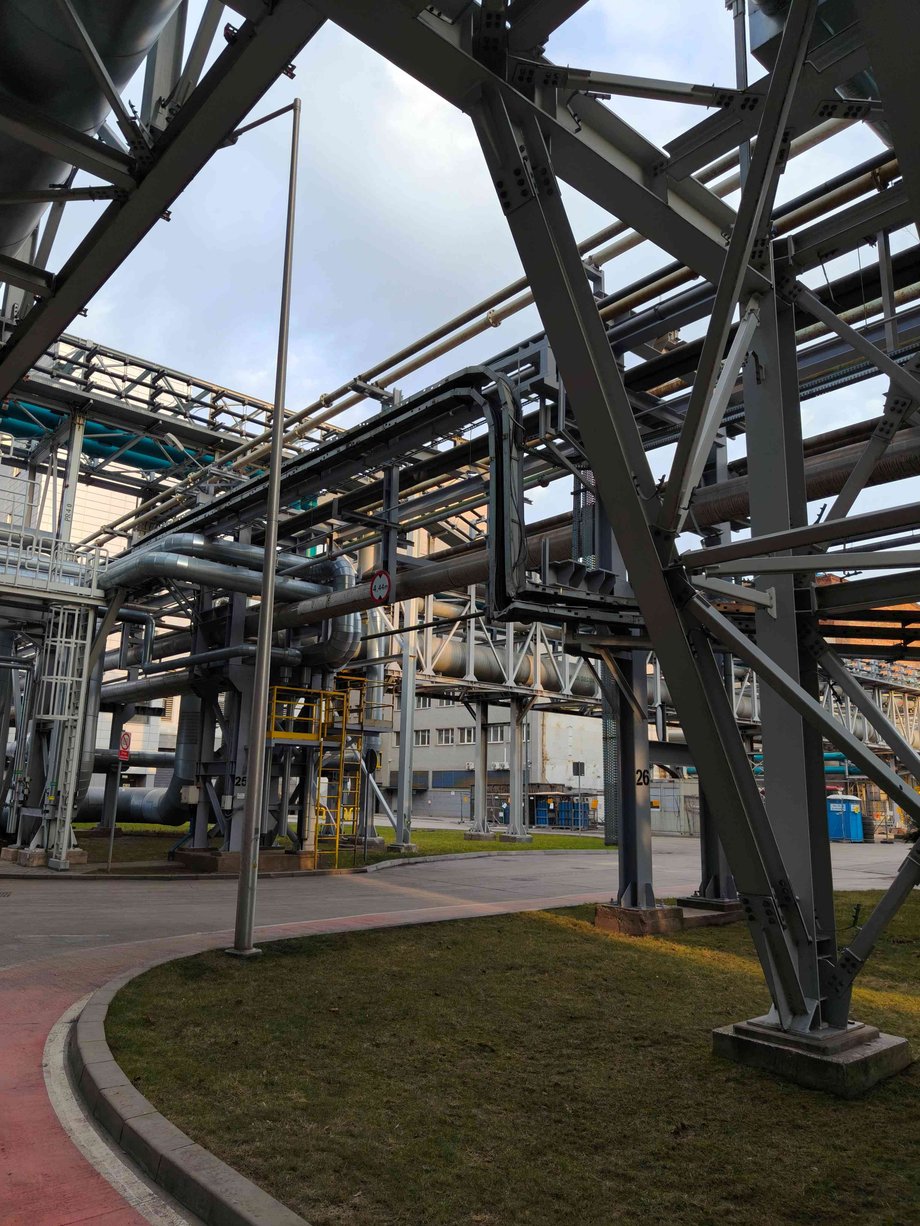
Heat and power plant in Żerań
|
Grzegorz Kowalczyk / Grzegorz Kowalczyk
In its early days, Żerań – next to an even larger installation in Siekierki (today the largest in the EU) built a few years later – was responsible for the heat of buildings and new apartment blocks rebuilt after the war, which – just like thermal power plants – they were to become the showcase of the system.
Traces of the legacy of the Polish People's Republic are still visible today, and coal still plays its role. — We maintain coal units in our strategy until 2035 – they will be gradually phased out. We do this mainly to withstand turmoil in the fuel market – as evidenced by the situation over the last few days – said Michał Olszewski, vice president of ORLEN Termika, during the visit.
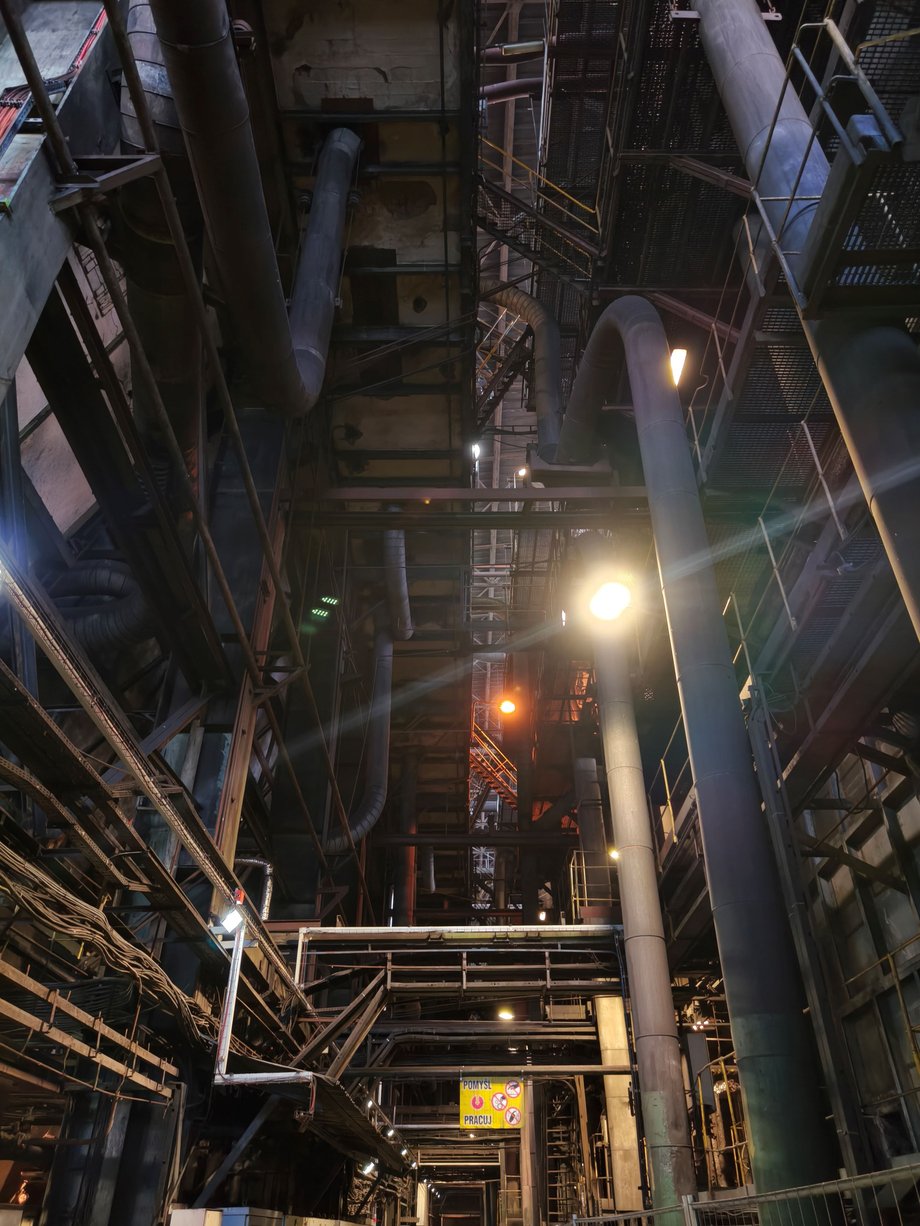
Boiler
|
Grzegorz Kowalczyk / Grzegorz Kowalczyk
In Żerań you can see the changing energy eras – from post-war launch in 1954By ecological modernizations (including fluidized bed boilerstechnological sewage treatment plant), after gas return of recent years with a new block and peak gas boiler rooms (first one submitted December 3, 2021the second one completed in 2023).
Now the Heat and Power Plant in Żerań is a tangible example of the ongoing energy transformation. The most important evidence is the gas and steam unit – an investment carried out in 2017–2021. The unit has approximately 496 MWe of electrical power and 326 MWt of thermal power; and annually it can produce approximately 3.0 TWh of electricity and 1.9 TWh of heat, displacing a significant part of the operation of old coal boilers.
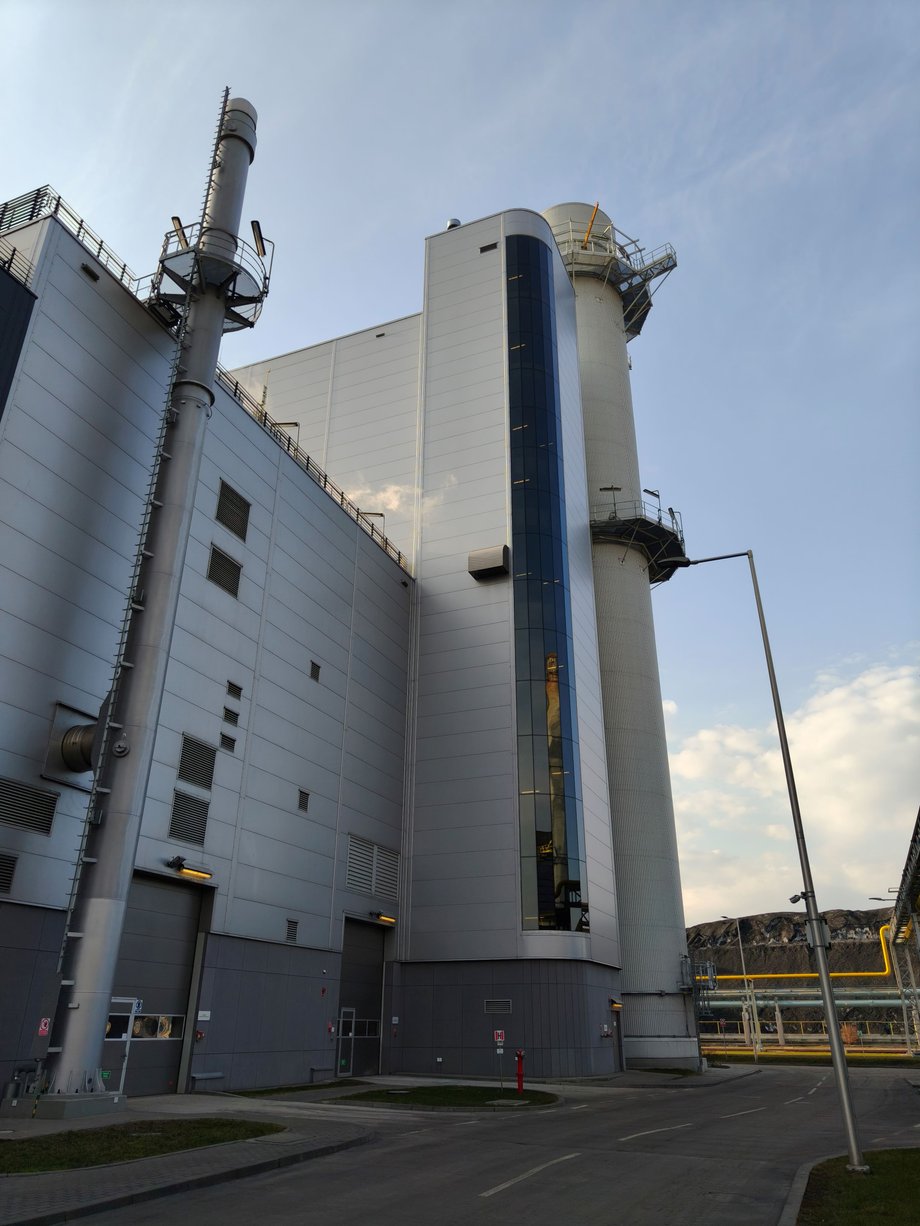
Gas and steam unit
|
Grzegorz Kowalczyk / Grzegorz Kowalczyk
At the same time, the company is strengthening “green” components: biomass (including exhaust gas condensation), heat recovery from sewage, RDF, heat storage, as well as heat pumps on a scale that – as we hear – will double what Vienna and Berlin boast about today.
— We have spent less in the last 20 years than EUR 2 billion for investments reducing the environmental impact of plants; the plan for the next ten years is over EUR 4 billion – says Vice President Olszewski.
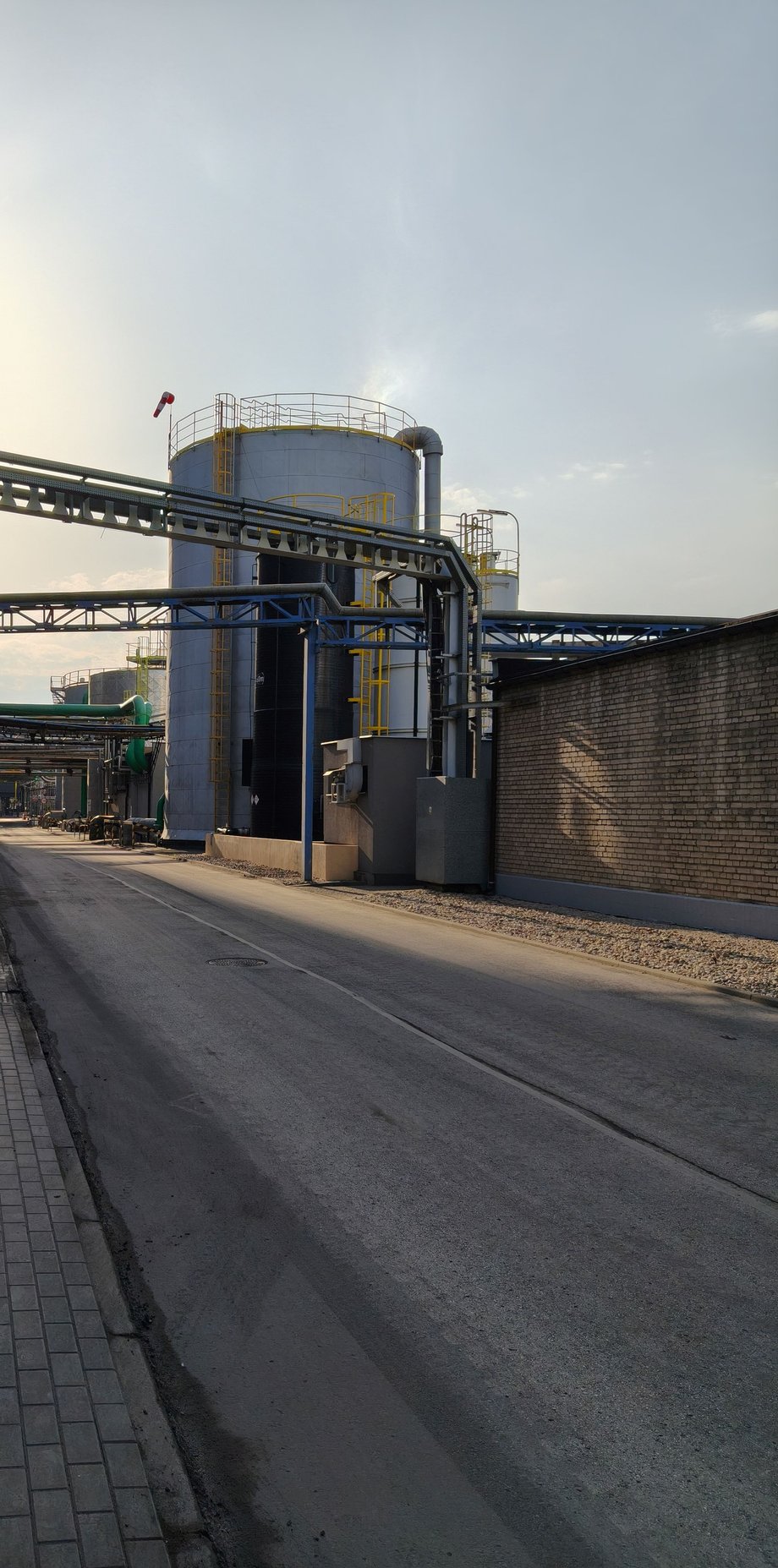
The heat and power plant is changing dynamically
|
Grzegorz Kowalczyk / Grzegorz Kowalczyk
– We maintain the fuel structure as diversified as possible – so as not to move from one monopolized market to another – he states. The transformation plan for 2027–2029 assumes, apart from gas units, among others: heat pumps based on heat recovery from sewage (approx. 250 MWt), exhaust gas condensation (recovery over 170 MWt), as well as a multi-fuel unit (biomass and RDF) and biomass boilers – he explains.
This will mean more for the inhabitants of the capital certainty of supplies and less price fluctuations resulting from possibilities heat storage and stabilization work various sources.
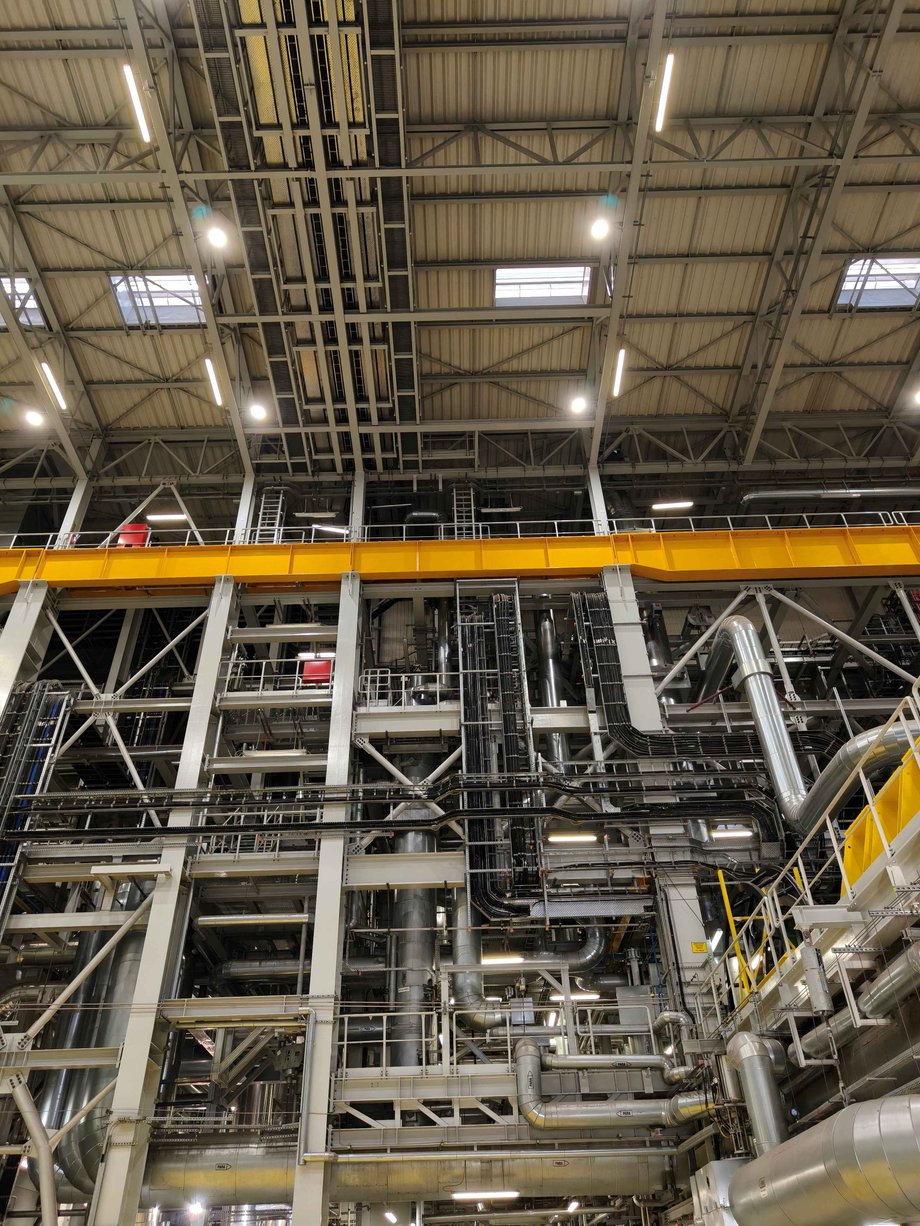
Gas and steam block from the inside
|
Grzegorz Kowalczyk / Grzegorz Kowalczyk
The largest heat accumulator on the Old Continent
However, it will primarily become a symbol of the next step in the modernization of Żerań heat accumulator. It's a cylindrical tank about capacity 61 thousand m3 and 70 m height (diameter approx. 36–37 m) which will become the largest in the European Union network water storage, allowing for “postponing” part of the production in time i stabilize operation of the entire system.
Read also: The largest “thermos” in the country will be located in Żerań. There is no such reservoir in the entire EU
Preparatory work and contracting are ongoing, and the company has acquired PLN 762.5 million preferential financing from KPO for the largest exhaust gas condensation system with heat pumps in Europe.
— The largest heat accumulation reservoir in Europe will be herej – approximately 61 thousand m3 of water, 70 meters high, 37 meters in diameter – Olszewski points out, showing a visualization next to the construction site.
– It's a bit like a game of chess – we install new devices in a working plant, sequentially turning off and switching on subsequent units – he adds. Work on the battery in Żerań is scheduled to be completed next year.
Warsaw is an exception in Europe
The decline after the times of real socialism has become a phenomenon on a European scale – today Warsaw is the largest EU heating market before Berlin and Vienna.
— Our lowest level of heat production for Warsaw is 350 MW, and the maximum power we have in the contract is over 3,800 MW. This shows the degree of flexibility in which we have to move between summer and winter — Michał Olszewski. The system must withstand even 120 C in the power supply network and frosts of the order –20°C, which happened this winter.
Grzegorz Kowalczyk, journalist of Business Insider Polska