Açaí berries from the Amazon are conquering the world. Farmers in Brazil are risking their lives

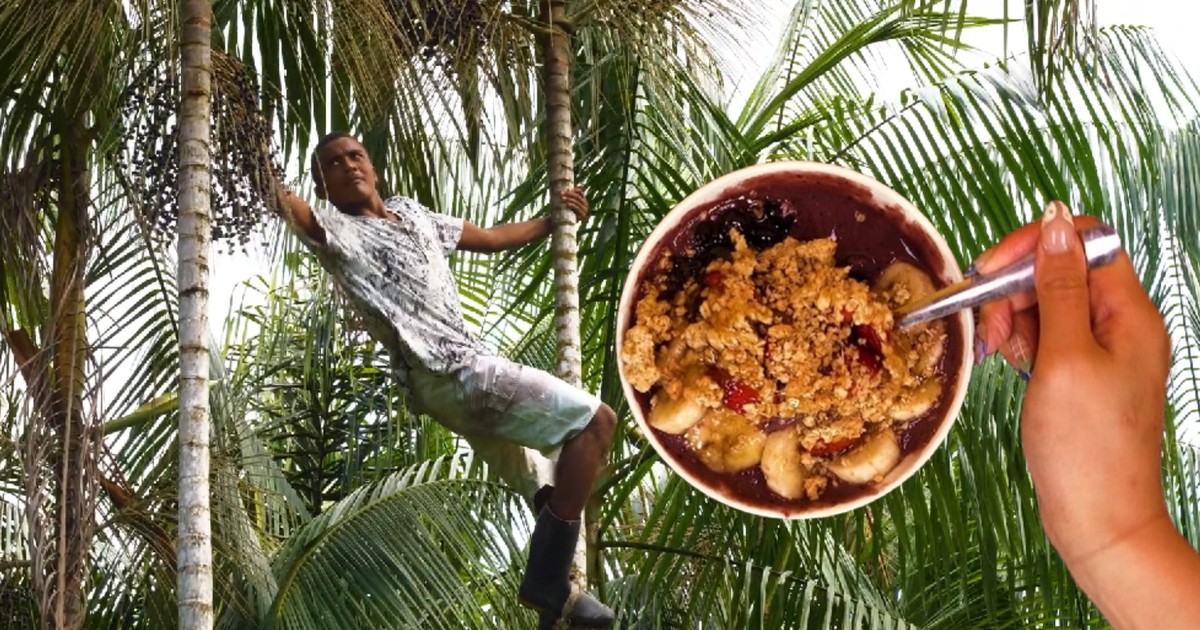
Picking açaí berries is dangerous work in Brazil. Workers climb thin palm trees growing deep in the Amazon jungle.
“You can be at the very top and grab a bunch and it might break because it's fragile,” explains açaí picker Lucas Nogueira.
These berries have become one of the most popular superfoods in the US, and they don't come cheap. One bowl can cost up to $15. And while these berries have gained enormous popularity in recent decades, small farms like this one haven't been able to make a profit from it.
A small part of the money goes to us
Lucas admits.
To this day, most açaí berries in Brazil are harvested by families on small farms. But large plantations are gaining in popularity, putting pressure on families like Lucas Nogueira's and a way of life that stretches back generations.
— Açaí berries are a gift from God. They are very important to us because of their nutrients, says one of the collectors.
Read also: This fish costs more than wagyu. Fishermen risk their lives to catch one fish
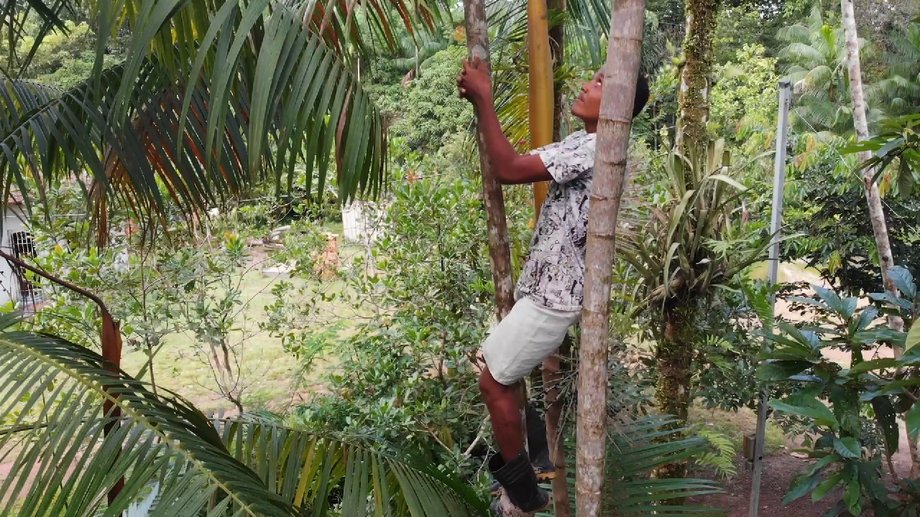
To this day, most açaí berries in Brazil are harvested by families on small farms
|
Business Insider
Why have açaí berries become so fashionable? What is the cost to people who have been collecting them for generations?
We met Lucas at the end of the 2021 harvest, but there were still some berries left on a few trees. His family's farm is located about 110 km from Belém, the capital of the state of Pará, where over 90% of the crop is grown. açaí in Brazil.
The only tool they use for climbing is a rope called a peconha. They used to be made of leaves. Today, Lucas' son, Luis Fernando, will climb the tree.
—Pick only ripe berries. You can climb, but be careful, he instructs.
The trunks are thin, so climbers must be light.
– It's dangerous. You can get to the top and then the tree can break. You might break your arms or legs, says Luis Fernando, an açaí picker.
At the top of the tree, pickers swing to reach the many clusters. Climbing down can also be dangerous, especially if you're carrying a large knife and have your arms full of branches. Dropping them could damage the delicate fruit.
— Thank God I never fell. I hope it doesn't happen, says Luis.
— But I fell three times. Fortunately, I've never hurt myself,” Lucas echoes.
However, the risk does not end with climbing.
“You can meet various animals here, such as snakes,” he adds.
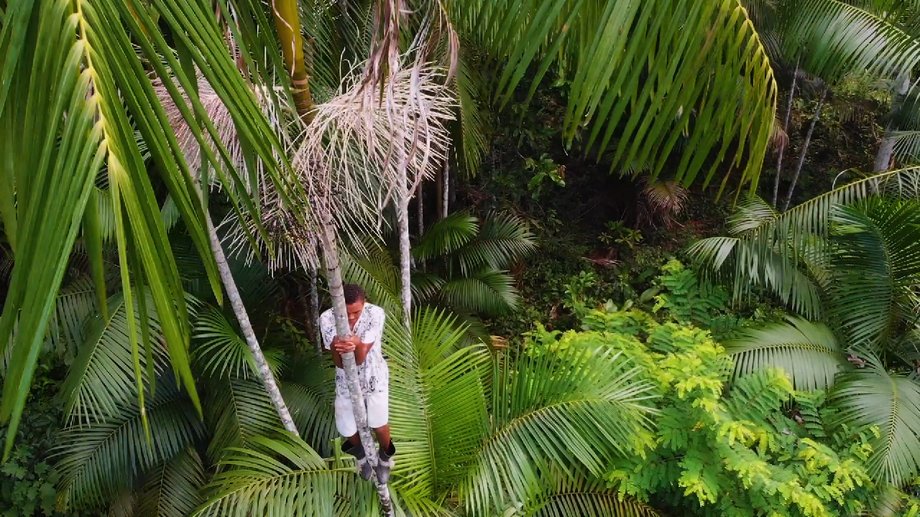
At the top of the tree, pickers swing to reach the many clusters
|
Business Insider
Lucas and his family collected 53 of these baskets, earning an income of approximately $950. That's just 44 cents per kilogram. Meanwhile, a kilogram of processed açaí sorbet can cost $15 in the US. or more.
Part of the problem is that Lucas needs to sell the harvested açaí berries as quickly as possible because the fruit spoils quickly. This leaves farmers who do not have processing machinery with little bargaining power.
— We don't have any industry in our community. We sell to intermediaries, and then the fruit goes to the people who benefit most from it, says Lucas.
Traders bring açaí to Belém by boat. Selling fruit before it spoils is a race against time, so the fair runs all night long.
— Blueberries picked today will last a maximum of 48 hours. 72 hours is too long, explains the seller.
The price of the baskets changes every day depending on demand.
— Today, the average price of such a basket is 60 reais (approx. PLN 40) — he adds.
Most of the açaí produced in the state remains in Brazil, but exports have increased rapidly, reaching about 14,000. percent growth between 2011 and 2020. Some of the berries are transported to processing plants such as North Açaí.
Every day, 22 tons of fruit are processed into the frozen pulp, or açaí, which most people outside the state of Pará are familiar with.
— The açaí berry consists of a membrane and a seed. The seed makes up about 95 percent. berries – explains André Lima, CEO and founder of North Açaí.
At this stage, the largest price increase takes place, by approximately 177%.
– This product must be frozen in less than 24 hours. We're moving it here, to the cold store. The pulp stays here at minus temperature, he adds.
Read also: Brie and Camembert may disappear from the market. Scientists warn against mold extinction
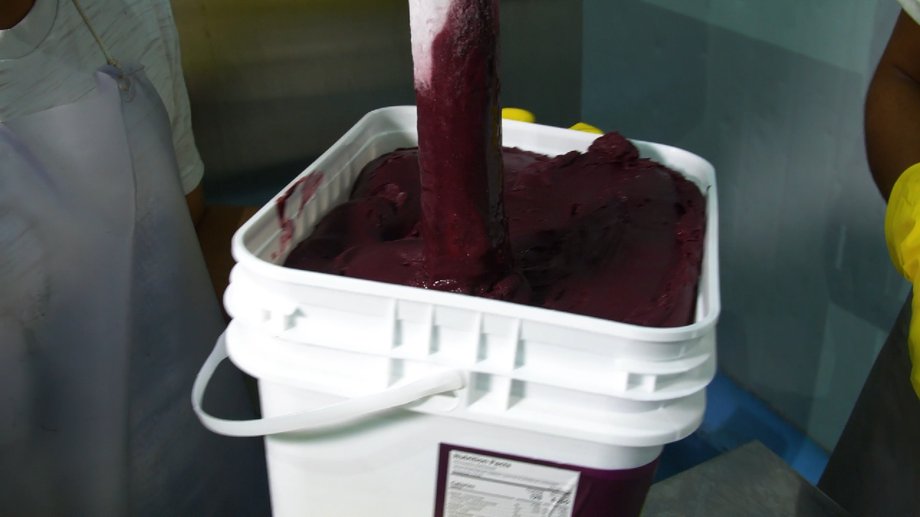
Every day, 22 tons of fruit are processed into frozen pulp
|
Business Insider
Açaí part of training culture
Currently, over 70 percent of exported Brazilian açaí goes to the USA
“Our products go to Florida, New York, New Jersey, all over the East Coast,” says André.
Açaí grew in popularity in other Brazilian states in the 1980s, when it became part of the workout culture in Rio and São Paulo. Açaí bowls regularly appeared on the popular 1990s soap opera set in a gym.
The high calorie content made it an ideal pre- or post-workout food, and the antioxidants in the berries helped promote them as a superfood.
This has led to claims that açaí can solve all kinds of health problems, such as…
— Obesity, type 2 diabetes, coronary heart disease, strokes, hypertension, high risk of coronavirus, cognitive disorders, sexual disorders – says Marion Nestle, professor emeritus at New York University.
However, nutritionists say these claims are exaggerated. Nevertheless, Americans were delighted and prepared various types of açaí bowls, adding fruit, granola, honey and other ingredients.
However, this is far from the culture of people who have been eating them for a much longer time. The indigenous people of the Amazon have been collecting and consuming açaí for centuries, perhaps even millennia.
It is still a staple in the daily diet of the people of the state of Pará, who eat it fresh with savory dishes.
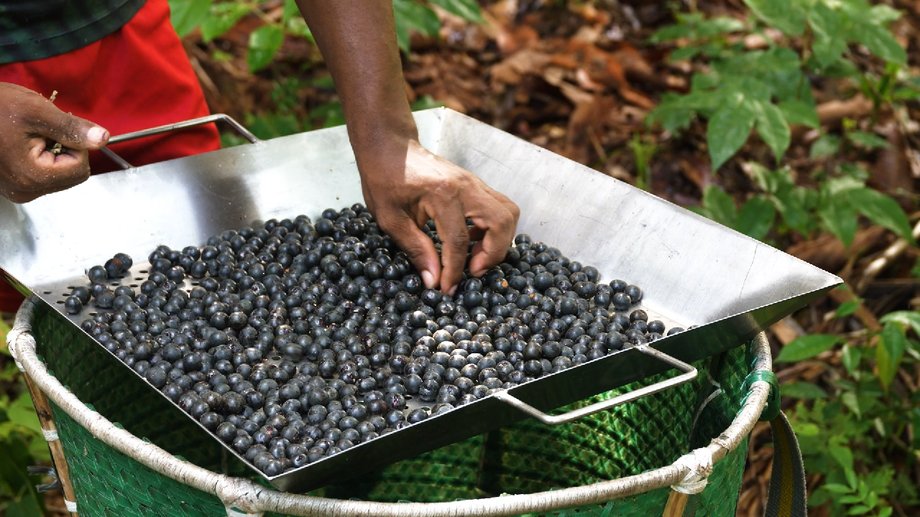
There have been claims that açaí can solve all kinds of health problems
|
Business Insider
The work is passed from father to son
Lucas was 12 years old when he started climbing vegetable eutherps. 36 years later he's still doing it.
I collect for myself and to help my parents. I decided that my parents could no longer support me financially. I started collecting açaí to support myself and buy clothes and shoes
– he admits.
In recent years, açaí has also made headlines in the US and Brazilian media amid reports of child workers in the industry.
Farmers like Lucas, however, say it has always been this way and that it is normal for all family members to help and learn the trade.
“It's a culture that passes from father to son, from grandfather to grandson,” he says.
Lucas currently owns the land with 55 other families. These types of settlements are called quilombos or quilombola communities, and many of them have a centuries-old tradition.
They were founded by enslaved Africans and the descendants of Africans who escaped into the jungle and built such communities to survive.
Many of them learned from indigenous people how to harvest and process local foods, including açaí. The Brazilian government estimates that there are almost 6,000 quilombola communities in the country, and a 2013 study found that about 75 percent of them still live in extreme poverty.
— It's a “rich” community. We are financially poor but spiritually rich, says Lucas.
Lucas's vegetable eutherps grow alongside a variety of native trees and plants, but larger monoculture plantations that produce more fruit are becoming increasingly popular. Since 2006, the area of land used for these plantations has more than tripled.
“What is being created is a homogeneous system that is very sensitive and not very resistant,” says Francisco de Assis Costa, professor of Amazonian culture studies, Federal University of Pará
These plantations are often located away from floodplains where açaí trees grow naturally. This means large producers must irrigate their açaí trees, while farmers like Lucas rely on natural, seasonal flooding from a nearby river.
“There's also the issue of biodiversity because the Amazon is being turned into a plantation,” adds Francisco.
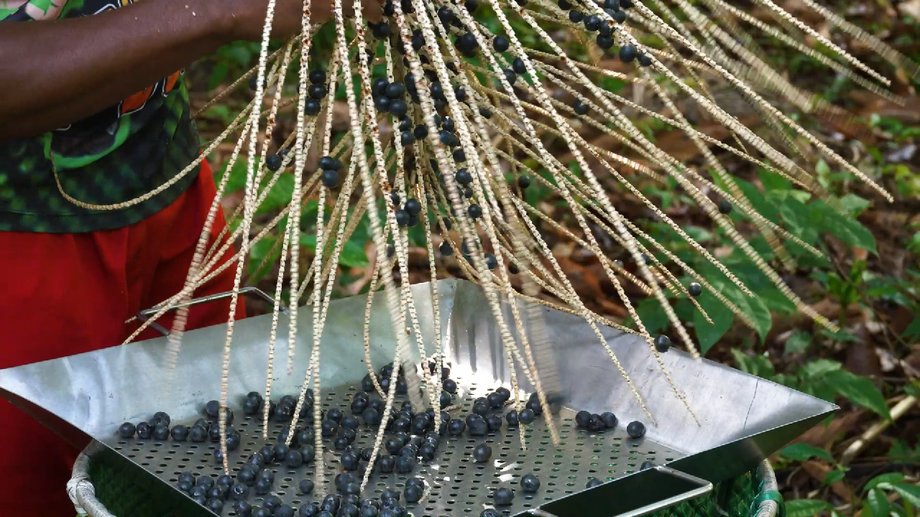
In recent years, açaí has also made headlines in the US and Brazilian media following reports of child workers in the industry.
|
Business Insider
Some small producers prefer vegetable eutherps over other trees, which can become a problem in the long run. Experts fear that as açaí grows in popularity, the cultural traditions of the Pará and Amazon regions may disappear.
— Açaí is becoming a commodity, which is bad. It's quantity, not quality, that counts, says Francisco.
Açaí is a source of pride for Lucas and many other people in the region.
Here is the process of obtaining açaí for local consumption. Add some flour. I take a spoon and eat chicken, beans, rice, and then some açaí. Try eating like we do to really experience the taste of açaí from Pará. It's natural, pure açaí. This way you can experience its delicious taste
says Lucas.