Why do some people end up taking their own lives? The explanations of a psychologist after the latest tragedy on the subway in Bucharest

A 22-year-old man died after throwing himself in front of the subway, at the Piața Unirii 2 station in Bucharest, on March 12, 2026.
Photo source: Pixabay
The incident blocked traffic and mobilized firefighters, doctors and police, but beyond the intervention protocols remains a question that society often avoids: how does a man get to the point where death seems the only solution?
Anatomy of a tragedy
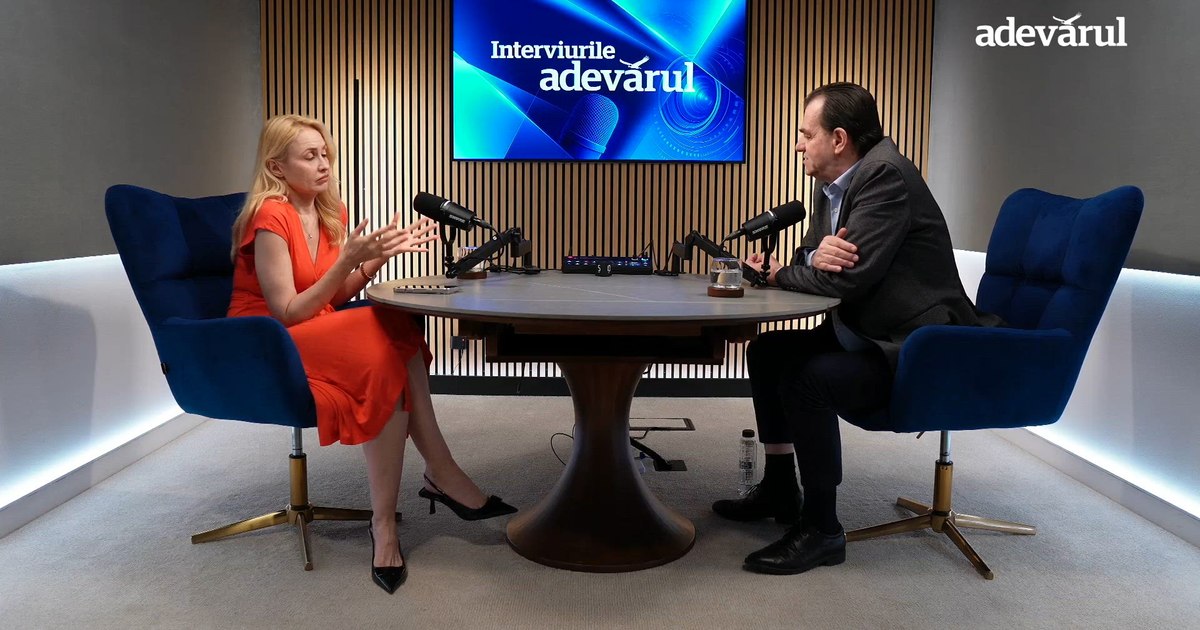
“Suicide is never the result of a single cause. It occurs at the intersection of deep psychological distress, personal vulnerabilities, mental disorders, social pressures and difficult life circumstances. Mental health research shows that we need to make an essential distinction between long-term risk factors – such as depression, chronic stress or a history of suicide attempts – and immediate warning signs, which indicate that the person is in an acute crisis.” explains clinical psychologist Mirela Maftei for “The Truth” .
The specialist emphasizes that, in many cases, suicide is not a real desire to die, but a desperate attempt to escape from a suffering perceived as endless. For those who have not gone through such an experience, it can be difficult to understand how life can become so oppressive that it is no longer perceived as bearable, she points out.
According to him, in severe depressive states the person perceives existence as worthless, the future as hopeless, and the world as hostile or indifferent. This perception is not simple sadness, but a distorted way of seeing reality, in which the mental suffering becomes so intense that the individual no longer perceives alternatives.
The signs we ignore
“In this context, warning signs frequently appear: social isolation, anhedonia, sleep disturbances, negativism, self-blame, talk of death, loss of meaning in life, or sudden changes in behavior. These signals are essential for early intervention and should not be ignored.”she adds.
There is an old debate in the literature regarding the idea of
“cry for help”:“Some suicidal behaviors may have a dimension of distress communication – an attempt to convey to the world how much it hurts that cannot be expressed otherwise. It is important to understand that warning signs should not be minimized or interpreted as mere attempts to get attention. Research shows that these signs are real indicators of risk and prompt intervention is required.”
In reality, adds Mirela Maftei, people in a suicidal crisis experience a deep ambivalence: part of them wants to get rid of the pain, but another part would like to be saved.
“The public place can facilitate the visibility of the cry for help and increase the rapid intervention of passersby, but the choice of space often reflects impulsiveness, the need to be seen or the accessibility of means, together with the desire to convey a message to the community. The important thing is that, regardless of the context, the gesture remains an expression of extreme suffering.”
The witnesses, the invisible victims
In fact, Mirela Maftei also talks about the impact on those who attend such an event. “Little is spoken about the impact that a suicide can have on those who witness such an event. In reality, witnesses can themselves become silent victims of the tragedy, carrying with them images, emotions and questions that can linger long after the moment itself.” points out the psychologist.
Faced with such a shocking event, the psychological reactions are often intense and varied, she points out. For example, many people experience states of shock, helplessness, anxiety or guilt, wondering if there was anything they could have done to prevent the tragedy. Others may be left with intrusive images or persistent thoughts about the fragility of life. “For some people, especially if the experience is very violent or unexpected, symptoms specific to post-traumatic stress may even occur,” attracts the specialist's attention.
One thing is clear: most people are not prepared to react in such a situation. “Without guidelines or education on recognizing warning signs and intervening in a crisis, witnesses can be left with a crippling sense of helplessness,” she claims. Studies show that people differ significantly in the way they interpret risk signs and in their ability to intervene, which highlights the need for community mental health education programs in suicide prevention.
The psychologist points out that the impact can be even more profound when the witnesses are children or teenagers. “For children and adolescents, exposure to such an event can have significant psychological effects. They do not have the ability to know or process or tragedy of this type, and the experience can generate anxiety, fear or confusion.” she explained.
In these situations, the role of parents becomes essential: calm communication, providing a safe space for expressing emotions and, if necessary, calling for psychological support. All of these can reduce the traumatic impact.
Criticism Closes Doors, Critical Thinking Opens Minds: How to Turn “You're Wrong!” in “What can we make of it?”
Finally, tragedies of this type do not only affect the person who suffers, but can reverberate throughout the community. They remind us how interconnected our lives are and how important it is for society to develop more empathy, education and the ability to intervene when someone goes through difficult life situations, Mirela Maftei believes.
How the internet reacted: between outrage, empathy and anger
Shortly after the subway tragedy, an outraged post was widely circulated on Reddit. Her title was: “Please stop killing yourself in public for scaring children.” The original post was later deleted, but the discussion on r/RoGenZ remained and garnered hundreds of reactions.
The dominant tone of the comments was one of outrage at the lack of empathy of the person who started the discussion. Many users said the wording shifted the focus from the drama of the person who took their own life to the discomfort of those around them, in a way they found brutal and inhumane.
One user wrote: “I think I'd slap my face in shame if I heard a parent talk like that about a man who took his own life. I feel sorry for that young man, I don't know what he went through and what troubles weighed on his soul, but I hope he's in a friendlier and more peaceful place than this earth.”
Several participants in the discussion insisted on the idea that, in a suicidal crisis, a person no longer thinks in terms of the comfort of those around him. One user wrote: “When you say that nothing matters anymore, do you think you stop to think about what other people think, that they see someone throwing themselves or that they are late for work? When you stop giving any importance to your life, do you think you would give to the lives of others? It becomes irrelevant.”
Someone else made the same point even more pointedly: “A 21-year-old man commits suicide, but the aunt is interested in this because her child remains traumatized. That was the buba.”
At the same time, the discussion was not completely united. There were also voices who said that while the language of the original post is outrageous, the trauma of those who witness such a moment cannot simply be ignored: “I understand that some people feel helpless and resort to suicide, it's extremely sad. But at the same time, what is wrong with the driver and the people waiting for the subway? Why do they have to see the man (…) and remain traumatized?”.
Someone else wrote that: “Public suicide is an act of extreme selfishness.” While others argued that such a judgment misses the very point: the dimension of desperation behind the gesture.
In addition to the outrage and condemnation, there were also comments about the lack of real support for people in crisis. “It's sad, you can contact the counselors from anti-suicide NGOs by phone only on the weekend, during the week if you have a crisis and want to commit suicide you have to email them, and the emergency services do not take the crises of people with multiple attempts seriously”. one user wrote.
Basically, the discussion on Reddit showed two things at the same time: how quickly the public space can slide into cruelty, and how strong the need for empathy remains when society is faced with tragedy.
Why do we react so differently? “These differences are influenced by the level of mental health education, personal experiences and how society perceives mental suffering. The stigma associated with suicide remains a major problem, and a lack of psychological education can lead to harsh judgments or the downplaying of suffering. In reality, condemnation does not help anyone. Instead, education and empathy can save lives.”Mirela Maftei opines.
Don't fall for the AI's “therapy” tricks. Five ways chatbots make you think they're helping you
What can we actually do?
The psychologist says that suicide prevention is not only the responsibility of the medical system, but of the entire society. Family, friends and community can play a key role in identifying early signs of risk and supporting people in crisis.
“The first step is to listen without judgment and to take the warning signs seriously. Often times, people in distress are indirectly communicating that they need help, and these signs should not be ignored.” explains the specialist.
Encouraging people going through difficult times to seek support and facilitating access to mental health professionals can make a real difference. In situations of imminent risk, quick intervention – either by calling the emergency services or by contacting a specialist – can save lives.
This draws attention to the fact that, behind a suicidal gesture, there is almost always a deep suffering that is not visible to those around. Unlike a physical wound, mental pain leaves no obvious signs and can remain unnoticed for a long time, even by those close to you.
“Empathy does not mean justifying a tragic act, but trying to understand the suffering that precedes it. People can reach moments of deep despair, and sometimes what is missing is not the will to move on, but the feeling that someone is there for them.” says Mirela Maftei.
In the specialist's opinion, emotional education – both for children and adults – remains one of the most important forms of prevention. The ability to recognize and express emotions, but also to ask for help in time, can reduce the risk of such tragedies.
“Perhaps the most important lesson that such a tragedy offers us is that empathy is not a sign of weakness, but a form of human responsibility. Sometimes the most powerful preventive gesture is a simple one: to be there for the other person”concludes the psychologist.