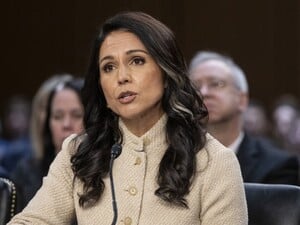
According to media reports, Gabbard and other senior officials of the administration of American President Donald Trump testified for more than two hours at the first public hearings since the start of the operation against Iran.
The intelligence chief declined to answer questions from Democratic Sen. Jon Ossoff about whether she considered Iran an immediate threat before the U.S. operation began.
“The only person who can determine what is an imminent threat and what is not is the president,” she said.
On March 17, Joe Kent resigned as director of the National Counterterrorism Center, saying Iran did not pose an “imminent threat” to the United States. CIA Director John Ratcliffe noted during congressional hearings that he did not agree with Kent, the media writes.
Gabbard also stressed that intelligence concluded that Iran was trying to rebuild its nuclear infrastructure, which was seriously damaged during US strikes in the summer of 2025.
Congressmen also asked how actively intelligence officials were involved in Trump's decision to strike Iran. The CIA director responded that he had been involved in “dozens and dozens” of meetings with Trump, but did not know if there was “one instance where a decision was made.”
Ratcliffe also added that the Pentagon was preparing for Iran to attack “American interests in energy facilities throughout the region” and “took action.”
For her part, Gabbard noted that the US intelligence community had previously concluded that Iran was likely to block the Strait of Hormuz.
Context
On the morning of February 28, Israel announced the military operation “Lion's Roar” in Iran; explosions were reported in Tehran and a number of other cities in the country. Israeli Prime Minister Benjamin Netanyahu called on Iranians to take power into their own hands.
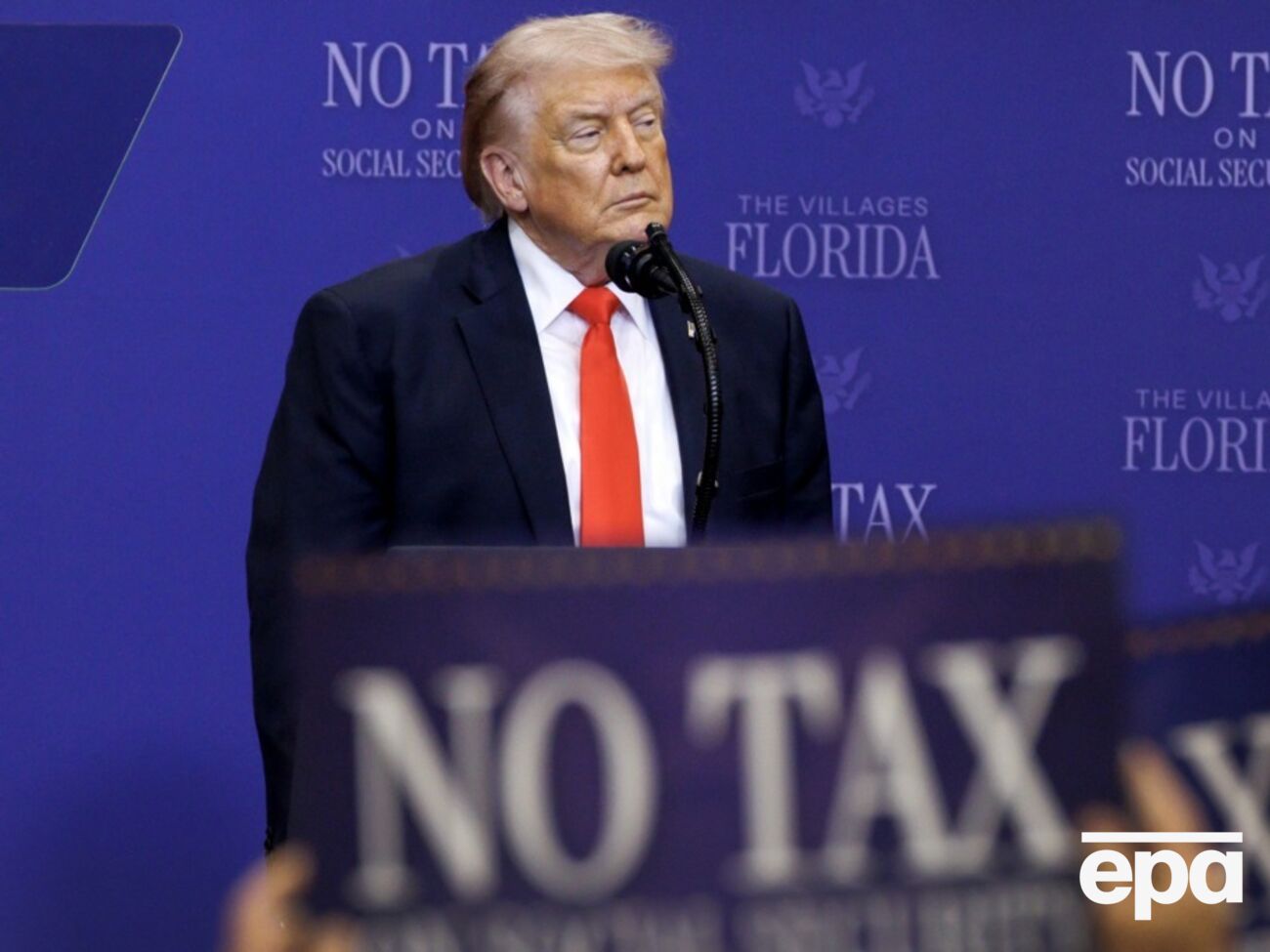
US President Donald Trump announced his intention protect the American people by eliminating the immediate threat from the Iranian regime.” He warned of the possibility of casualties in the US military, noting that “this happens often in war, but [Белый дом] does this not for the sake of today, but for the sake of the future, and this is a noble mission.”
They threatened in Tehran “devastating” retaliated and began to attack Shahed ballistic missiles and drones, in particular countries in the Middle East where there are US military installations.
Since March 1, shipping through the Strait of Hormuz, one of the most important routes for global oil trade, through which millions of barrels of crude oil and petroleum products pass daily from the Middle East to Asia, Europe and the United States, has virtually stopped. Oil prices began to rise sharply.
On March 13, US Treasury Secretary Scott Bessent announced that US naval forces would escort tankers through the strait. On March 17, White House economic adviser Kevin Hassett noted that oilTankers are starting to pass through the Strait of Hormuz again.