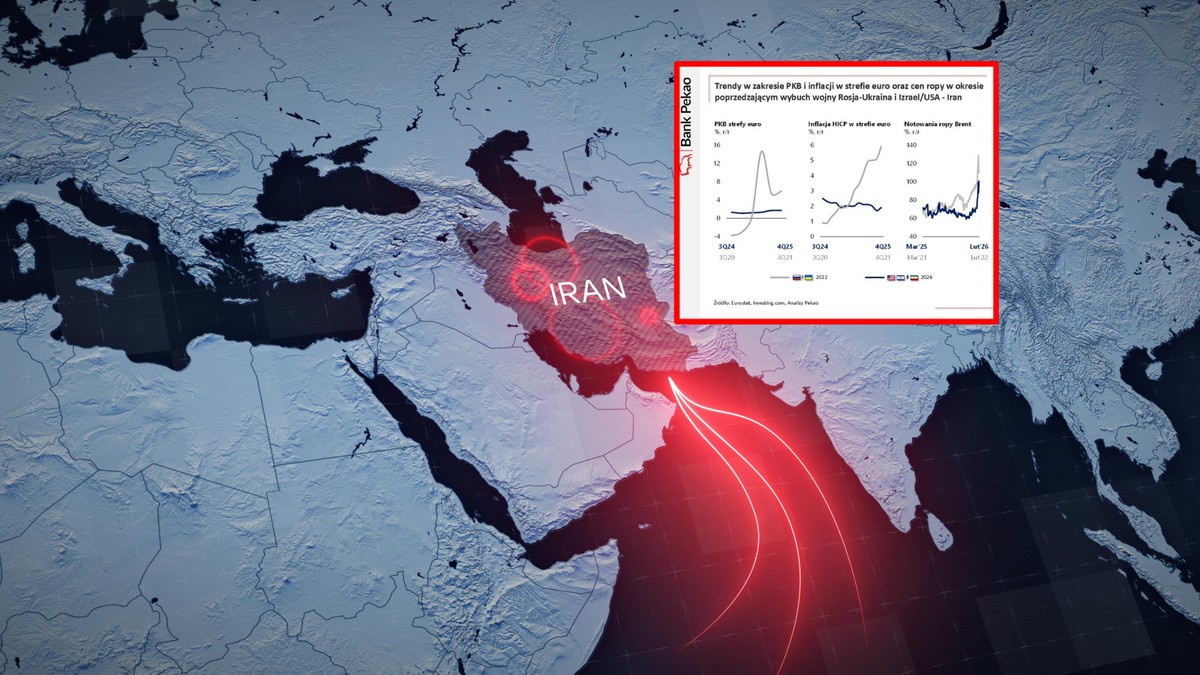
We are entering a potential new energy crisis with a much weaker economic situation in Europe, making it difficult to pass on rising costs to end users – we read in Pekao's analysis.
Continued below the video:
War in Iran vs. war in Ukraine. Economists do not have good news for companies
Economists explain why they believe that unless the war in Iran ends soon, the favorable history of 2022 for companies is unlikely to repeat itself.
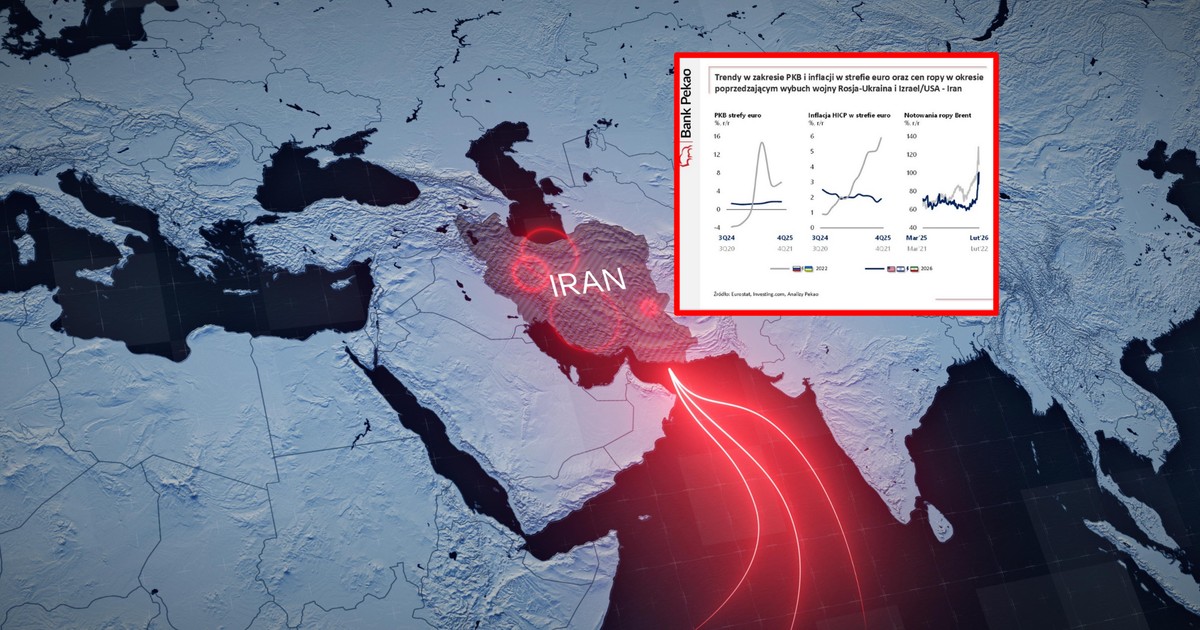
As we read in the “Sector Barometer 2026”, both crises are of a supply nature, but we entered the 2022 crisis with a strong economic recovery, making it easier to pass on costs to recipients. However, in the current conditions it will be much more difficult due to a different phase of the business cycle in Europe.
Russia's invasion of Ukraine. What was it like in 2022?
“During the 2022 energy crisis, supply constraints were accompanied by strong economic growth (also in the euro area) resulting from the post-pandemic recovery,” the analysis reads.
“This made it easier for companies to pass on rising costs to consumers, resulting in rapidly rising inflation“- we read further.
See also: Iran still makes money from oil. “They want to make fun of the USA”
The first price shock occurred several months before the attack on Ukraine, and was fueled by Russia's preparatory activities, including restrictions on the supply of energy raw materials to Europe.
According to Pekao economists, in 2022 the greater price flexibility of companies resulting from strong demand supported their finances to some extent and neutralized cost pressure.
US and Israel attack on Iran. What might it be like in 2026?
Nowadays the situation is completely different. Pekao analysts estimate that the potential escalation of the conflict and the persistence of high oil prices for a longer period of time may have much more serious consequences for companies than those they experienced in 2022.
“The outbreak of war in the Middle East was, after all, less expected (as was the reaction to the attack by Iran) and in a short time resulted in very strong increases in the prices of energy raw materials,” we read in the analysis.
The authors of the report indicate that The poor economic situation in Europe limits companies' room for maneuver in terms of prices.
They emphasize that this applies especially to exporters, because domestic demand, including due to investments, it will be more resistant to the effects of a possible extension of the war.
See also: Donald Trump full of regret. “I don't expect them to thank me, but they should.”
Oil prices
On Tuesday evening, Brent crude, the international benchmark, was trading at around $103. per barrel. Before the US and Israel attacked Iran, it cost about $70.
As a result of the attack, the flow of tankers through the Strait of Hormuz, a key route for transporting oil from the Persian Gulf, was drastically reduced.
Economists indicate that if the conflict continues, oil prices may continue to rise, even to $150.
Source: “Sector Barometer 2026. Economy in the shadow of war in the Middle East”