He himself fought with the so-called Islamic State (ISIS), today warns against its resurgence. According to one of the highest Peshmerga commanders, ISIS is taking advantage of the war with Iran and its impact on neighboring Iraq to re-organize and prepare for further attacks.
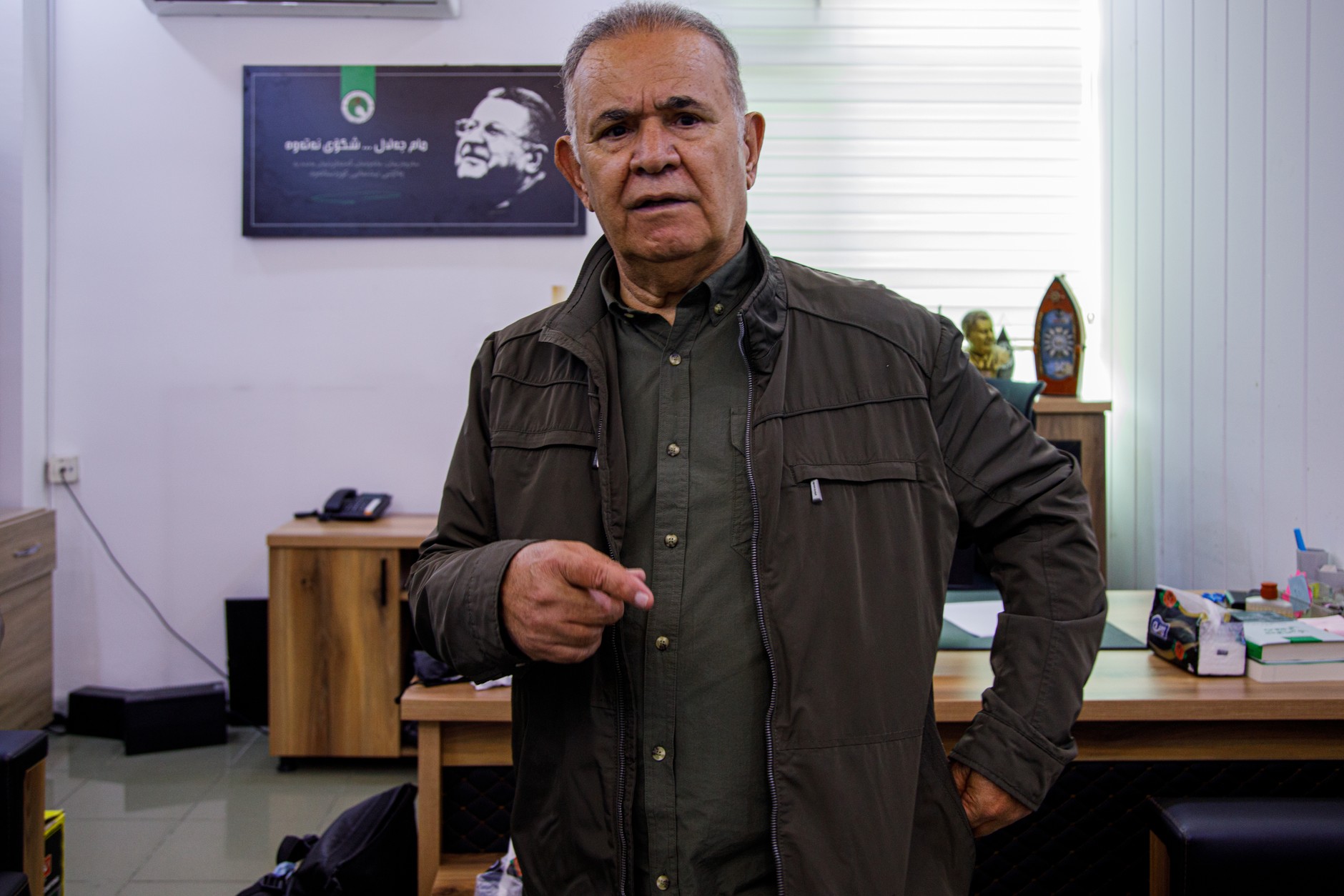
The organization is “in a rebuilding phase,” says Major General Rasul Omar Latif. He gives an interview to the newspaper “Die Welt” in As-Sulaimaniyah, a large city in Kurdistan, in the north-east of Iraq, close to the border with Iran. The Peshmerga are the armed forces of the autonomous region of Iraqi Kurdistan.
According to Latif, ISIS fighters are “following developments” and “waiting for an opportunity” to strike again. As he emphasizes, such opportunities arise when the country is under pressuree.g. as a result of war, economic crisis or collapse of state structures.
“These are battle-hardened people”
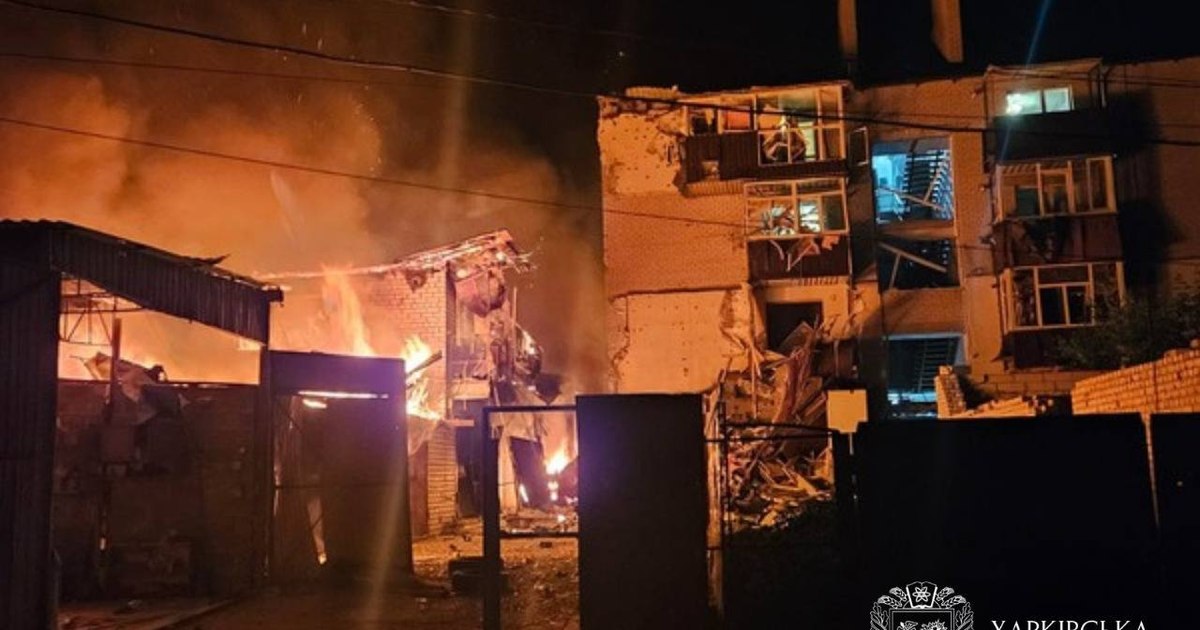
The warning comes at a time of growing tensions in Iraq, closely related to the US-Israeli war against Iran. Since the beginning of the conflict, pro-government Iranian militias have been attacking American positions and facilities of Kurdish opposition groups in Iraq.
The article continues below the video
Many armed formations operate simultaneously in Iraq: state forces, Shiite militias, Kurdish troops and opposition groups. This patchwork of competing actors makes the country vulnerable to proxy conflicts. Attacks on Iraq's oil sector further threaten a key source of state revenue.
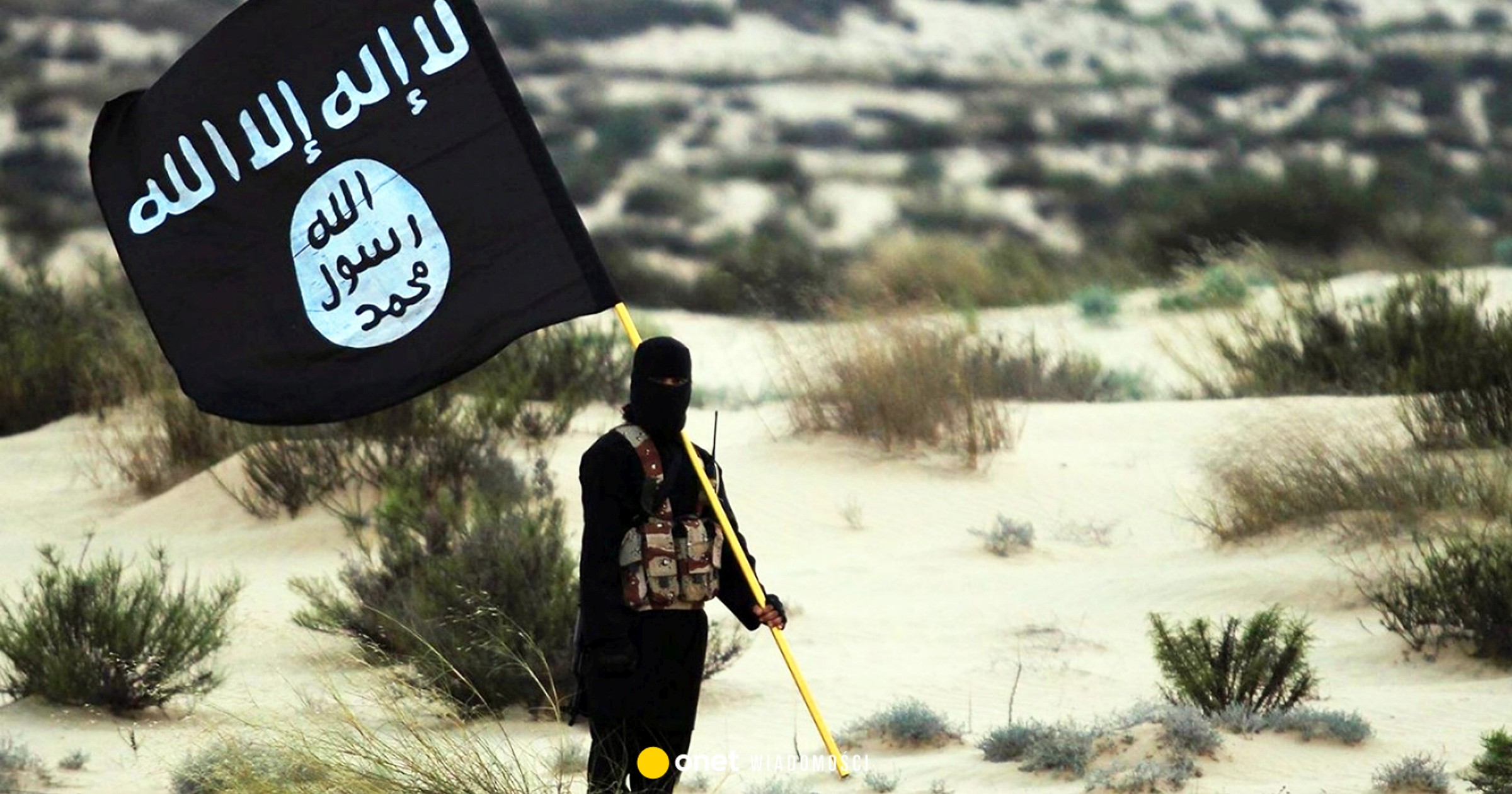
Latif describes ISIS as a decentralized organization. The fighters are “divided into groups” and scattered over the mountains and valleys. They also have their own structures and wide range of activities in cities, including: thanks to the so-called dormant cells. According to the Kurdish commander, ISIS activity is concentrated especially around Kirkuk, Mosul, Tuz Khurmat and in the province of Salah ad-Din. The Islamic State is also present in the Ramadi area, up to the border with Syria.
The organization has experienced fighters in its ranks. — These people were trained in Afghanistan, in Syria, and also in places like Chechnya. These are battle-hardened people, says Latif. He emphasizes that the group is guided by an extreme ideology and does not hesitate to use violence against civilians. Among ISIS's constant activities, Latif mentions, among others: kidnappings.
In 2015, an international coalition fought against ISIS. She wouldn't come together today
According to the general, after the events in Syria, the number of ISIS sympathizers in Iraq increased. At the end of February, thousands of prisoners escaped from the al-Haul camp in the northeast of the country. This place has long been considered a radicalization center, and families of ISIS fighters have also been detained there.
Major General Rasul Omar Latif, one of the Kurdish peshmerga commandersMurat Bay/Die Welt
For years, camps and prisons in the region were supervised by the Kurdish-led Syrian Democratic Forces (SDF). However, after the offensive of the Syrian government forces, the SDF withdrew from the al-Haul camp, which was soon taken over by government troops. During this retreat, serious security gaps occurred, allowing many prisoners to escape.
Latif admits that it is mainly based on his own experiences sees ISIS as a huge threat to Iraq. During the war against Islamists, as a major general, he was one of the main commanders on the front near Kirkuk, a city in northern Iraq. In 2014–2015, as he himself recalls, he commanded approximately 20,000. peshmerga.
Then his unit she received support international coalition led by the United Statesin which European countries, including Germany, also participated. The assistance concerned in particular training and air support.
However, if ISIS forces become stronger again Latif does not expect a similar international reaction today. According to him, there is currently no common position among Western countries similar to that which existed during the fight against ISIS. The US is at war and Europe is not supporting it as much as before.
“Generally speaking, we don't know what will happen,” he laments.
I’m Ashley Davis as an editor, I’m committed to upholding the highest standards of integrity and accuracy in every piece we publish. My work is driven by curiosity, a passion for truth, and a belief that journalism plays a crucial role in shaping public discourse. I strive to tell stories that not only inform but also inspire action and conversation.