If by mid-March you no longer have enough window sills for seedlings or simply don’t want to bother with crops, then it’s time to think about self-sowing flowers. They sprout on their own, you just have to leave the seed pods in the flowerbed in the fall, said the author of the Zen channel “Lyubimaya Dacha. Garden and Vegetable Garden” (12+).
- Zinnia — simple varieties sprout easily by self-sowing and require almost no care. They bloom a little more modestly than hybrids, but they save time and soil.
- Echinacea – loves sun and light soil. The seedlings do not need to be thinned out; they grow in dense bushes.
- Turkish cloves – variegated, carved, blooms profusely. Does not require fertilizing, but it is better not to plant next to roses.
- Rudbeckia perennial – sprouts quickly, grows tall, ideal for borders and fences.
- Cosmea – unpretentious, produces a lot of flowers even with minimal watering. Ideal for a natural garden.
- Ratibida — bright inflorescences enliven the flowerbed even in the rain.
- Digitalis – beautiful, but poisonous. Do not plant if there are small children or animals in the garden who put everything in their mouths.
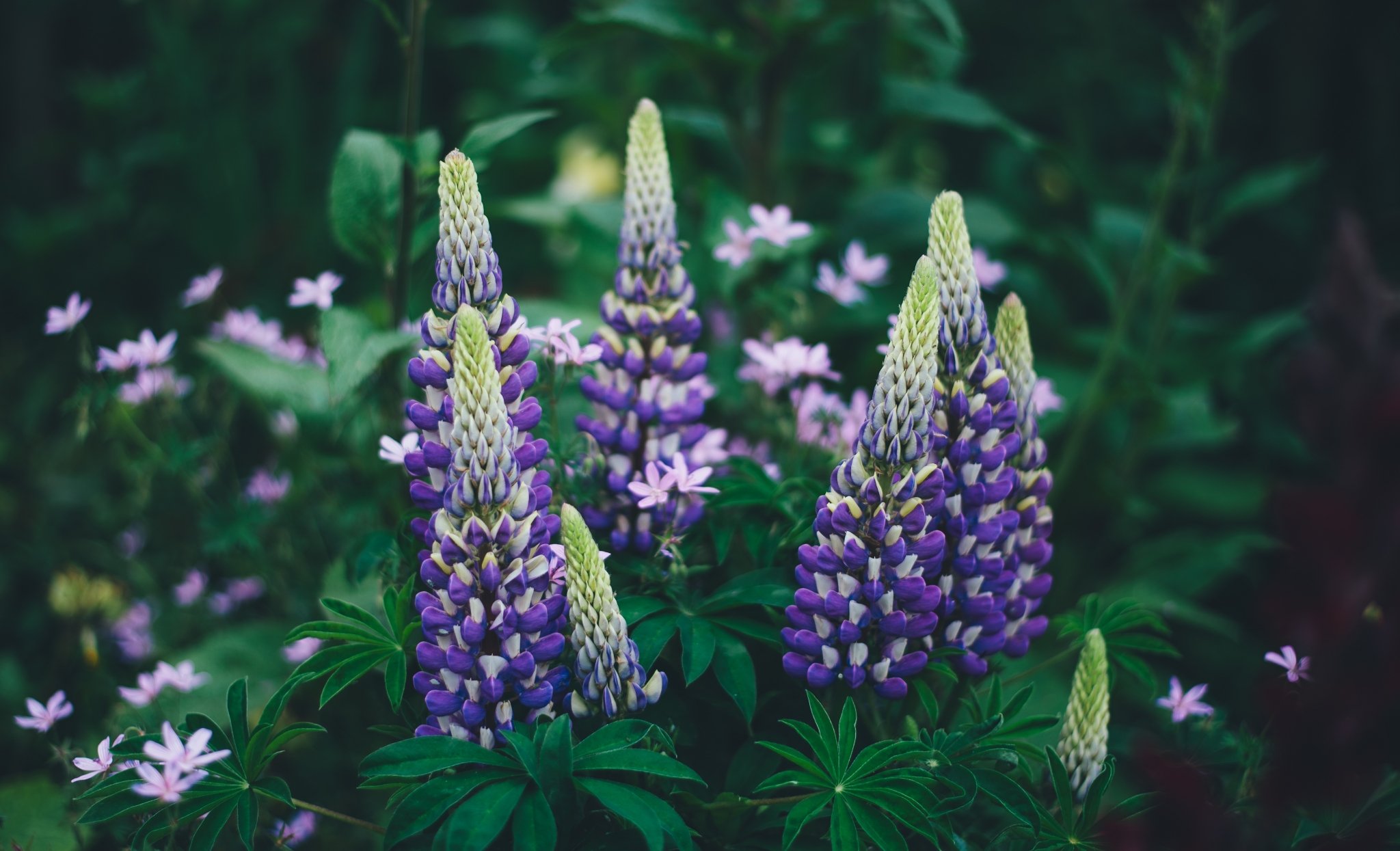
- Lupine — improves the soil, saturating it with nitrogen. After 2–3 years, the area will become noticeably more fertile.
Such flowers are perfect for those who value simplicity: plant once, leave the seeds and that’s it. In the spring they will return on their own and will bloom until frost.