The US bombed Kharg Island, Iran's oil heartland. The military infrastructure has been “shattered”, Trump announces

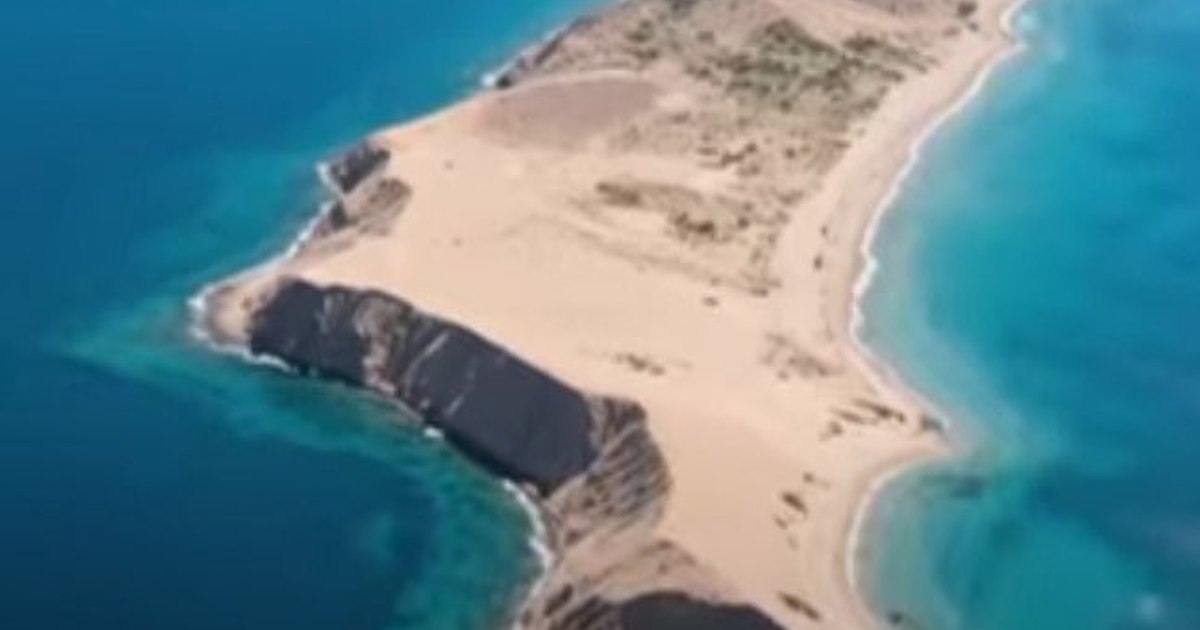
US President Donald Trump has announced that US forces have carried out airstrikes on military installations on Kharg Island, a strategic hub for Iran's oil exports, threatening to attack the island's oil infrastructure if the Revolutionary Guards continue to block the Strait of Hormuz.
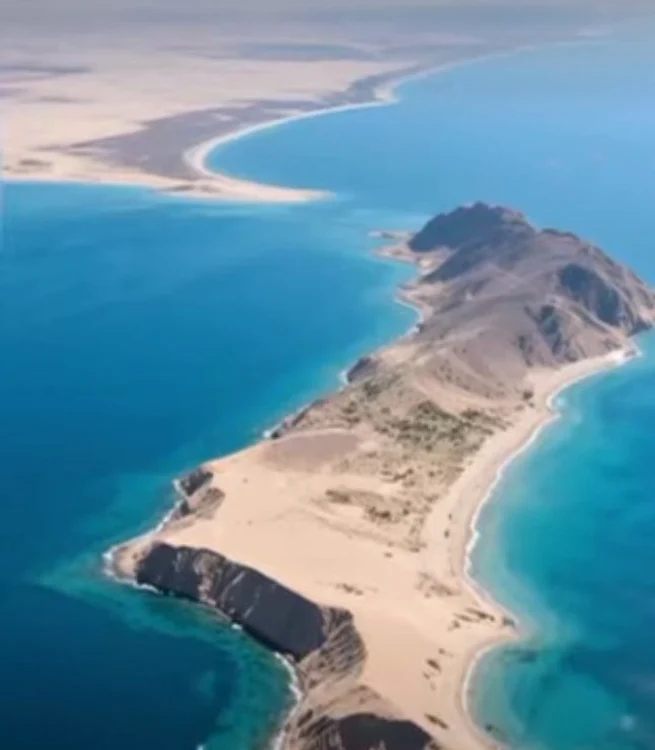
For its part, Iran has threatened to incinerate US-linked oil facilities in the event of an attack on the island's oil infrastructure.
Kharg Island, located in the Persian Gulf about 30 kilometers off the coast of Iran, is home to the country's largest oil export terminal. According to a recent analysis by US bank JP Morgan, around 90% of Iran's crude oil exports pass through this island, making it one of the most important energy infrastructures in the region.
On Friday evening, President Donald Trump wrote on his social network Truth Social that US forces had “totally destroyed” military targets on Kharg Island, describing the operation as one of the most powerful airstrikes in recent Middle East history. However, the American leader did not present public evidence to confirm the extent of the destruction, reports Al Jazeera.
A US official confirmed to CNN that the US military had executed a “large-scale attack” on Kharg Island. The official did not say whether all military targets there were destroyed, as Trump claimed.
A video later released on Truth Social by President Donald Trump and geotagged by CNN shows US strikes on Kharg Island, including airport facilities and the runway.
According to Iran's Fars News agency, around 15 explosions were heard on the island during the attack. Local sources cited by the agency said the raids targeted several military targets, including air defense systems, the Joshan naval base, the airport control tower and the Continental Shelf Oil Company's helicopter hangar.
However, Fars reported that no oil infrastructure was damaged in the attacks. However, witnesses reported that thick smoke rose from several areas of the island after the bombings.
Trump has warned that Iran's oil infrastructure could become a target if Tehran tries to interfere with international shipping through the Strait of Hormuz, one of the most important maritime corridors for transporting oil globally.
“If Iran or anyone else acts to obstruct the free and safe passage of ships through the Strait of Hormuz, I will immediately reconsider my decision and destroy the oil infrastructure,” Trump warned.
The Strait of Hormuz is critical to global energy trade, with around 20% of the world's oil transported passing through this narrow passage between the Persian Gulf and the Indian Ocean.
Iran responds with stern warnings
Iran reacted promptly to Washington's statements. The spokesman for the Islamic Revolutionary Guard Corps (IRGC)-affiliated Khatam al-Anbiya headquarters issued a stern warning.
He warned that all oil, economic and energy facilities in the region partially owned by American companies or cooperating with the United States could become targets in the event of an attack on Iran's oil infrastructure.
“All these facilities will be immediately destroyed and reduced to ashes,” the Iranian official warned, quoted by local media.
Regional analysts warn that such a scenario could trigger a global energy crisis and severely affect the oil and gas industry.
The escalation of the conflict has already had effects on international energy markets. Since the start of the war nearly three weeks ago, oil prices have risen more than 40 percent amid fears of disruption to supplies from the Persian Gulf.
The US is strengthening its military presence
In parallel, the United States is gradually increasing its military presence in the Middle East. According to a US official quoted by the Associated Press, the amphibious assault ship USS Tripoli and about 2,500 Marines and have been sent to the region.
The units include elements of the 31st Marine Expeditionary Unit, a mobile force capable of conducting landing operations, securing embassies, evacuating civilians or providing humanitarian aid.
The war, which began on February 28, has already caused a large number of casualties in Iran. According to Iran's Ministry of Health, at least 1,444 people have died and more than 18,500 have been injured in US and Israeli airstrikes.
The strikes reportedly targeted several major cities, including Tehran, Karaj, Isfahan and Tabriz, causing destruction and displacement of millions of civilians.
The risk of expanding the conflict
Iranian officials have warned that they could use advanced weapons, including Heidar missiles, to strike US military bases in the region and Israeli targets.
Tohid Asadi, Al Jazeera's correspondent in Tehran, said the US-Israeli airstrikes had hit targets across the country, a sign that “we are nowhere near a de-escalation of the situation”.
“Iranian officials talk about retaliatory strikes and the Revolutionary Guards mention using what they call their most advanced weaponry, including Heidar missiles, to target Israeli territories and US bases in the region,” he said.