“Intervention in the oil market will cause a disaster.” There are also growing concerns about the sector valued at USD 1.8 trillion

“The party has become too loud and the door is too narrow” – this is how experts describe the situation on the private debt market today, which is starting to have liquidity problems. At the same time, Wall Street is looking at the Middle East with growing concern, warning the US administration of a market and political disaster if fuel prices are manually controlled.
Mohamed El-Erian: This may be more than a short-term shock
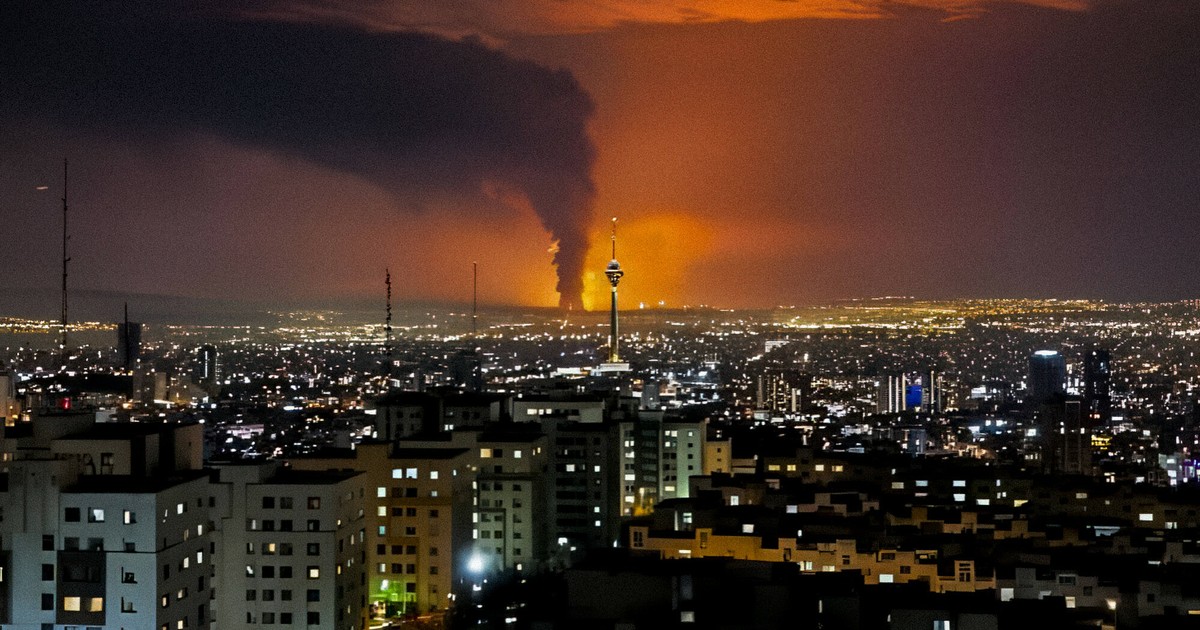
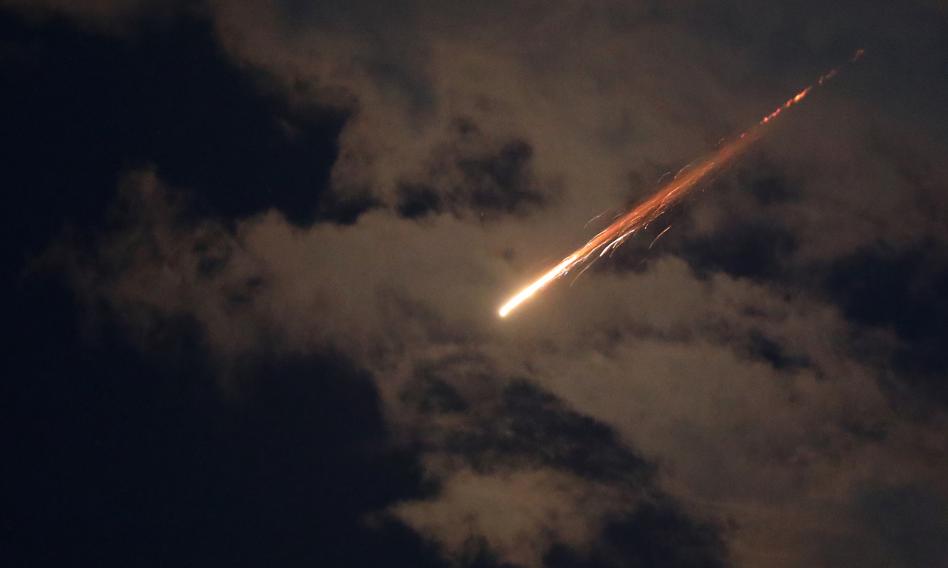
Mohamed El-Erian, chief economist of the insurance giant Allianz, draws attention to the overly optimistic market reaction to the US and Israel's war with Iran.
“The market thinks this will be a short-term and reversible shock because we threw everything at the US economy last year and it turned out to be extremely resilient,” El-Erian told CNBC.
Advertisement
This time, however, as the economist notes, negative factors, such as the shaky labor market and rising inflation, are overlapping. At the beginning of the week, markets were trading at 80%. the likelihood that the war will not last long. El-Erian's chances are closer to 50 percent.
– We need to stop thinking that oil supply or supply chains are a switch that can simply be turned on and off. They can't be restarted that easily. If the United Arab Emirates, Kuwait and Qatar halt mining, it will take weeks for it to resume. Meanwhile, the market assumes that it will last only a few days, the economist noted.
Rick Wurster: Retail investors have learned to ignore the noise
Rick Wurster, head of the asset management company Charles Schwab, claims that Generation Z enters financial markets much earlier and participates in them more actively than other age groups.
“We're seeing younger investors really engaging with the market,” Wurster said in an interview with Bloomberg. – We are the most followed financial company on YouTube, and we also have huge communities on TikTok and Instagram.
According to him, 33 percent of new retail investors using the company's services are under 30 years old, and one in six is under 24 years old. These investors are not timid and are willing to join the group of buyers in the troughs (so-called dip buyers).
– Retail investors have learned to ignore the hype. They see a much bigger picture, says Wurster.
Terry Duffy: Intervening in the oil market could trigger a biblical disaster
Terry Duffy heads CME Group, a company that manages the derivatives market for American WTI crude oil. This market is in the crosshairs of the White House administration, which is looking for a cure for the price shock on the fuel market.
The US Treasury Department is facing the urgent problem of rising oil prices. He was entrusted with the task of finding a way out of this situation – this week it was announced that, among other things, the following were being considered: direct intervention in the futures market.
“Markets don't like it when governments interfere in price formation,” Duffy tells the Financial Times.
According to him, such a decision could cause a “biblical disaster” if investors lost confidence in the ability of markets to reliably and fairly price raw materials. The Treasury Department is also considering other measures, such as suspending federal fuel taxes, easing environmental regulations for refineries and implementing a complete ban on oil exports.
Kevin O'Leary: Oil above $70 is a huge political risk
The search for solutions to prevent price shocks is dictated not only by macroeconomic but also political issues. Investor and TV personality Kevin O'Leary warns that oil prices remaining above USD 70 per barrel may have negative consequences for Donald Trump's party's chances in the midterm elections.
– Oil is the only raw material that has a direct application in absolutely every sector of the American economy – O'Leary wrote on X. – Therefore, it is of great importance how long prices will remain at an elevated level. And when I say premium, I mean anything over $70.
The investor considers the price of USD 90-100 per barrel to be the real “danger zone” for the fuel market if it persists for more than 90 days.
– Then we will see fuel prices at stations jump above $3 (per gallon – ed.) – he summed up.
Cecile Mayer-Levi: The party has become too loud and the doors are too narrow
However, not all discussions on Wall Street revolve solely around the Iran war and the oil shock. Cecile Mayer-Levi, director of the private debt market at the French company Tikehau Capital, compares the current situation in her segment to a party that no one wants to be at anymore, but from which one cannot simply leave.
“The party has become too loud, but the door you want to exit is a little too narrow,” she said at Bloomberg's Future of Finance event. – That's why we can't all leave at the same time.
The private debt sector, valued at $1.8 trillion, has been rocked by reports of several large funds cutting capital drawdowns amid a sudden wave of client demands. This situation has revived criticism of the entire segment for offering illiquid assets to retail investors – a group completely unaccustomed to freezing their funds.
– What could clearly be observed was the massive shift of this sector towards retail customers, says Mayer-Levi.
According to the expert, there have been “many warnings” for years regarding the mismatch of assets and liabilities in some private debt funds.
– And now we find ourselves in this place – Mayer-Levi points out
Head of the Bank of France: Complicated structures may hide weaknesses
During the same conference, the head of the French central bank, Francois Villeroy de Galhau, noted that the current situation is a hard test of whether the private debt sector can cope with the above-mentioned mismatch of assets and liabilities.
– Debt strategies based on complex, opaque and increasingly leveraged financing structures, especially in the private debt segment, may hide the vulnerabilities of some borrowers – said the head of the bank.
This includes last year's high-profile bankruptcies of First Brands Group and Tricolor Holdings, as well as the collapse of Market Financial Solutions, which also led to accusations of financial fraud.
– These weaknesses may be exacerbated by the deepening interdependencies between private markets and other financial institutions, warned Villeroy de Galhau.
The publication contains affiliate links.