2026-03-13 18:35
publication
2026-03-13 18:35
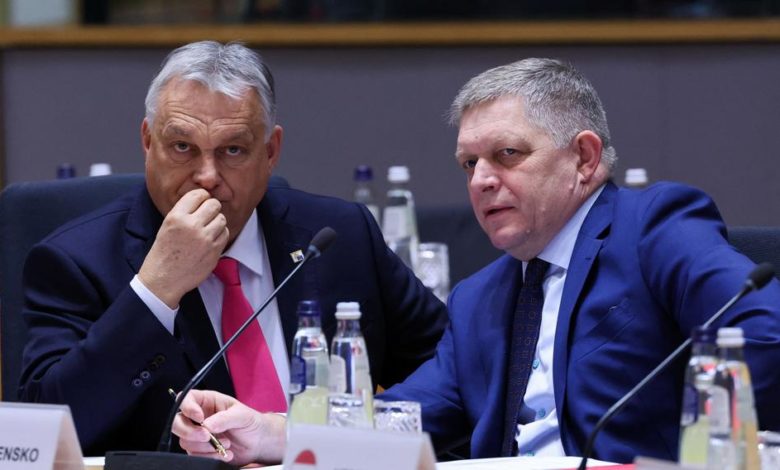
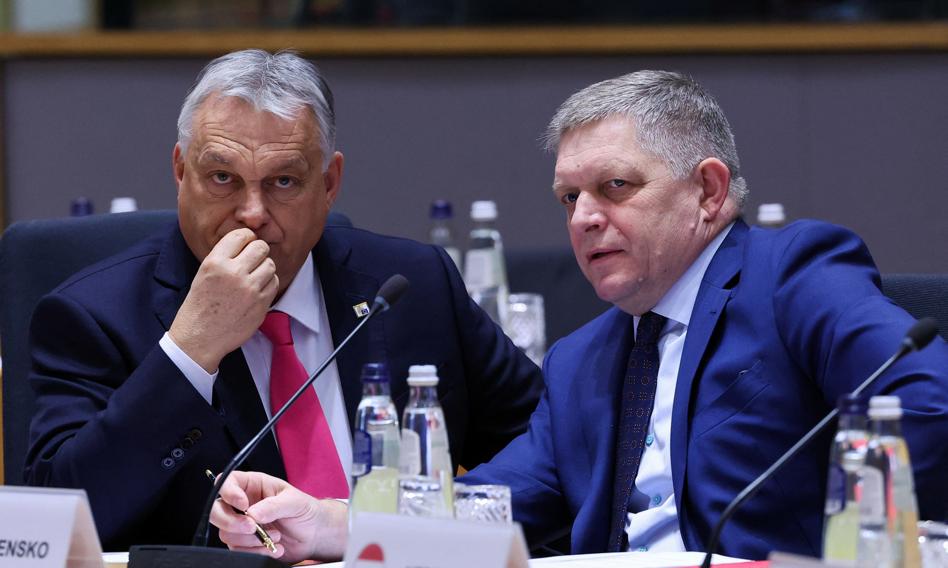
Hungary and Slovakia are once again blocking the extension of sanctions imposed on Russia in connection with its invasion of Ukraine. It's about the so-called a blacklist of people and entities involved in the war. According to an EU source, Slovakia wants two names removed from the list.
There are over 2,600 people and entities on the sanctions list created in connection with violating Ukraine's sovereignty. These sanctions include freezing of assets and, for natural persons, deprivation of entry into the EU.
Sanctions are extended every six months by a unanimous decision of all capitals. As in previous years, Hungary, which has been accompanied by Slovakia since Robert Fico took over as prime minister, does not agree to the extension. So far, although they waited until the last moment, both countries finally agreed to the extension. Diplomats in Brussels on Friday hoped that this would happen this time as well.
For the sanctions list to remain in force, member states must agree to it by March 15. Therefore, on Friday, the matter was dealt with by the ambassadors of the member states. They did not reach an agreement on this issue at the morning meeting and the meeting will be continued on Friday evening, and if necessary – on the weekend.
As an EU diplomat told PAP, Bratislava demands the removal of two names from the so-called blacklist.
According to him, this blockade is not related to the Druzhba oil pipeline, which is good news for the EU in general and for Ukraine itself. The oil pipeline running through Ukraine was destroyed as a result of the Russian attack, and Hungary and Slovakia are demanding its repair. Two other decisions remain their means of putting pressure on the European Union and Ukraine: the adoption of the 20th sanctions package and the granting of a loan to Ukraine in the amount of EUR 90 billion.
– Here we clearly know that we cannot do without some initiative regarding the oil pipeline, which is why we are working on finding a common solution – an EU official told reporters.
As part of a new initiative, the EC proposed that Ukraine send a delegation to inspect the condition of the Druzhba oil pipeline damaged in the Russian attack.
Hungary and Slovakia also sent their own mission to Ukraine. The delegation, which included, among others, Hungarian Deputy Minister of Energy Gabor Czepek and a team of oil industry specialists entered Ukraine on Wednesday. The government in Kiev announced that it did not recognize this visit as official and called its members “tourists”, announcing that it did not intend to organize a formal meeting with the Hungarian side.
From Brussels Magdalena Cedro (PAP)
mce/ap/mhr/