2026-03-11 19:43
publication
2026-03-11 19:43
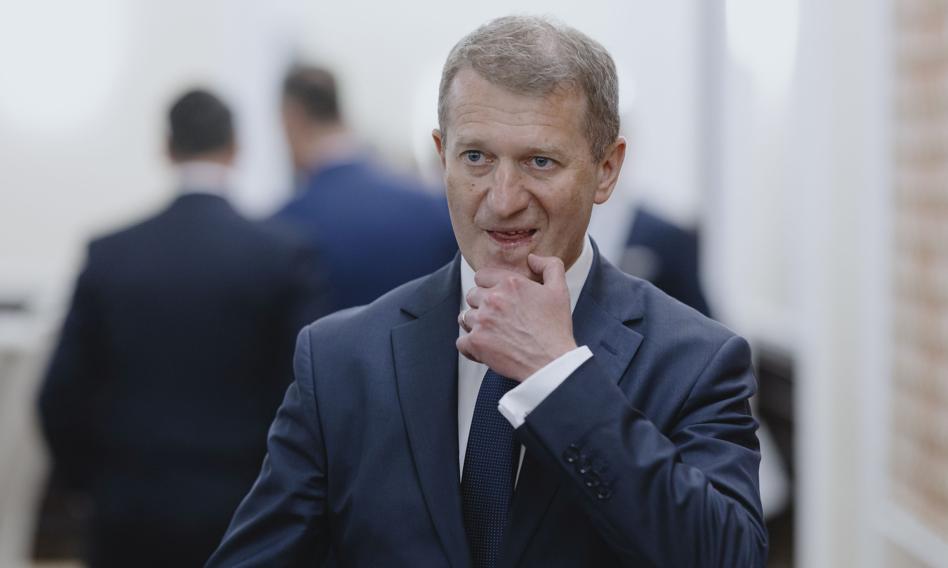
The tourist tax will not be a new tax. Its aim is to support the promotion of Poland and the finances of tourist communes – emphasized Deputy Minister of Sport and Tourism Ireneusz Raś on Wednesday during a meeting of the Parliamentary Committee for Physical Culture, Sport and Tourism.
Raś pointed out that tourism currently generates over PLN 180 billion of budget revenue annually, which corresponds to approximately 5 percent. GDP. Therefore – as he emphasized – it is necessary to introduce a tourist fee so that it can be collected, especially in popular tourist destinations such as Krakow.
He noted that municipalities will be able to independently determine the amount of such a fee, within a certain upper limit. In his opinion, it should correspond to the average European level, e.g. about PLN 11 in the most popular places.
According to the assumptions of the act, the funds from the local fee are to go mostly to tourist communes, and part of it would be allocated to the promotion of tourism through the Polish Tourist Organization.
Raś also emphasized that the change should be introduced beyond political divisions. He added that the fee would be optional, and communes could offer tourists bonuses, e.g. in the form of tourist cards enabling the use of local attractions.
The deputy minister emphasized that the aim of the project is not only to facilitate the financing of the promotion of Poland, but also to support municipalities most burdened by tourist traffic and to create transparent rules for collecting fees throughout the country. He added that as many as 70 percent Polish tourist destinations have not yet been able to collect such a fee due to stringent air quality standards, even though they generate a significant part of GDP.
He emphasized that part of the funds from the tourist fee would also be allocated to the development of tourist infrastructure and the promotion of regions in Poland and abroad, which – as he said – is particularly important in the context of competition with other destinations in Central Europe. He also pointed out the need to balance the fee rate to make it attractive for tourists and, at the same time, effective for local governments.
Raś also added that the fee could serve as compensation for communes most burdened by tourist traffic. – This would allow financial support for infrastructure, organization of local events and environmental protection in towns that attract the most guests – he explained.
During the discussion, it was also noted that introducing an optional fee may increase tourists' interest in using local attractions and services. Raś noted that communes could offer various types of bonuses, e.g. discounts on tickets to museums, recreational parks or other cultural and tourism institutions.
According to Raś, the amendment to the regulations also provides an opportunity for better coordination of Poland's tourist promotion by the Polish Tourist Organization and cooperation with regional tourist units. – This will allow us to more effectively reach both domestic and foreign tourists with our promotional offer, especially in off-peak seasons – he added.
According to the current regulation, tourist communes may charge a local fee if they meet certain standards regarding, among others: air pollution and climatic and landscape values. In 2024, revenues from local fees amounted to over PLN 76 million, and the highest revenues were recorded by, among others, Mielno, Gdańsk, Zakopane, Karpacz and Szklarska Poręba. (PAP)
szb/ drag/