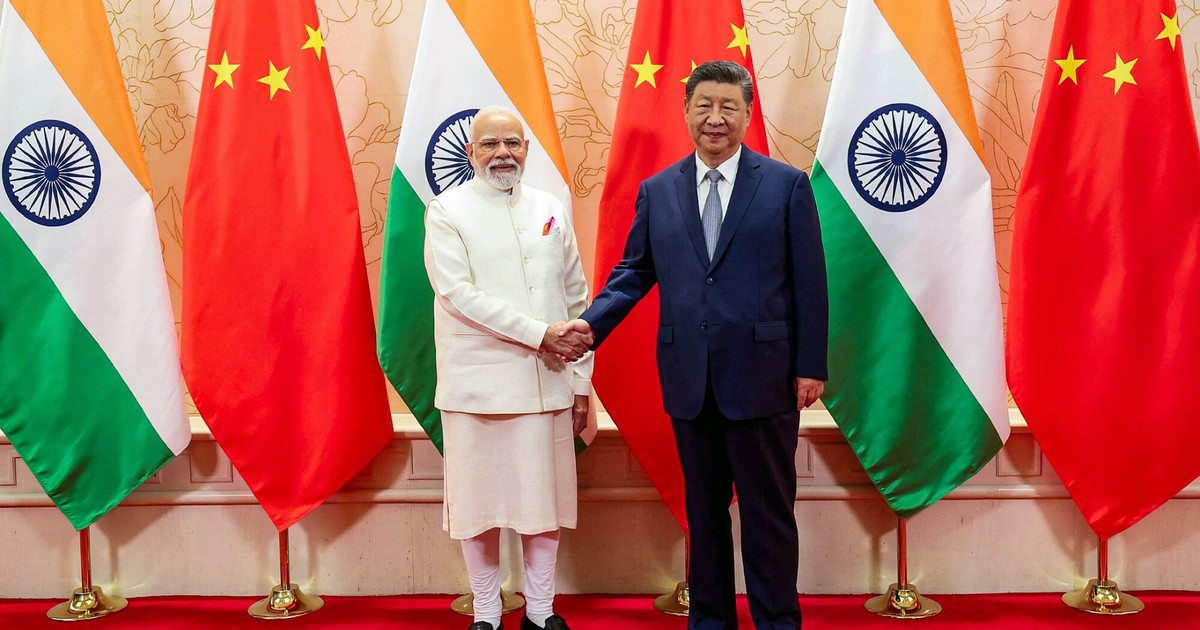
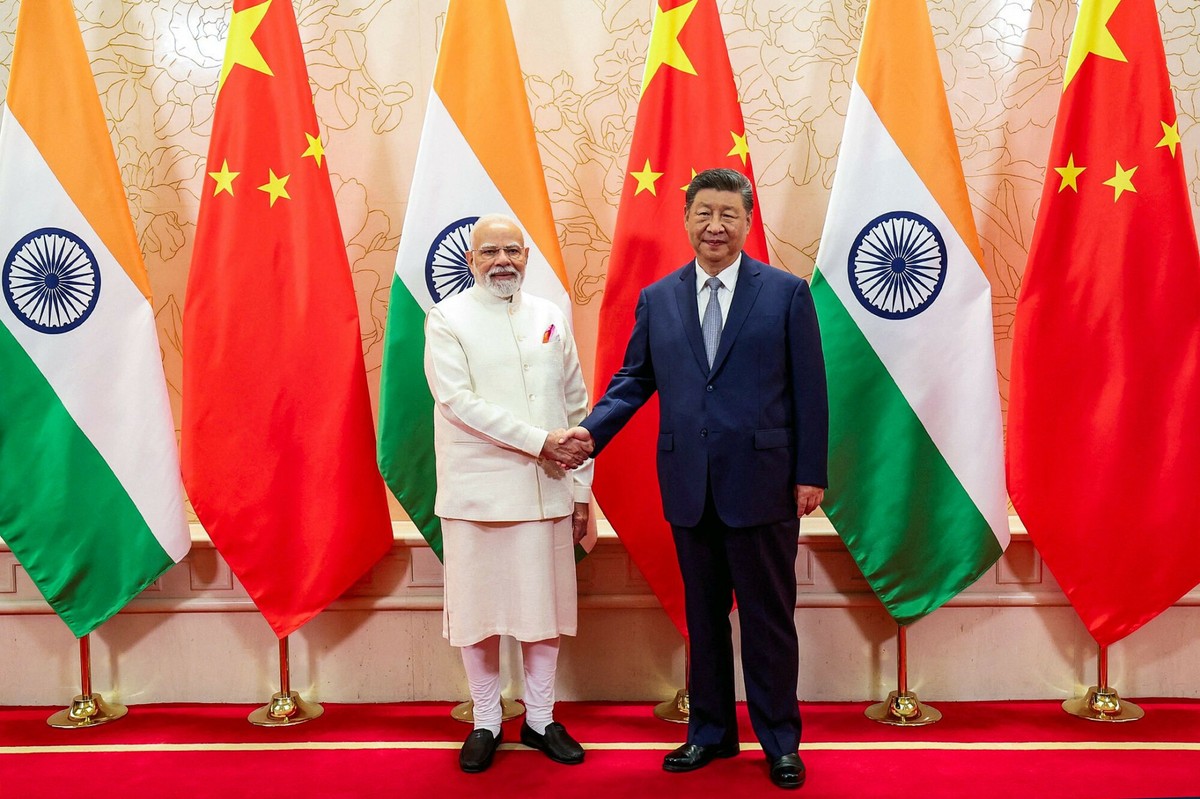
The Indian government has decided to partially relax the rules regarding investments from China, ending several years of economic tensions between the two countries. The decision was approved by Prime Minister Narendra Modi's cabinet, modifying the regulations on foreign direct investment (FDI), as Reuters writes.
The text continues below the video
China and India. Change after six years of tension
The restrictions were introduced in 2020 after a deadly clash between soldiers of both countries on the disputed border in the Himalayas. Since then, investments from China have required additional approval from the security services and foreign policy ministries.
The new decision signals that both countries are starting to gradually rebuild economic relations, writes Reuters.
Read also: China is threatening another semiconductor shortage – now in the automotive industry
New rules for Chinese investors
The changes mainly concern selected industrial sectors, such as electronics, capital goods and solar cell production.
Chinese investments in these industries are to be considered under a simplified procedure – the administrative decision is to be made within approximately 60 days, provided that the Indian investor retains a majority share in the project.
Additionally, the possibility of investing in the so-called automatic path if the share of Chinese capital does not exceed 10% and the project is within sector limits.
Industry pressure and the need for capital
The change in regulations was partly the result of pressure from Indian industry. Many companies indicated that the restrictions introduced in 2020 hamper access to technology and financing, especially in the manufacturing sectors.
The restrictions resulted in, among others: to suspend large investment projects. One example was a $1 billion plan under which the Chinese company BYD was considering a joint venture to produce electric cars in India.
The new regulations are intended to facilitate the inflow of capital and increase access to modern technologies.
Read also: German industry wants to become independent from China. He showed a new idea
India and China. Broader warming of relations
The relaxation of investment rules is part of a broader process of gradual normalization of relations between New Delhi and Beijing.
Recently, both countries have resumed direct air connections, and India has simplified visa procedures for Chinese entrepreneurs. Moreover, Prime Minister Narendra Modi visited China for the first time in seven years, which was supposed to open the way to improved economic cooperation.
At the same time, India also began to partially lift restrictions on the purchase of Chinese equipment by state-owned energy and coal companies.
Global economic competition in the background
India's decision also has a strategic dimension. The authorities in New Delhi are trying to attract foreign capital and build the country's position as one of the most important production centers in the world.
Loosening rules towards China could help integrate into global supply chains and accelerate industrial development, especially at a time when the global economy is facing geopolitical tensions and the reorganization of international trade, writes Reuters.
At the same time, the Indian government is trying to maintain a balance between strategic security and the need to attract investment from abroad.