We are talking about the likely capture or neutralization of the nuclear arsenal reserves remaining after attacks on Iranian nuclear facilities. At the same time, according to the interlocutors, it remains unclear whether this would be an American, Israeli or common mission.
According to preliminary estimates, such an operation could occur only when it becomes clear that the Iranian military no longer poses a serious threat.
The issue of control over Iranian nuclear material was also raised during a closed briefing to the US Congress last week. When asked about the security of Iran's uranium reserves, US Secretary of State Marco Rubio noted that “someone will have to go and take it.” He did not specify who it would be.
According to an Israeli official, American President Donald Trump and his team are seriously considering the option of sending special forces to Iran “to carry out specific missions.” The source said that the administration discussed two likely scenarios for the development of events. The first is to remove the uranium from the country, and the second is to dilute it locally using experts so that it becomes unusable for creating nuclear weapons, the article says.
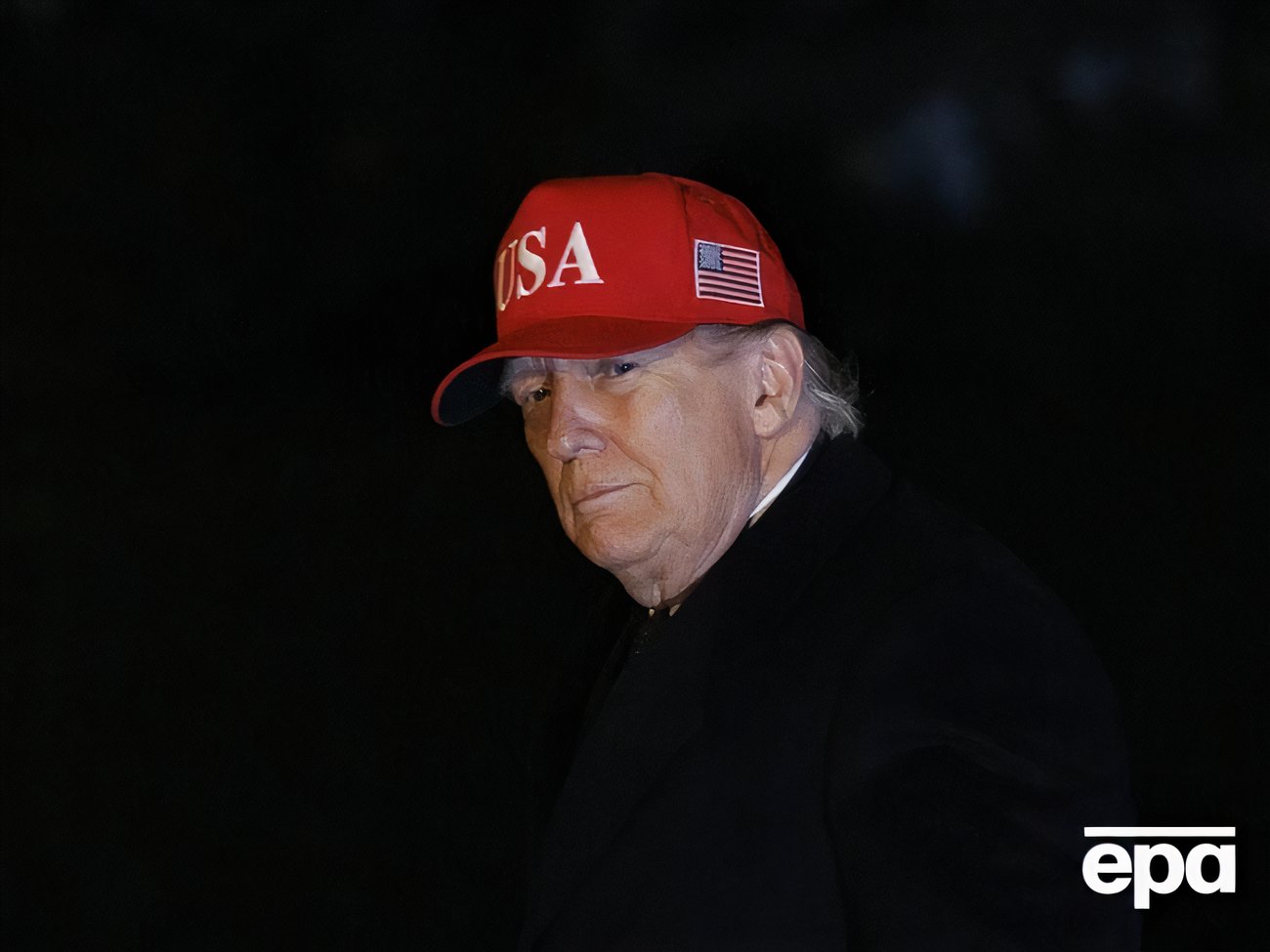
Trump himself, while speaking with reporters on board Air Force One, also did not rule out the possibility of using US ground forces in Iran, the media noted. At the same time, the head of the White House said that such a step is possible only for a “very good reason.” When asked if troops could enter Iran to control nuclear materials, he replied that such a scenario was not excluded in the future.
In addition to the uranium issue, according to sources, other potential targets were also discussed in Washington, in particular, the possibility of capturing Khark Island in the Persian Gulf. The majority of Iranian oil exports pass through it, Axios explained.
Context
On the morning of February 28 Israel announces Operation Lion's Roar in Iran. The US called its actions against Iran “Epic Fury”. Trump announced his intention protect the American peopleeliminating immediate threats from the Iranian regime. Same day liquidated Supreme Leader of Iran Ayatollah Ali Khamenei and more than 40 other country officials.
Trump said that the new leadership of Iran allegedly invited the United States to resume negotiations, to which he agreed, but later the head of the White House said that it was “too late” to communicate with the Iranians. Iran denied this and said Tehran had not asked for any ceasefire and had rejected any negotiations.
The head of the White House also said that he wants to personally take part in choosing the next leader of Iran. According to Iranian Foreign Minister Abbas Araqchi, this is “the exclusive matter of the Iranian people, and no one can interfere.”
On March 6, Trump announced that will not support any agreement other than “unconditional surrender” Tehran, and called for “Make Iran great again.”
On March 7, NBC News wrote that Trump, in private conversations, expressed serious interest in the possibility of stationing American ground troops in Iran.