Italy and Croatia announced on Monday that they were taking steps to reduce fuel prices as the Middle East conflict saw prices rise by 25% in a few days.
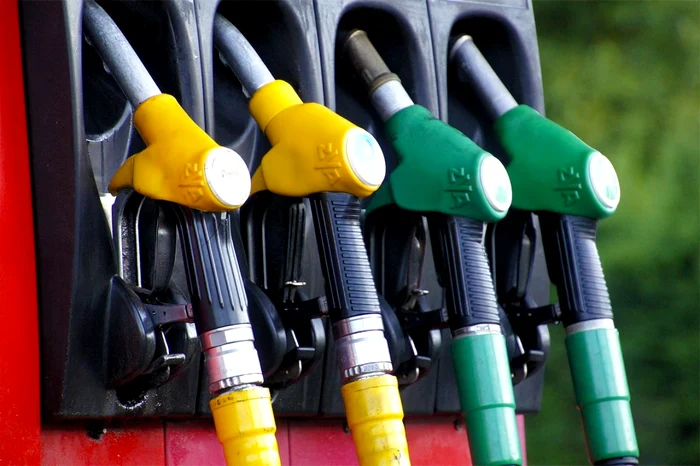
Italy and Croatia take measures to reduce fuel prices. Archive photo
The Croatian government announced on Monday that it will cap the maximum selling price of fuels, starting on Tuesday and during the next two weeks, at 1.50 euros for a liter of Eurosuper gasoline and 1.55 euros for a liter of diesel, informs EFE.
Eurosuper gasoline, which currently has a price of 1.46 euros per liter, will cost 1.50 euros starting Tuesday, while, without the government measures, it would have cost 1.55 euros per liter, Prime Minister Andrej Plenkovic pointed out.
The price of Eurodiesel will increase from 1.48 euros per liter at present, up to 1.55 euros per liter, while, without the measure announced on Monday, it would have cost 1.72 euros per liter.
Due to the escalation of the war in the Middle East, oil prices have increased by more than 25% to date. Announcing this fuel price cap, the Croatian Prime Minister stated that his objective is to ensure security of supply and more affordable prices for Croatian citizens and businesses.
Italy is considering cutting fuel taxes
The Italian government is considering cutting fuel excise duties amid a sharp rise in energy prices due to the war in the Middle East, Prime Minister Giorgia Meloni said, according to Reuters.
According to her, the authorities are studying the possibility of using the so-called “mobile excise” mechanism, which allows the use of additional VAT revenues resulting from the increase in retail fuel prices to reduce excise duties on gasoline and diesel.
“The activation of this mechanism was studied by the Ministry of Economy for several days”, Meloni said in a video message.
In Italy, excise duties represent a significant part of the price of fuel at the gas station. Unlike VAT, which is charged as a percentage of the cost, excise duty is charged as a fixed amount for each liter of fuel.
Meanwhile, businesses are warning of significant economic consequences of rising energy costs amid the Middle East conflict. The CGIA business association, which represents artisans and small businesses, estimates that the additional energy costs for Italian companies could reach almost 10 billion euros. The consumer organization Unione Nazionale Consumatori called on the government to immediately cut fuel excise duty by 10%.
At the same time, the association of small carriers Ruote Libere warned that if the price of fuel increases by 37% per liter, the additional costs for a truck could exceed 11 thousand euros per year.
For its part, the CIA farmers' organization said that a 30-35% increase in the price of agricultural diesel could lead to farmers operating at a loss without the support of national and EU authorities.