Oil prices are rising, stock markets are under pressure. Experts assess the impact of the conflict on markets


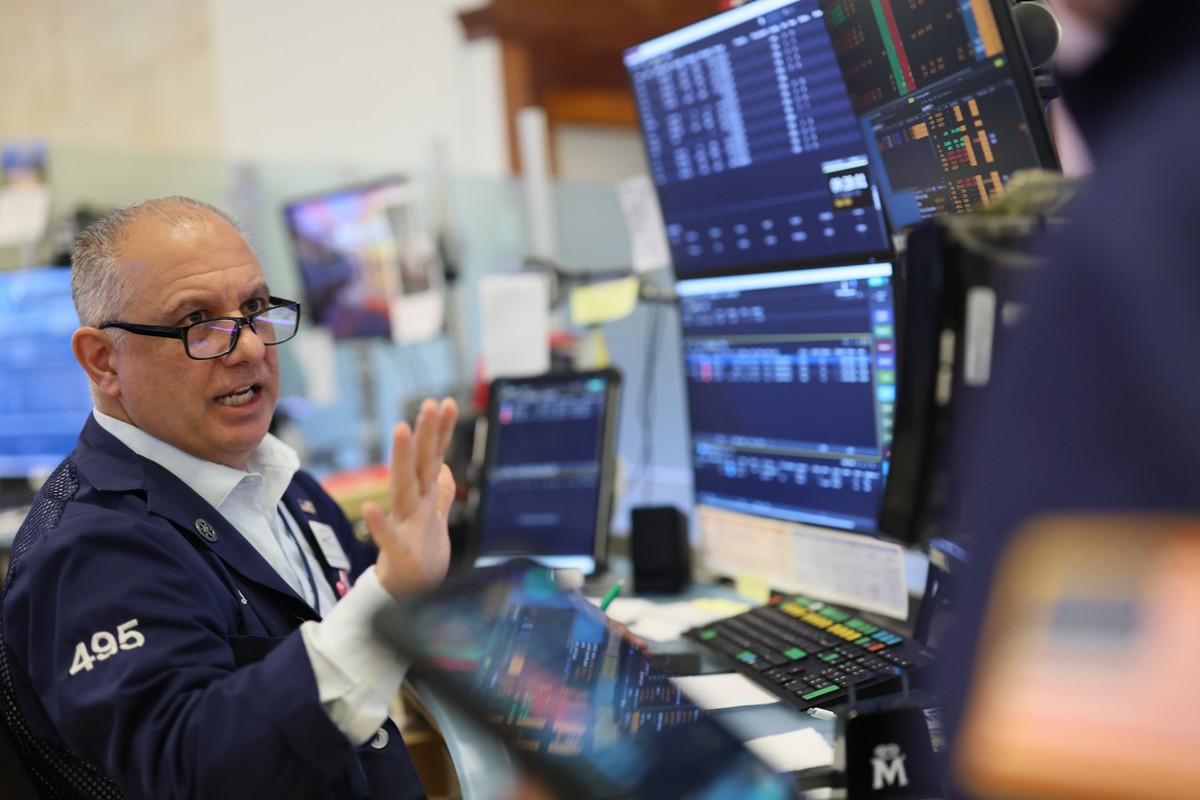
At the beginning of trading in the US on Monday, stock indices were glowing red, but the scale of the decline is not as large as it might seem, judging by the events in Asia. There was a real collapse there: The main index of the Tokyo Stock Exchange, Nikkei 225, fell by 7%. South Korea's KOSPI lost almost 6 percent. and quotations were temporarily suspended. Also in Europe, some leading indices lost almost 3% shortly after opening. (Polish WIG20 decreased by just over 2%).
It was calmer in the USA. The S&P500 index lost 0.5% an hour after opening. and was quoted around 6,690 points, and the Nasdaq decreased by 0.2 percent, to 22,250 points. The Dow Jones Industrial fell more sharply, falling by 1% to 47,038 points. Counting from the beginning of the year, the S&P500 is 2.5%. below the line.
The reason for the unrest on the markets is what is happening with crude oil, the prices of which jumped to around $115-120 on Monday. per barrel, this is the highest level since mid-2022, when concerns about the availability of raw materials (due to Russia's actions) were the greatest.
See also: New week, new records on the raw materials market. The dollar is losing ground against the zloty again
It is worth noting that as the day progressed, the market sentiment improved slightly. The scale of the oil depreciation decreased (in the afternoon the price per barrel fluctuated around USD 105), the declines on the stock exchanges decreased (WIG20 struggled to break through).
“Stocks and bonds fell in tandem, which is an unusual and potentially disturbing phenomenon. In the currency market, the US dollar has maintained its status as the best safe haven in times of geopolitical turmoil. More generally: US assets are the best performer in the world, a trend reversal sell Americawhich emerged after last year's tariff shocks,” Ebury analysts wrote.
They added that the Canadian dollar is also doing very well in this turmoil, benefiting from the country's geographic isolation and its status as an energy exporter. The Norwegian krone (also an oil exporter) and the Swiss franc (a safe haven) joined them at the top of the G10 currency chart for last week.
Will Iran resist for long?
“While the ongoing blockade of the Strait of Hormuz is a serious challenge and problem for the market and many economies, more and more factors indicate that this is not a one-way path to disaster. The current market positioning indicates the expectation of a significant but short-term disruption to supply chains. This may stop the growth, but it will not reverse the trend” – said Kamil Szczepański, XTB analyst
See also: The war changes economic forecasts. Economists warn
He added that attention should also be paid to Iran itself. In his opinion, raw numbers and facts indicate that the ability to fire in the Persian Gulf region is decreasing day by day. He pointed out that Iran's economy was already teetering on the brink of a humanitarian crisis before the conflict; regardless of the number of threats and promises made on social media, the Islamic Republic does not have the economic buffer that would allow it to fight for a long time.
See also: The end of dreams about cheap loans? The market is pricing in interest rate increases
“Many market participants and much of the public do not seem to understand that The emission reduction policy pursued by the EU, with varying degrees of success, is not an ideological initiative but a form of defense. Europe does not have the geological resources to meet even part of its needs, and almost all regions of the world from which Europe could obtain fossil fuels use this dependence against it at the first opportunity. Europe could completely abandon sovereign domestic and foreign policy in favor of the interests of Russia and the Middle East, or reduce consumption. The latter was chosen and partial success was achieved,” he concluded.