My first time in Japan. Six things I should have done differently


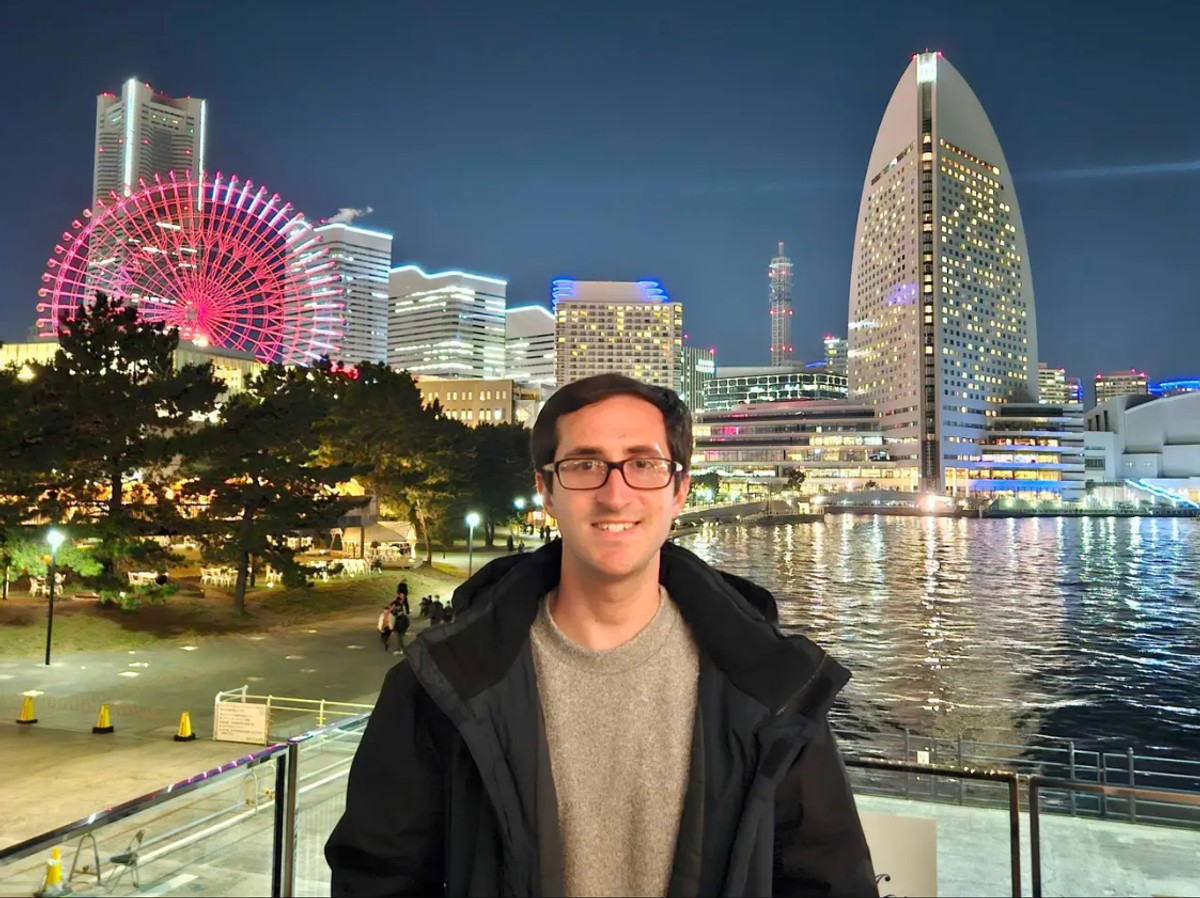
This year, I finally fulfilled my dream of traveling to Japan by spending a week in the country with two friends. About a month earlier, I bought a round-trip ticket from New York to Tokyo for PLN 1,000. hole.
I decided to go in early December – it's a month less popular among tourists, and we were hoping that we would still be able to see the end of the autumn color season.
It was a great trip – I was able to explore much of sprawling Tokyo, the Mount Fuji area, and easily accessible cities like Yokohama and Kamakura. I was constantly impressed by the architecture, historical and religious monuments, transport and food – and an additional advantage was the very favorable exchange rate for us.
Despite then I regret that There were six things I didn't do differently while on the trip – most of them had to do with money (yes, even economics reporters make financial mistakes).
Read also in BUSINESS INSIDER
I should have withdrawn cash at the airport
Friends who have traveled to Japan before they warned me that many businesses in Tokyo only accept cashso I planned to use the ATM at the convenience store after checking into the hotel.
However, I did not expect that I would need cash earlier.
The trip to the hotel required two transfers. At the airport, I bought a ticket for the Keikyu Airport Line train using a credit card.
However, when I had to transfer to the line to the hotel, I could not pay by card or buy a reloadable PASMO contactless card because the station only accepted cash.
I also couldn't top up my transit card on my Android phone, so I had to ask for help at a service desk to charge my credit card. It worked once, but at the next station the service point did not accept cards.
Instead of a comfortable ride to the hotel for about $5, I took my suitcase out of the station and went to the ATM.
At this point, however, my friend and I were so tired from the 14-hour flight that we took a $30 Uber. to the hotel.
In hindsight, I simply should have exchanged dollars for yen at the airport.
In trying to save money, I missed out on opportunities for unique local dishes and experiences
I was pleasantly surprised to find that most of the restaurants near my hotel, located in a quieter neighborhood north of the Imperial Palace, offered dishes costing less than $10.
After currency conversion, I paid between $5 and $15 for most meals.
But I got so used to the low prices resulting from the favorable exchange rate that anything more expensive seemed either a stretch or not worth the price.
At many restaurants, I have given up on the more expensive options – tonkatsu cutlet with better pork, more upscale cuts of sushi, wagyu beef – as they were too expensive, even though they would be priced in line with a regular dinner in New York.
Due to excessive frugality, I did not try fresh local specialties that I had dreamed about for years. This also applied to attractions.
I really wanted to take the scenic, direct train route to Fujikawaguchiko, one of the most popular places to view Mount Fuji. Instead, I took a cheaper bus that only saw a few small towns.
I also missed the Studio Ghibli Museum and the Yayoi Kusama Museum. Admission tickets would have cost me less than $15, but I chose to walk around the city for free instead.
See also: I made a list of 20 places in the world where I could retire. One met all the criteria
While I ultimately felt satisfied with saving a few dollars on things that weren't absolutely necessary, I felt like I was overly cautious and in some ways blinded by the pursuit of low prices.
This same attitude — and my poor packing skills — also stopped me from making larger purchases
I made a typical mistake of a beginner traveler: I packed too much and didn't leave enough room for clothes or larger souvenirs, taking only a backpack and hand luggage.
Since I had almost no free space, the priority was gifts for relatives and friends – mainly postcards and small gifts.
Even though I bought two T-shirts and a few clothing items from Uniqlo (much cheaper than in the US), I regret not getting more out of shopping in Japan.
The exchange rate was favorable and many stores offered tax-free shopping. It still annoys me that I didn't buy a unique, locally made T-shirt from the Mount Fuji area that cost only $15.
On the way back, I barely got my suitcase ready and had to ask a friend to stuff some of my purchases into his bag.
Looking back, I wish I had packed half the clothes and done the laundry halfway through the trip. I would have much more space for new purchases.
I also regret that I didn't choose to explore more of Japan
I decided to spend the entire trip in Tokyo, figuring that visiting several cities for two or three days each would be too overwhelming.
It would be great to see Osaka or Kyoto, two cities my friends have been telling me to visit. However, I plan to return to Japan in the next few years, so I consider this more of a note for the future.
At least I'm glad I was able to visit the outskirts of Tokyo and Mount Fuji, which satisfied my need to get away from the urban center.
My bigger regret was that I didn't diversify where to stay in Tokyo
We stayed in the Iidabashi district of Chiyoda County, north of the Imperial Palace, and then moved to a hotel in Akasaka, further west.
It was good to get familiar with one or two areas, but I would have liked to have felt more like a local, staying in several different parts of the city instead of just passing through.
I knew Tokyo was huge, but I didn't expect there would be so much to do in each district. For example, I would love to stay closer to Shinjuku or on the east side of the city.
I also regret not staying in more diverse facilities
I spent the first seven nights in an apartment hotel and the last night in a much nicer, traditional hotel.
In hindsight, I think it was worth it to afford an even better hotel with more amenities, such as a sauna or gym, or even rent a house outside the city for more variety.
Another good experience could be staying in a capsule hotel, a popular type of accommodation in Japan.
I should have prepared better for cultural differences
I expected cultural differences in Japan, but a few of them really surprised me. I definitely didn't follow the rules of politeness at times.
For example, in some public spaces such as trains, telephone calls and loud conversations are frowned upon. On several rides, I would start conversations with friends and then silence myself.
I also learned the hard way that eating and drinking in public places is sometimes considered impolite. At one point I got a few dirty looks for eating ice cream on the subway platform.
Even though I knew Tokyo's reputation as an extremely clean city, I didn't expect it to be so sterile.
I rarely saw trash cans on the streets, so I often carried containers or bottles with me for over an hour before throwing them away at a convenience store or hotel. Next time I would take a small garbage bag in my backpack.
I was also surprised by how many restaurants I visited did not offer table service or more interaction between customers and staff.
I often ordered food through screens or ticket machines, and the only contact with employees was limited to “thank you” or asking for a second helping.
This level of silence was downright deafening at times. I wish I had been better prepared for this, including by learning basic Japanese phrases in advance.
The above text is a translation from American edition of Business Insider